
Generator for Pool Pump: What to Know
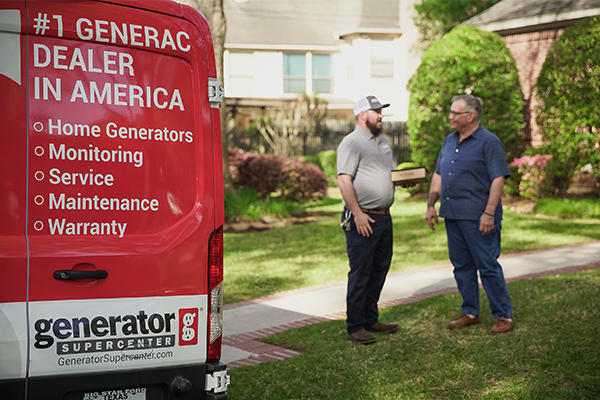
A generator can keep your pool pump running during an outage, but it must be properly sized and installed to handle the pump’s power requirements. The right setup depends on factors such as the pump’s horsepower, voltage, startup demand, runtime needs, and what other appliances you want to power at the same time. Many standard […]
How To Work from Home During a Power Outage

To work from home during a power outage, you need a plan for internet, device charging, lighting, cooling, file access, and backup power. A standby generator can help support your home office and other essential systems when properly sized, installed, and maintained. Power outages can interrupt video calls, deadlines, client work, and access to important […]
What Happens If a Generator Is Overloaded?
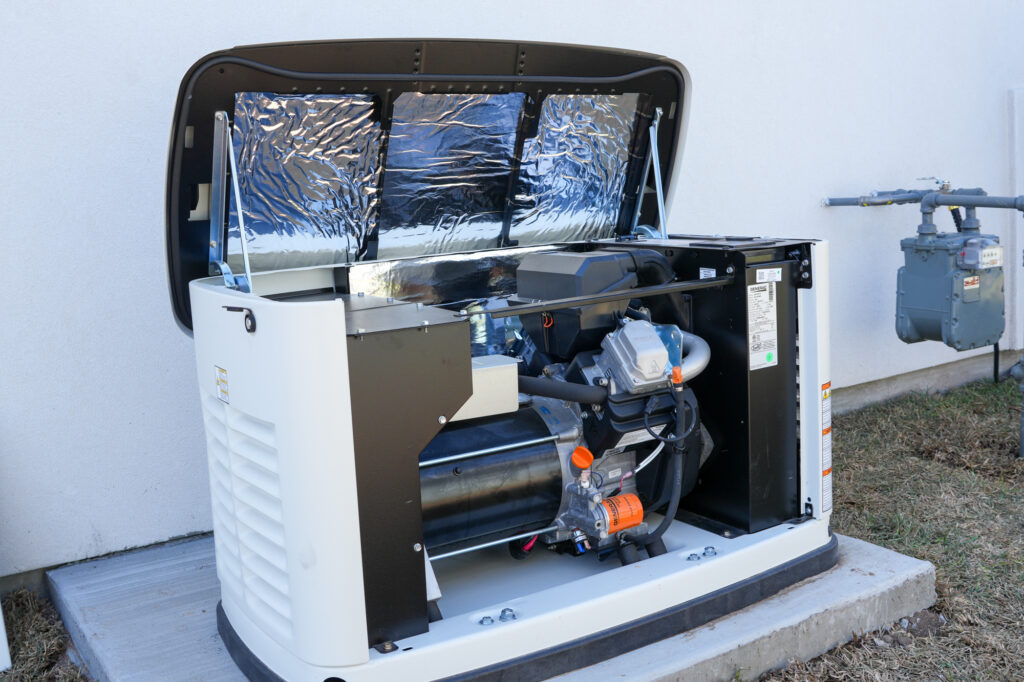
If a generator is overloaded, it may shut down, display an overload warning, trip a breaker, run roughly, or fail to support connected appliances. Overloading happens when the electrical demand placed on the generator is higher than what the system can safely provide. For a home standby generator, an overload should not be ignored. It […]
Generator for Medical Devices at Home: What to Consider
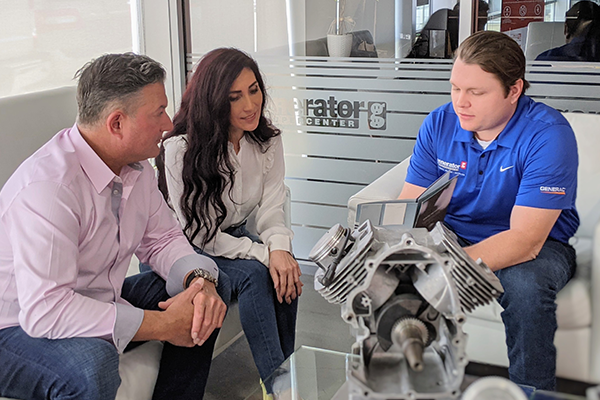
A generator can help support certain medical devices at home during a power outage, but it should not be treated as the only emergency plan for life-sustaining equipment. Before relying on any generator, check the medical device manual, speak with the device manufacturer or healthcare provider, and confirm the generator setup with a qualified professional. […]
Generator vs Battery Backup: Which Is Better for Homes?
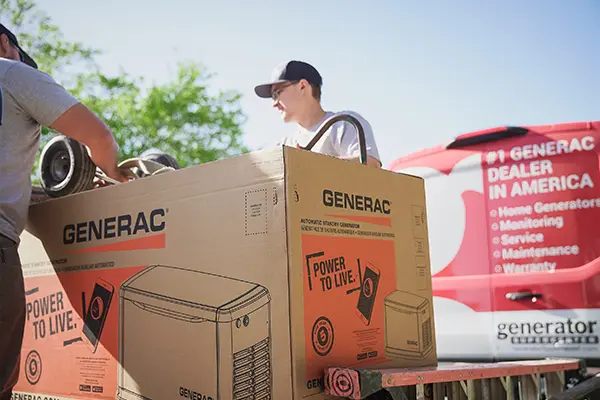
A generator is often better for homes that need longer backup power, whole-home coverage, or support for major appliances during extended outages. Battery backup may be better for homeowners who want quiet operation, stored energy, lower day-to-day maintenance, or backup power for select circuits. The better choice depends on your home’s power needs, outage concerns, […]
Can I Install My Own Home Standby Generator?
In most cases, installing your own home standby generator is not recommended. A standby generator installation involves electrical work, fuel connections, transfer switch setup, permits, inspections, and safety requirements that should be handled by qualified professionals. Some homeowners may be comfortable with simple home projects, but a standby generator is a permanent backup power system. […]
Generator Error Code During an Outage: What to Do
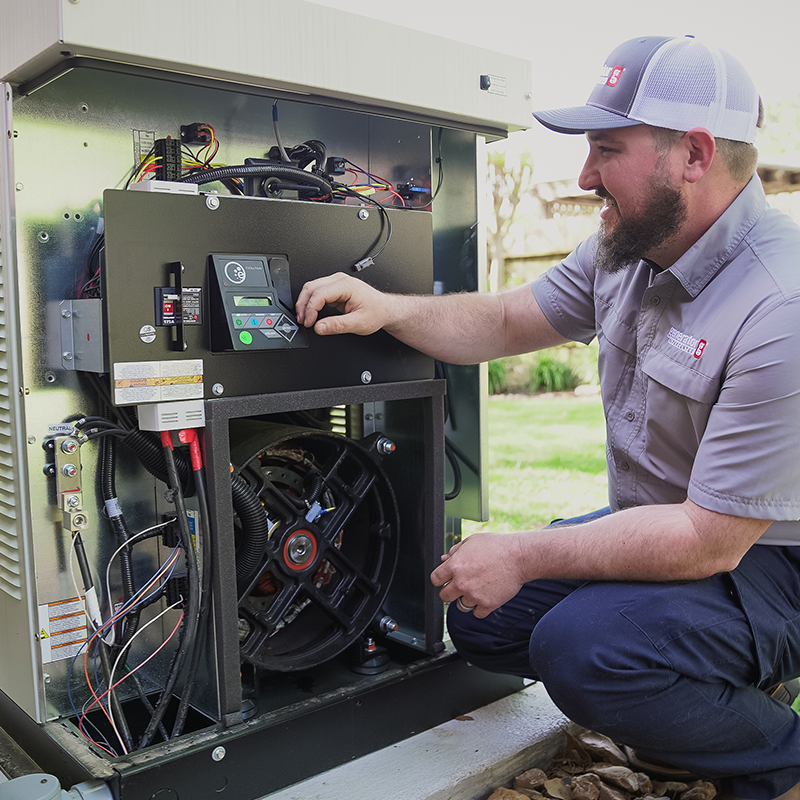
If your generator shows an error code during an outage, write down the code first, check for obvious safety concerns, and avoid repeatedly resetting the unit without knowing the cause. Some alerts may be simple, but others can point to fuel, oil, battery, overheating, sensor, or service-related issues. If the generator will not restart, the […]
Generator Auto Mode: What It Means

Generator Auto mode means your standby generator is set to respond automatically when utility power goes out. If the generator is not in Auto mode, it may not start during an outage, even if the system is otherwise working. For homeowners who rely on backup power, Auto mode is one of the most important settings […]
Natural Gas Line Requirements for Standby Generators
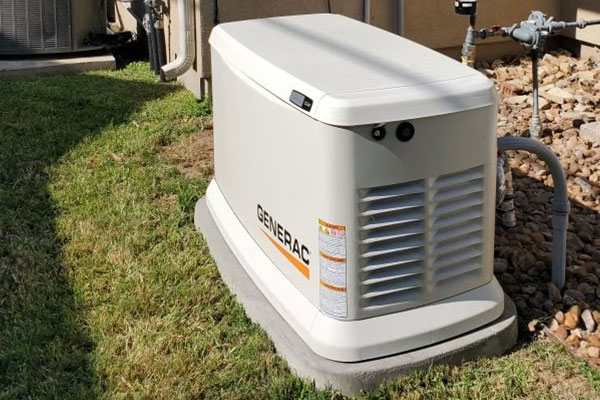
Natural gas line requirements for standby generators depend on the generator size, fuel demand, gas pressure, pipe length, pipe material, other gas appliances, and local code requirements. A standby generator should never be connected to a gas line by guesswork because undersized or improper fuel supply can affect performance and safety. Before installation, a qualified […]
Generac Load Shed Module: What Does It Do?
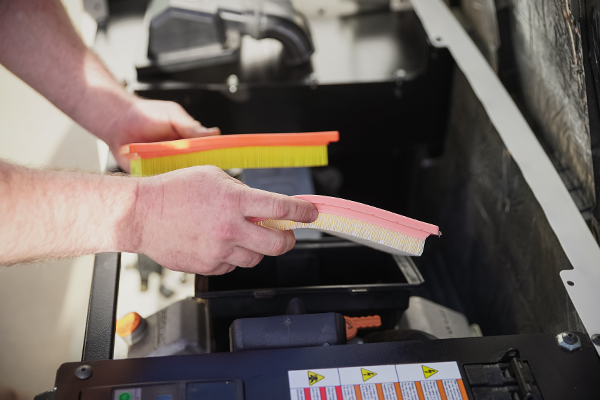
A Generac load shed module helps your standby generator manage large appliances during a power outage. This matters because a generator can only handle a certain amount of electrical demand at one time. If too many high-power appliances start together, the generator may overload, trip, or fail to provide power properly. A load shed module […]