A generator is often better for homes that need longer backup power, whole-home coverage, or support for major appliances during extended outages. Battery backup may be better for homeowners who want quiet operation, stored energy, lower day-to-day maintenance, or backup power for select circuits.
The better choice depends on your home’s power needs, outage concerns, budget, fuel access, solar setup, and whether you want essential backup or whole-home comfort.
What Is a Home Standby Generator?
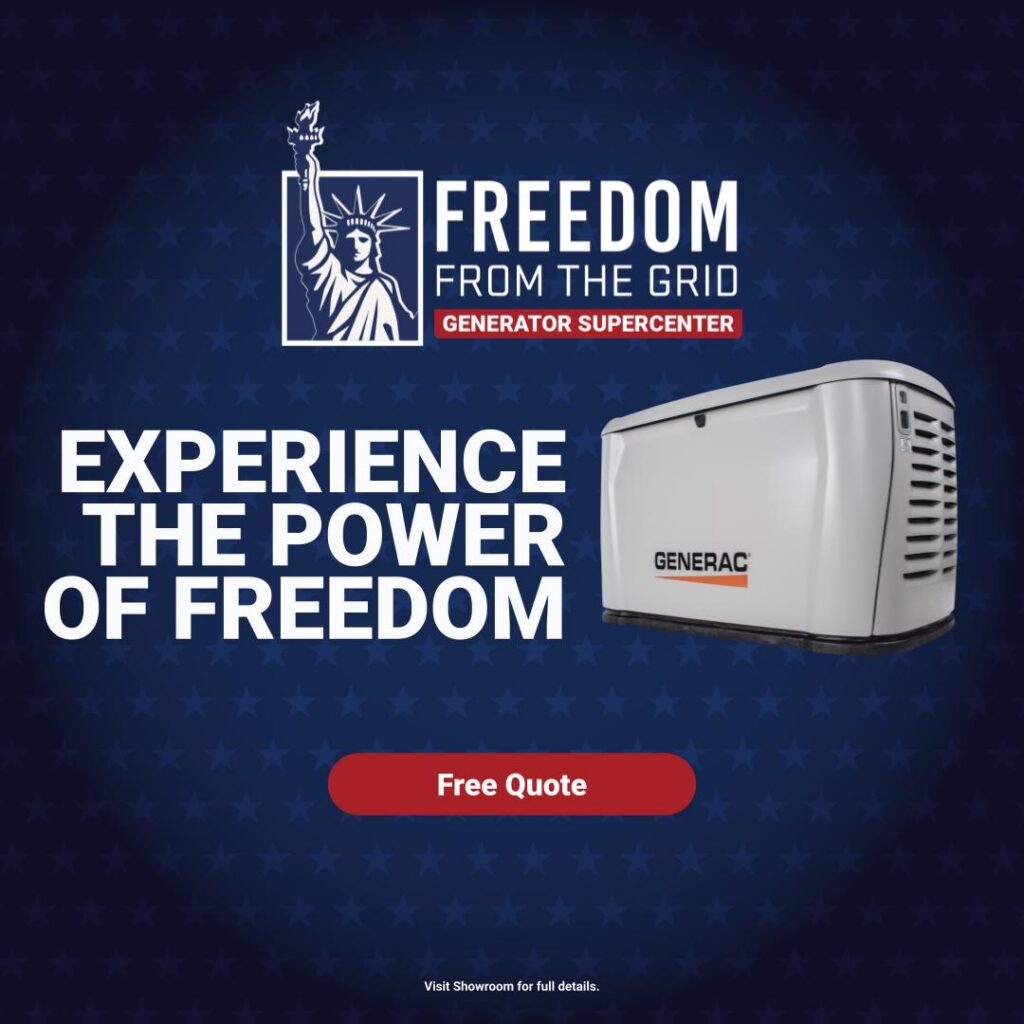
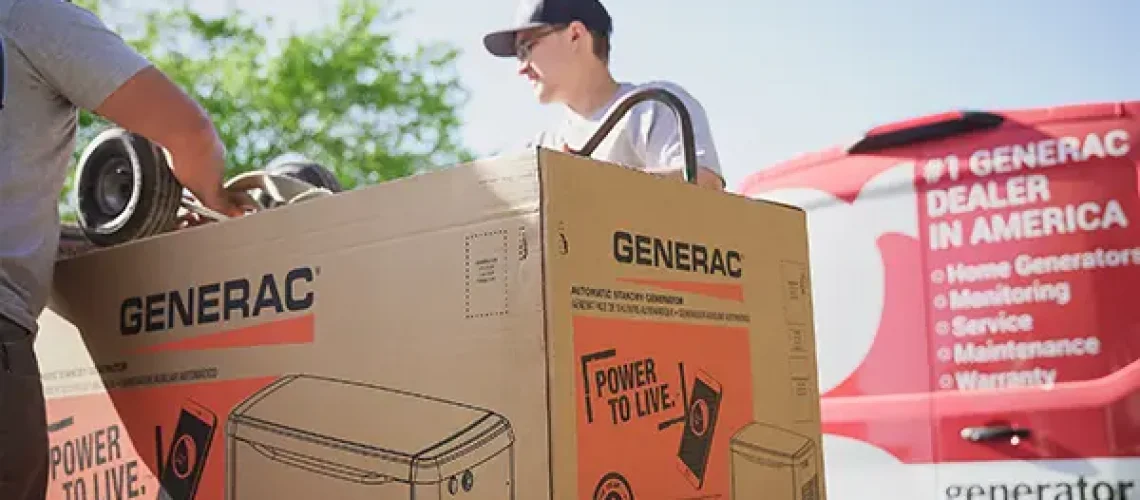
A home standby generator is a permanently installed outdoor system that turns on automatically when utility power goes out. It is usually connected to a transfer switch and runs on natural gas or propane, depending on the home and generator model.
Generac explains that a home standby generator is installed outside the home and can run on natural gas or liquid propane. This makes it different from portable generators that must be moved, fueled, and connected manually.
If you want a simple overview, this guide on what is a home standby generator explains how standby systems work for homeowners.
What Is a Battery Backup?
A battery backup system stores electricity for later use. During an outage, it can power selected circuits or, with a larger system, more of the home.
Some battery systems are paired with solar panels, which may allow the battery to recharge when sunlight is available. The U.S. Department of Energy explains that energy storage helps release solar energy when it is needed, including when the sun is not shining.
Battery backup can be useful for lights, internet, refrigerators, outlets, and selected appliances. However, the amount of power it can provide depends on the battery capacity, inverter size, home loads, and whether solar is available for recharging.
Which Is Better for Long Outages?
For longer outages, a standby generator is often the stronger option because it can keep running as long as it has a proper fuel supply and the system is operating safely.
This can matter during hurricanes, tropical storms, or extended utility outages when homeowners may need air conditioning, refrigeration, lighting, internet, and other essential systems for more than a few hours.
Battery backup can work well for shorter outages or selected loads. However, once stored energy is used, the battery must be recharged. EnergySage notes that pairing solar with storage can help extend backup power, but performance still depends on sunlight, system size, and household energy use.
Which Is Better for Whole-Home Power?
A standby generator is usually the more practical option for whole-home backup, especially for homes with high electrical demand.
Large appliances and systems may include:
- Central air conditioning
- Refrigerators and freezers
- Lighting
- Wi-Fi and home office equipment
- Medical equipment
- Security systems
- Garage doors
- Sump pumps
- Pool equipment
- Kitchen appliances
Battery backup can also support a home, but powering large loads for long periods may require a larger and more expensive battery setup. Some homeowners use battery backup only for essential circuits instead of the full house.
If you are trying to estimate power needs, this generator sizing guide can help explain why load planning matters.
Which Is Quieter?
Battery backup is usually quieter because it does not run an engine. This can be appealing for homeowners who want silent or near-silent backup power.
Standby generators do make sound while operating, although sound levels vary by model, load, placement, and surrounding conditions. If noise is a concern, this guide on which generators are the quietest explains what can affect generator sound.
Which Needs More Maintenance?
Standby generators usually need more routine maintenance than battery backup systems. Maintenance may include oil changes, filter replacement, battery checks, inspections, and periodic service.
Battery systems generally have fewer moving parts, but they still need proper installation, monitoring, software updates, and occasional professional review. Battery performance can also change over time.
For homeowners considering a standby system, regular generator maintenance helps keep the generator ready before an outage happens.
Which Costs More?
Costs can vary widely for both options. A standby generator may involve equipment, transfer switch, installation, permits, fuel connection, electrical work, and long-term maintenance.
A battery backup system may involve battery units, inverter equipment, electrical work, panel changes, solar integration, and system design. A larger battery system for whole-home backup can cost more than a smaller essential-load setup.
For generator-specific planning, this guide on whole house generator installation cost explains what can affect pricing for standby generator projects.
Fuel vs Stored Energy
One of the biggest differences is how each system gets power.
A standby generator uses fuel, usually natural gas or propane. This can support longer runtime, but it also requires proper fuel supply, safe installation, and ongoing maintenance.
A battery backup uses stored electricity. It does not need fuel during an outage, but it has a limited amount of stored energy unless it can recharge from solar or another source.
If you are comparing fuel options, this article on gas vs propane generators explains common differences for standby generator systems.
Can You Use Both?
Yes, some homes may benefit from both a generator and battery backup. For example, a battery may support short outages or selected circuits, while a generator may support longer outages and heavier loads.
This type of setup should be designed carefully. A professional should review the electrical panel, transfer equipment, generator capacity, battery system, solar system if present, and local code requirements.
Generator vs Battery Backup: Quick Comparison
Choose a Standby Generator If You Want:
- Longer backup power
- Whole-home coverage
- Support for air conditioning
- Automatic startup during outages
- Fuel-based runtime
- Backup for larger homes or heavier loads
Choose Battery Backup If You Want:
- Quiet operation
- Stored energy for selected circuits
- Lower routine maintenance
- Solar pairing options
- Backup for shorter outages
- No fuel use during operation
When to Call a Professional

You should call a professional before deciding between a generator and battery backup system. Both options require careful planning, especially if you want automatic backup power or whole-home support.
Professional help is especially important if:
- You want to power air conditioning
- You have a large home
- You want whole-home backup
- You have solar panels
- You are considering battery storage
- You need a transfer switch or panel review
- You are unsure about fuel access
- You want backup power during hurricane season
For standby generator planning, professional standby generator installation can help confirm the right equipment, placement, fuel setup, and electrical requirements.
Final Thoughts
In the generator vs battery backup decision, the better option depends on what you need during an outage. A standby generator is often better for longer outages, larger homes, and whole-home power. Battery backup may be better for quiet operation, shorter outages, solar pairing, and selected essential circuits.
If your priority is dependable backup power for major home systems, a standby generator may be the stronger fit. For help comparing your options, contact Generator Supercenter of Broward for professional guidance.
FAQs
Is a generator better than battery backup?
A generator is usually better for longer outages and larger loads. Battery backup may be better for quiet operation, short outages, and selected essential circuits.
Can a battery backup power a whole house?
It can, but the system must be sized for the home’s loads and desired runtime. Many homes need multiple batteries for whole-home backup.
Can a standby generator run longer than a battery?
Often, yes. A standby generator can run as long as it has a safe and available fuel supply. A battery is limited by stored energy unless it can recharge.
Is battery backup quieter than a generator?
Yes. Battery backup is usually much quieter because it does not use an engine.
Can I have both a generator and battery backup?
Yes. Some homes use both, but the system should be professionally designed so the generator, battery, solar, panel, and transfer equipment work safely together.