
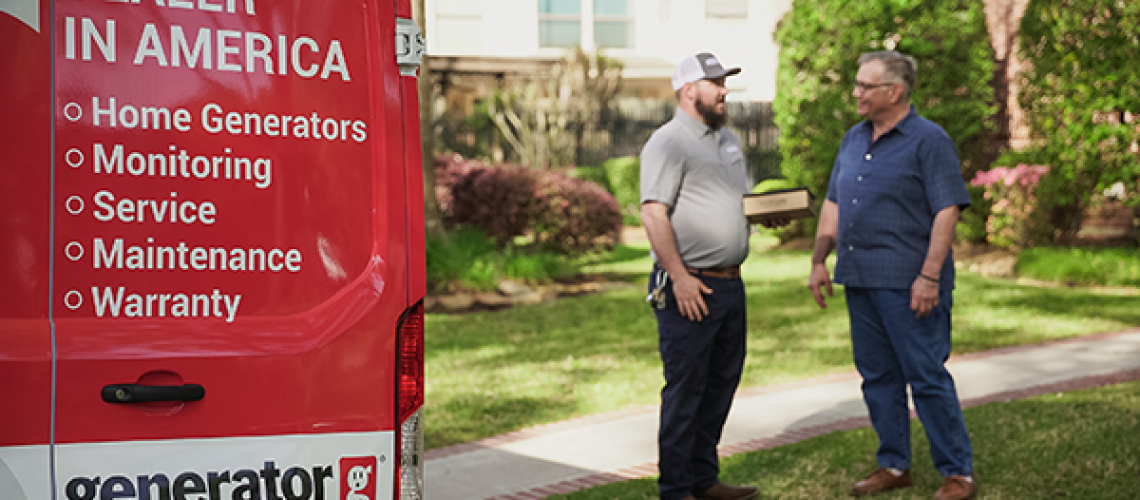
In most cases, installing your own home standby generator is not recommended. A standby generator installation involves electrical work, fuel connections, transfer switch setup, permits, inspections, and safety requirements that should be handled by qualified professionals.
Some homeowners may be comfortable with simple home projects, but a standby generator is a permanent backup power system. If it is installed incorrectly, it can create serious safety, performance, warranty, and code-related problems.
Why DIY Installation Is Risky
A home standby generator connects to your home’s electrical system and fuel source. It also needs to work with a transfer switch so generator power and utility power are managed safely.
Generac’s guidance on installing your own home standby generator explains that installation is complex and includes electrical work, fuel connections, permits, and code compliance. It also notes that a local dealer can assess the home’s needs and safely install the automatic transfer switch.
This is why most homeowners should not treat standby generator installation as a do-it-yourself project.
What Makes Standby Generator Installation Different?
A portable generator can be moved, fueled, and connected to selected equipment with proper safety steps. A standby generator is different because it is permanently installed outside the home.
A standby generator usually involves:
- Generator placement
- Concrete pad or approved base
- Fuel line connection
- Electrical connection
- Transfer switch installation
- Load calculation
- Permit review
- Local inspection
- Startup testing
- Homeowner walkthrough
If you are still comparing generator types, this guide on types of home generators explains the difference between portable, inverter, and standby systems.
Electrical Work Needs Professional Review
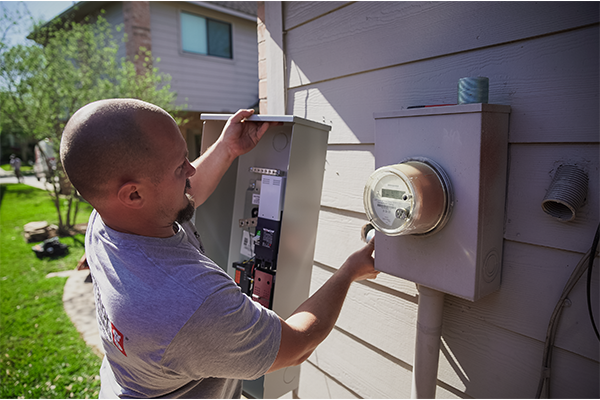
A standby generator must connect safely to your electrical panel and transfer switch. This is not the same as plugging in a small appliance.
Electrical mistakes can create risks such as shock, fire, equipment damage, unsafe backfeeding, or failed outage performance.
The transfer switch is especially important because it separates utility power from generator power. This guide on generators and transfer switches explains why this component is essential in a standby generator setup.
Fuel Connections Are Not DIY Work
Most home standby generators run on natural gas or propane. Fuel connections should be handled by a qualified professional because fuel line sizing, pressure, pipe routing, regulators, and shutoff valves matter.
An undersized or improper fuel connection may cause startup failure, shutdowns, rough running, or safety concerns. Fuel work may also require permits and inspection depending on the municipality and project scope.
If you are comparing fuel options, this guide on what a Generac generator runs on explains common standby generator fuel types.
Permits and Inspections May Be Required
Standby generator installation often requires permits and inspections, but requirements may vary by municipality, property layout, utility provider, fuel type, and installation scope.
Permits may involve:
- Electrical work
- Gas or propane connection
- Generator placement
- Pad installation
- Transfer switch installation
- Setbacks and clearance
- Final inspection
A professional installer can help confirm what applies to your home and local authority having jurisdiction.
Placement and Clearance Must Be Correct
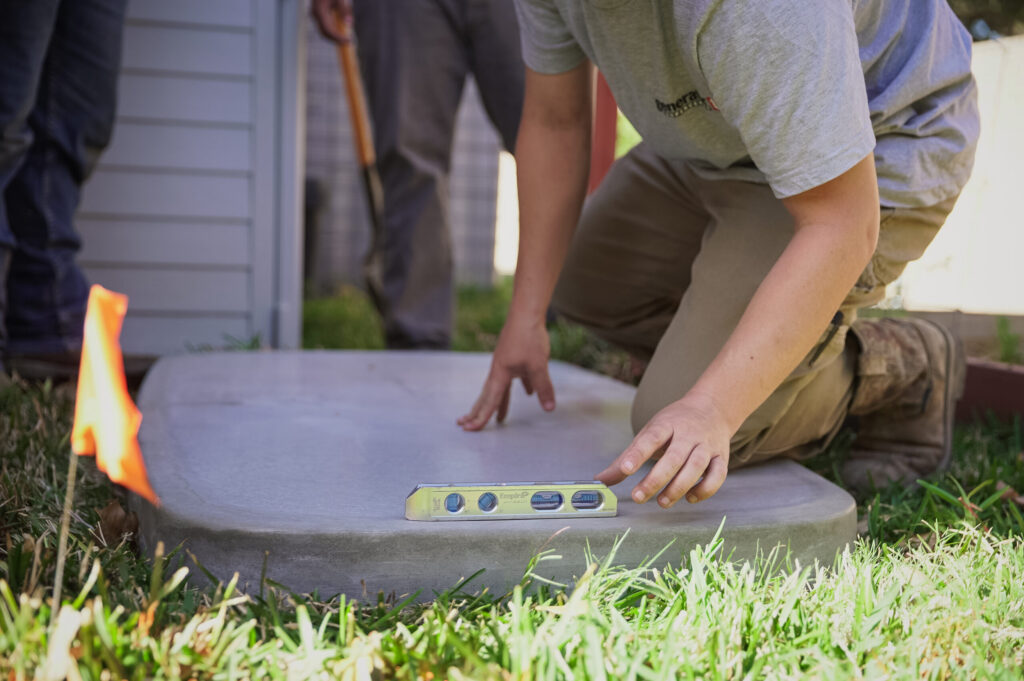
A standby generator must be installed outdoors with proper clearance for airflow, exhaust, service access, and safe operation. It should not be placed too close to windows, doors, vents, fences, walls, or areas where water collects.
Generac’s home standby generator clearance guidance explains that clearance from openings, walls, and space above the generator can matter during installation. Exact requirements can vary by model and installation conditions.
For a homeowner-friendly overview, this article on where to place a generator explains common placement factors.
Sizing Is More Than Guessing the Home Size
Choosing a standby generator is not only about square footage. The installer needs to review the home’s electrical loads, major appliances, air conditioning, fuel supply, and backup priorities.
A generator that is too small may overload or fail to support the systems you expect. A generator that is larger than needed may cost more than necessary.
This generator sizing guide explains why load planning matters before choosing a system.
Could DIY Installation Affect Warranty or Service?
Warranty and service requirements can vary by generator model, manufacturer terms, and installation details. However, improper installation may create problems if the system later needs warranty review or service support.
A professional installation helps document that the generator, transfer switch, fuel connection, and electrical setup were handled correctly.
If you are unsure what your warranty requires, check the manufacturer documents or ask an authorized service provider before making installation decisions.
What Can Homeowners Do Themselves?
Even though installation should be handled by professionals, homeowners can still prepare for the project.
You can:
- Decide which systems you want backed up
- Check where your electrical panel is located
- Identify your fuel source
- Think about preferred generator placement
- Clear access around the installation area
- Ask about permits and timeline
- Review maintenance needs
- Keep generator documents in one place
A site review can help turn these details into a safe installation plan.
When to Call a Professional
You should call a professional before buying or installing a home standby generator. A professional can review your home’s load needs, fuel supply, placement options, transfer switch requirements, and permitting needs.
Professional help is especially important if:
- You want automatic backup power
- You want whole-home coverage
- You have central air conditioning
- You use natural gas or propane
- You have limited outdoor space
- Your electrical panel is older
- Your home has multiple panels
- Local permits or inspections are required
- You are unsure what size generator you need
For installation planning, professional standby generator installation can help make sure the system is designed for your home.
Final Thoughts
Installing your own home standby generator is usually not a good idea. The project involves electrical work, fuel connections, transfer switch setup, placement rules, permits, inspections, and safety requirements that are best handled by qualified professionals.
A properly installed standby generator can give your home dependable backup power during outages. For help choosing and installing the right system, contact Generator Supercenter of Broward for professional guidance.
FAQs
Do I need a permit to install a standby generator?
Often, yes, but requirements may vary by municipality and project scope. A qualified installer can confirm what applies to your home.
Can I connect a standby generator to my gas line myself?
No, fuel connections should be handled by a qualified professional. Gas line sizing, pressure, routing, and safety requirements must be reviewed.
Why does a standby generator need a transfer switch?
A transfer switch safely manages power between the utility and the generator. It helps prevent unsafe backfeeding and protects the electrical system.
What should I do before calling a generator installer?
Think about what you want powered, identify your fuel source, review possible placement areas, and note where your electrical panel is located.