
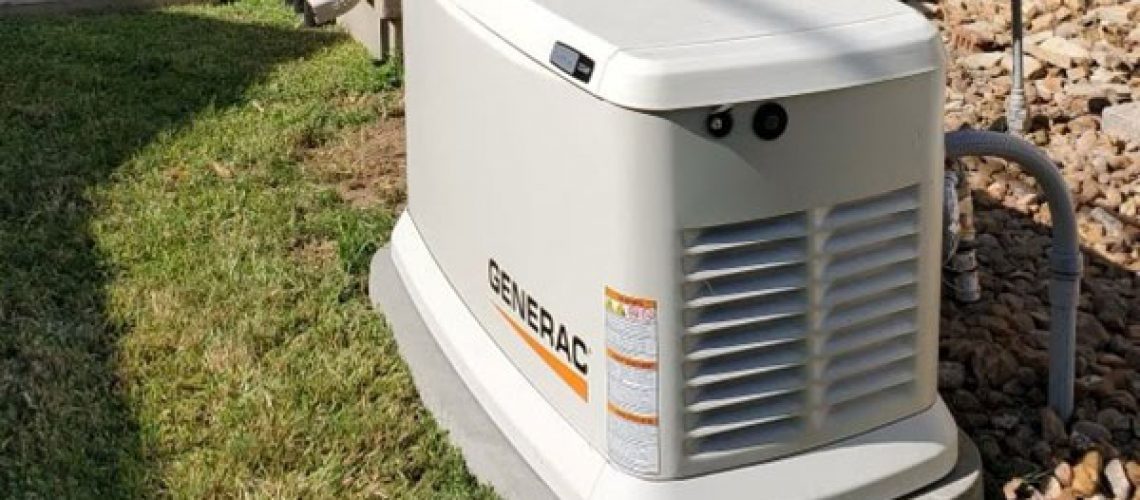
Natural gas line requirements for standby generators depend on the generator size, fuel demand, gas pressure, pipe length, pipe material, other gas appliances, and local code requirements. A standby generator should never be connected to a gas line by guesswork because undersized or improper fuel supply can affect performance and safety.
Before installation, a qualified professional should confirm whether the existing gas line can support the generator or whether upgrades are needed. Requirements may vary by municipality, utility provider, generator model, and home setup.
Why the Gas Line Matters
A standby generator needs a steady fuel supply to start and run during an outage. If the natural gas line is too small, too long, restricted, or not designed for the generator’s demand, the unit may struggle to start, run poorly, or shut down under load.
Fuel supply issues can also lead to repeated service problems. If your generator already has startup or shutdown issues, this guide on why a generator keeps shutting off explains several possible causes.
What Affects Gas Line Requirements?
Gas line requirements are based on more than the generator size alone. A professional will usually consider several details before recommending a setup.
These may include:
- Generator kilowatt size
- Fuel consumption rate
- Natural gas pressure
- Distance from the gas meter
- Pipe diameter
- Pipe material
- Number of elbows and fittings
- Other gas appliances in the home
- Local utility requirements
- Local code and inspection rules
The International Code Council’s International Fuel Gas Code states that gas piping is sized using the total connected hourly load, assuming connected appliances may operate at full capacity. Local code adoption and enforcement can vary, so the final sizing should be confirmed by a qualified professional.
Generator Size and Fuel Demand
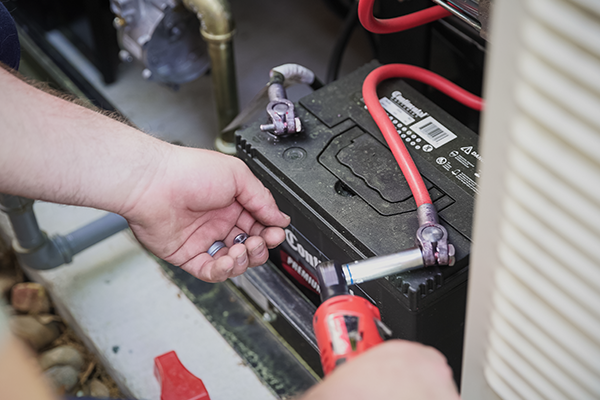
Larger standby generators usually need more fuel than smaller units. A generator for a large home, multiple air conditioning systems, or whole-home backup may require more natural gas volume than a smaller essential-load generator.
This does not mean every large generator needs the same gas line. Fuel demand depends on the model, load, fuel type, and installation setup.
If you are still choosing the right generator size, this generator sizing guide can help explain why load planning matters before installation.
Gas Pressure Requirements
Natural gas standby generators are designed to operate within a certain fuel pressure range. Generac notes in its fuel pressure guidance for air-cooled home standby generators that requirements vary by model and fuel type. For many Generac air-cooled home standby generators, natural gas pressure is listed at 3.5 to 7 inches of water column, but the specific generator manual should always be checked.
This is why the generator manual and manufacturer specifications should be reviewed before installation. A qualified installer or gas professional can confirm the required pressure for the specific unit being installed.
Pipe Size and Pipe Length
The size of the gas pipe and the distance from the gas meter both affect fuel delivery. A longer pipe run may require a larger pipe size because pressure can drop over distance.
Fittings, elbows, regulators, and other appliances can also affect the final sizing. A line that works for a stove or water heater may not be large enough for a standby generator.
Do not assume the existing gas line can support the generator just because natural gas is already available at the home.
Other Gas Appliances Matter
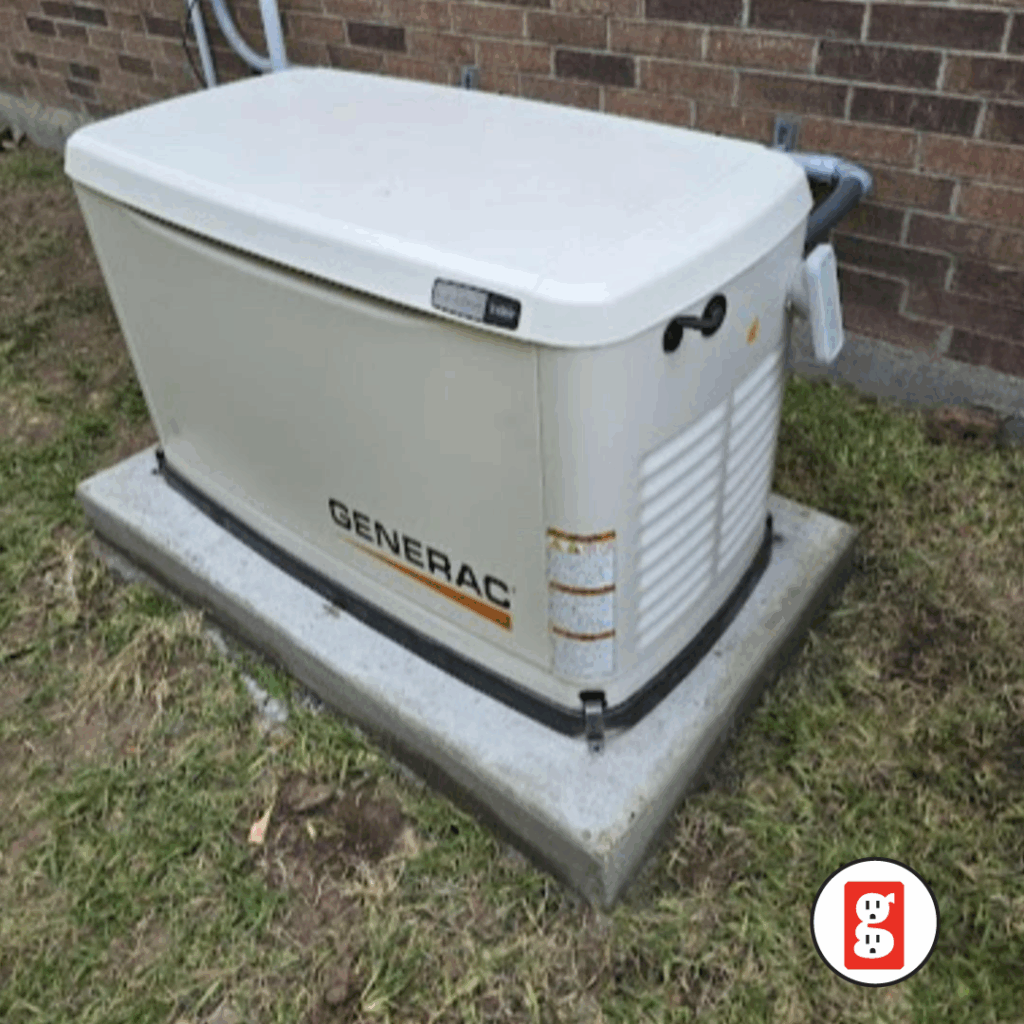
Many homes have several natural gas appliances. These may include:
- Water heaters
- Furnaces
- Gas ranges
- Pool heaters
- Outdoor grills
- Fireplaces
- Clothes dryers
- Standby generators
When a generator is added, the total gas demand may increase significantly. The gas meter, pipe sizing, and pressure must be reviewed to make sure the system can support the connected load.
If you are comparing generator fuel options, this guide on gas vs propane generators explains the differences homeowners should consider.
Gas Meter Capacity
In some installations, the existing gas meter may not be large enough to support the generator plus the home’s other gas appliances. The gas utility or qualified professional may need to review meter capacity before installation.
If the meter cannot support the added load, the utility provider may need to be contacted about possible upgrades. This process can vary by provider and location.
Permits and Inspections
Natural gas line work often requires proper permitting, code compliance, and inspection, but the exact process can vary by municipality and project scope.
Depending on the project, the installation may involve a licensed gas contractor, plumber, electrician, generator installer, local building department, and utility provider.
Professional standby generator installation helps coordinate generator placement, gas line planning, electrical work, and permitting requirements.
Generator Placement and Gas Line Routing
The location of the generator affects the gas line route. A generator placed far from the gas meter may require a longer run, which can affect pipe sizing and installation cost.
Placement also needs to account for airflow, exhaust, service access, property lines, windows, doors, vents, and local requirements.
If you are still deciding where the unit should go, this guide on where to place a generator explains the main placement factors.
Natural Gas vs Propane
Many standby generators can run on either natural gas or liquid propane, depending on the model and fuel setup. Natural gas is convenient for homes with existing service, while propane may be used when natural gas is not available.
Generator Supercenter of Broward’s guide on what a Generac generator runs on explains common fuel types for home standby generators.
The best fuel choice depends on availability, installation requirements, runtime expectations, and property conditions.
Signs of a Gas Supply Problem
A generator may show signs of fuel supply trouble before or during an outage.
Possible warning signs include:
- Generator cranks but does not start
- Generator starts then shuts off
- Rough running
- Low fuel pressure alerts
- Overload or shutdown issues
- Failed exercise cycle
- Performance changes when other gas appliances run
These symptoms can have several causes, so diagnosis should be handled carefully. Do not attempt to adjust gas pressure or modify gas piping yourself.
When to Call a Professional

You should call a professional before installing a standby generator that will run on natural gas. Gas line sizing, pressure, permits, and code requirements should be reviewed before the generator is connected.
Professional help is especially important if:
- Your home has multiple gas appliances
- The generator will be far from the gas meter
- You are installing a larger standby generator
- The existing gas line is old or unknown
- The generator is showing fuel-related faults
- You are unsure whether the gas meter can support the load
- Local permits or inspections are required
For installation planning or fuel-related generator concerns, schedule standby generator service with Generator Supercenter of Broward.
Final Thoughts
Natural gas line requirements for standby generators depend on fuel demand, pressure, pipe sizing, meter capacity, generator location, and local code requirements. The safest approach is to have the gas system reviewed before installation begins.
A properly sized natural gas line helps your standby generator start, run, and support your home during an outage. For help planning a natural gas standby generator installation, contact Generator Supercenter of Broward for professional guidance.
FAQs
Can I use my existing natural gas line for a standby generator?
Possibly, but it must be checked first. The line may need to be resized or upgraded depending on the generator’s fuel demand, pipe length, pressure, and other gas appliances.
What happens if the gas line is too small?
An undersized gas line can cause hard starting, rough running, shutdowns, or poor performance under load. A professional should confirm the correct sizing before installation.
Does a natural gas generator need a permit?
In many areas, standby generator installation and gas line work require permits and inspections. Requirements may vary by municipality, so check with a qualified installer or local building department.
Who sizes the gas line for a standby generator?
Gas line sizing is usually handled by a qualified professional, such as a licensed gas contractor, plumber, or generator installer familiar with local code and manufacturer requirements.
Is natural gas better than propane for a standby generator?
Natural gas is convenient where utility service is available, while propane can work well for homes without natural gas. The best choice depends on your property, fuel access, and generator needs.