
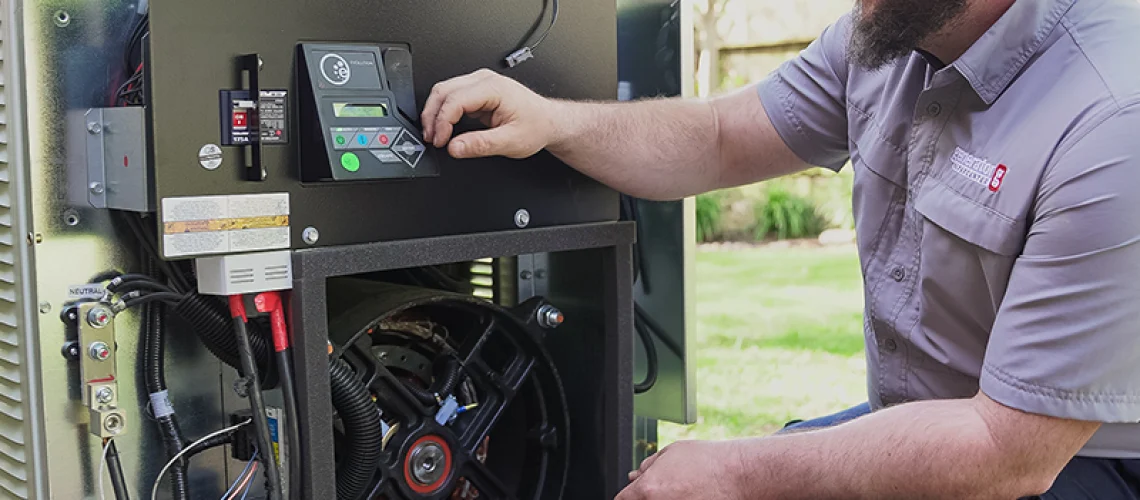
If your generator shows an error code during an outage, write down the code first, check for obvious safety concerns, and avoid repeatedly resetting the unit without knowing the cause. Some alerts may be simple, but others can point to fuel, oil, battery, overheating, sensor, or service-related issues.
If the generator will not restart, the error returns, or the unit was exposed to flooding, storm damage, or unsafe conditions, schedule professional service before relying on it again.
What an Error Code Means
A generator error code is a warning from the control panel. It helps identify why the generator stopped, failed to start, or needs attention.
Error codes may appear during an outage if the generator detects an issue while starting, running, transferring power, or shutting down.
Common causes can include:
- Low oil pressure
- Overcrank
- Overheating
- Weak battery
- Charger issues
- Fuel supply problems
- Sensor faults
- Blocked airflow
- Maintenance alerts
- Transfer switch communication issues
Not every code means the same thing, and exact meanings can vary by generator brand, model, and controller.
Write Down the Code First
Before clearing anything, write down the full error code and any message shown on the control panel. You can also take a photo of the screen.
This helps if you need to call for service later. A technician can often use the code to narrow down the issue faster.
If the generator has a colored status light, this guide on generator status lights can help explain what green, yellow, and red indicators may mean.
Check for Safety Issues
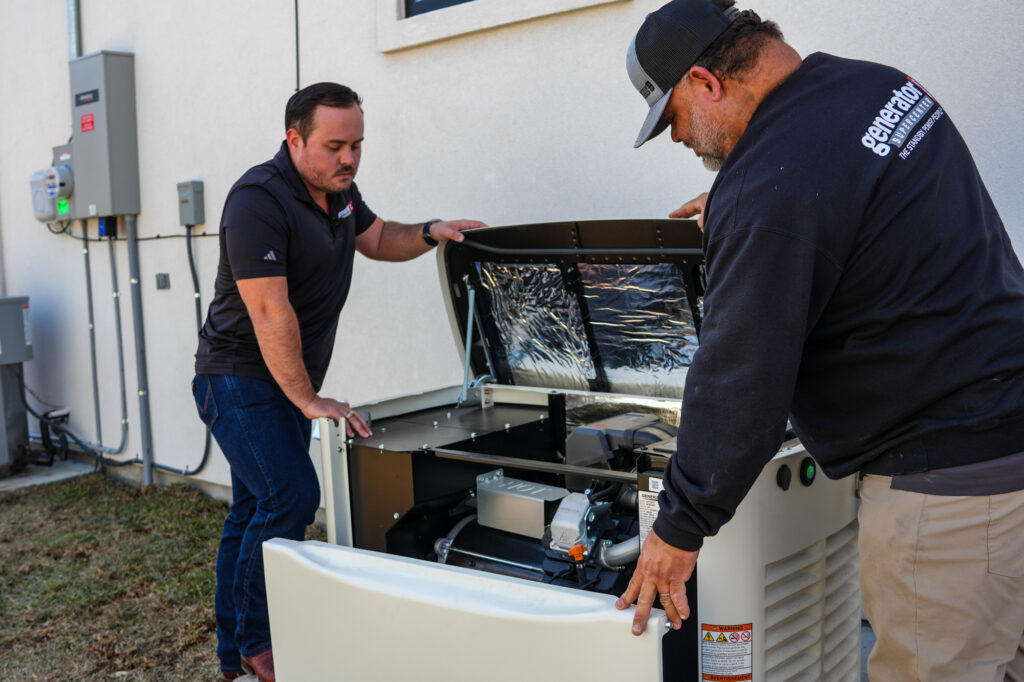
Before touching the generator or control panel, make sure the area is safe.
Do not approach or reset the generator if:
- There is standing water around the unit
- The generator was flooded
- You smell gas
- There are sparks, smoke, or burn marks
- Wires or panels look damaged
- Storm debris is blocking the unit
- The generator sounds unsafe or unusual
- You are unsure what the warning means
After a hurricane or heavy storm, safety should come first. This article on generator maintenance after a hurricane explains what to check before restarting a unit after severe weather.
Check the Owner’s Manual
The owner’s manual is the best place to confirm what a specific code means for your generator model. The same general issue may appear differently depending on the controller or product series.
Generac’s support article on generator error codes during an outage explains that if a generator will not restart after clearing the error, or if the fault immediately returns, homeowners should refer to the specific error-code article or contact a qualified professional.
This is why it is better to avoid guessing. A code may look minor, but the actual cause could require service.
Can You Reset the Error Code?
Some generator error codes can be cleared from the control panel, depending on the model and the issue. However, clearing a code does not fix the underlying problem.
A reset may be reasonable only if:
- You understand what the code means
- The owner’s manual allows it
- The generator is dry and safe
- There is no visible damage
- The error does not return
- The unit runs normally afterward
If the same code comes back, do not keep resetting it. Repeated resets can delay proper diagnosis and may leave the home without backup power.
Common Error Code Situations
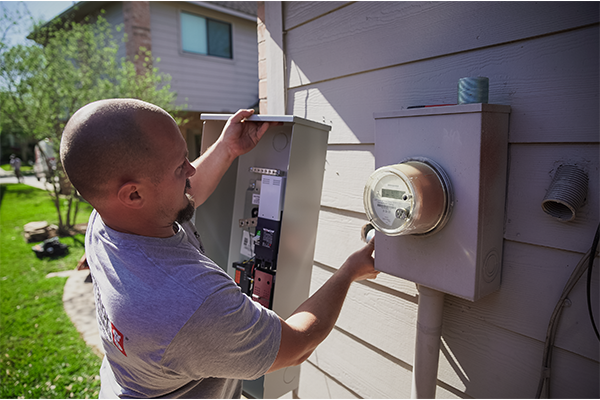
Exact codes vary by model, but many outage-related problems fall into a few common categories.
Overcrank or Failure to Start
Overcrank usually means the generator tried to start but could not begin running. Possible causes may include fuel supply issues, battery concerns, spark problems, or other startup faults.
If your unit turns over but will not start, this guide on a generator that cranks but won’t start explains several possible causes.
Low Oil or Oil Pressure Alerts
Some generators may shut down to protect the engine if oil pressure is too low. Generac’s support page for low oil pressure code 1300 explains that if the issue persists after checks and restart attempts, professional diagnosis is strongly recommended.
Do not keep running a generator with a low oil or oil-pressure warning. The system may be protecting the engine from damage.
Battery or Charger Alerts
A weak battery can prevent the generator from starting, especially during an outage. Charger issues may also cause the battery to lose charge while the generator is on standby.
If your generator has battery-related warnings, this article on generator battery problems explains common signs and what homeowners should watch for.
High Temperature or Airflow Issues
A generator may shut down if it gets too hot. This can happen if airflow is blocked by debris, landscaping, tarps, or storm materials.
Keep the generator clear and do not cover it while it runs. If the unit overheats or shuts down repeatedly, schedule service.
What to Check During an Outage
During an outage, only check items that are safe and simple. Avoid opening electrical compartments, adjusting gas components, or taking apart the generator.
Safe checks may include:
- Looking for the error code
- Checking for red or yellow status lights
- Making sure the area is dry
- Looking for visible debris around the unit
- Checking whether vents are blocked
- Confirming the unit is not surrounded by water
- Listening for unusual sounds from a safe distance
If you smell gas, see damage, or feel unsure, step away and call the appropriate professional.
Auto Mode and Error Codes
Some generators may switch out of Auto mode after a fault or service condition. If the unit is not in Auto mode, it may not respond automatically during an outage.
Generac’s guide on a generator switched to Off explains that a generator set to Off will not start automatically during an outage.
For more background, this article on generator Auto mode explains why Auto mode matters for standby systems.
When Not to Restart the Generator
Do not restart the generator if there are signs of unsafe conditions.
Avoid restarting if:
- The unit was flooded
- Water reached the enclosure
- You smell gas
- The same code keeps returning
- The generator shuts down again
- There is visible electrical damage
- The unit is overheating
- The oil warning stays on
- The battery or charger warning continues
- The generator makes unusual sounds
In these cases, the safest next step is professional service.
When to Call a Professional
Call a generator professional if the error code returns, the generator will not restart, the unit stops again, or you are unsure what the code means.
Professional help is especially important if:
- The outage is still active
- The generator is powering the home
- The unit shows a red light
- The generator shut down suddenly
- The battery warning is on
- The oil pressure warning appears
- The generator was exposed to storm damage
- The transfer switch does not seem to respond
- The generator has not been serviced recently
A technician can review the code, fuel supply, battery, charger, oil level, sensors, airflow, controller, and transfer switch operation.
For urgent troubleshooting or post-outage issues, schedule standby generator service with Generator Supercenter of Broward.
Final Thoughts
A generator error code during an outage should not be ignored. Write down the code, check for safety issues, avoid repeated resets, and use the owner’s manual or professional service to confirm the cause.
Some errors may be simple, but others can point to conditions that need repair before the generator can safely run again. For help diagnosing generator alarms, outage faults, or standby power concerns, contact Generator Supercenter of Broward for professional guidance.
FAQs
What should I do first if my generator shows an error code?
Write down the code or take a photo of the control panel. Then check for safety concerns such as water, gas smell, smoke, debris, or visible damage.
Can I clear a generator error code myself?
Sometimes, depending on the model and the error. Follow the owner’s manual, and do not keep clearing the same code if it returns.
Why did my generator stop during an outage?
It may have stopped because of fuel issues, low oil pressure, overheating, battery problems, blocked airflow, or a sensor fault. A professional can confirm the cause.
Is it safe to restart a generator during an outage?
Only restart it if the area is safe, the manual allows it, and the error does not point to a serious issue. Do not restart a flooded, damaged, overheating, or gas-smelling generator.
When should I call for generator service?
Call for service if the code returns, the generator will not restart, the unit shuts down again, or you are unsure what the error means.