

A generator can help support certain medical devices at home during a power outage, but it should not be treated as the only emergency plan for life-sustaining equipment. Before relying on any generator, check the medical device manual, speak with the device manufacturer or healthcare provider, and confirm the generator setup with a qualified professional.
Backup power planning is especially important for households that use CPAP machines, oxygen equipment, mobility devices, refrigerated medication, home monitoring devices, or other equipment that depends on electricity. The right plan depends on the device, power needs, outage risk, and how quickly backup power must be available.
Start With the Medical Device
Every medical device has its own power requirements. Some devices may work with a generator, while others may need a battery backup, uninterrupted power supply, or manufacturer-approved emergency power option.
The FDA advises patients and caregivers to read device instructions or contact the device manufacturer to confirm whether a medical device can be used with batteries or a generator. Its natural disaster guidance for medical devices also recommends planning ahead before an emergency happens.
Before choosing backup power, gather information such as:
- Device name and model
- Voltage and wattage
- Startup power needs
- Battery backup options
- How long the device must run
- Whether the device can tolerate brief power interruptions
- Manufacturer instructions for generator use
Do not guess when medical equipment is involved. The safest answer should come from the device manufacturer, healthcare provider, or qualified medical equipment supplier.
Know the Limits of a Generator
A standby generator can provide backup power to selected circuits or the whole home, depending on the setup. However, that does not mean every medical device should rely on generator power alone.
Generac’s medical equipment backup power guidance states that residential home standby and portable generators are not intended to power life-saving medical equipment.
This is an important distinction. A generator can be part of a backup power plan, but households with critical medical needs may also need battery backup, emergency contacts, utility medical alert programs, evacuation planning, or other support recommended by a healthcare provider.
List What Needs Power
Start by listing every medical or health-related item that may need electricity during an outage.
This may include:
- CPAP or BiPAP machine
- Oxygen concentrator
- Nebulizer
- Powered hospital bed
- Mobility scooter or wheelchair charger
- Refrigerated medication
- Home dialysis equipment
- Feeding pump
- Suction machine
- Medical monitor
- Internet router for telehealth or monitoring
- Phone chargers for emergency communication
Once you have a list, separate essential devices from comfort-related equipment. This helps a generator professional understand which circuits may need backup power.
Check Running Power and Startup Power
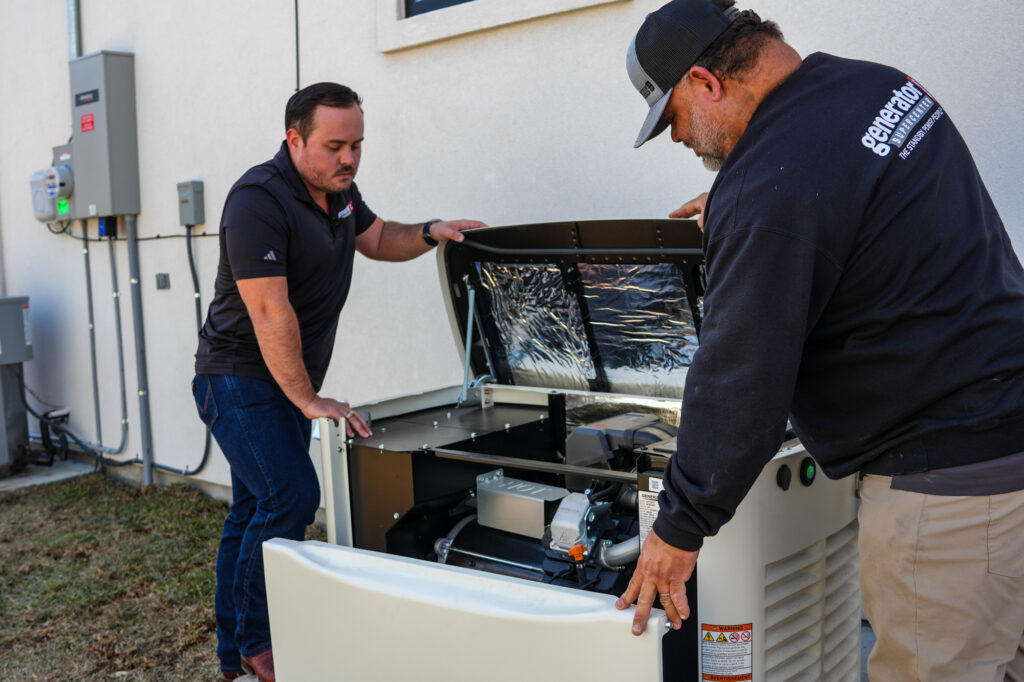
Some equipment needs more power when it first starts than it uses while running. This is called startup power or surge demand.
Medical devices can vary widely. A small CPAP machine may have very different power needs from an oxygen concentrator, powered bed, or refrigeration system for medication.
If you are not sure how generator capacity is planned, this generator sizing guide explains why load review matters before choosing a generator.
Think About Automatic Backup Power
A home standby generator can turn on automatically during an outage when it is properly installed with a transfer switch. This can be helpful for households that cannot easily set up a portable generator during bad weather or overnight outages.
If you are new to standby systems, this guide on what is a home standby generator explains how these systems work.
Automatic backup power can reduce manual steps, but it is still not instant in every situation. Some devices may require a separate battery or uninterrupted power supply if they cannot lose power even briefly.
Battery Backup May Still Be Needed
Some medical devices may need a dedicated battery backup even if the home has a generator. This is because standby generators typically take a short time to start and transfer power after an outage begins.
A battery backup may help bridge that short gap, depending on the device and manufacturer instructions. It may also provide extra time if the generator fails to start, needs service, or cannot run safely during severe weather.
Ask the device manufacturer whether a battery backup, UPS, or approved portable power option is recommended for your equipment.
Choose the Right Circuits
A generator for medical devices should be planned around the circuits that matter most. This may include the bedroom outlet, refrigeration circuit, internet equipment, bathroom outlet, or another area where the device is used.
A transfer switch helps manage power safely between utility power and generator power. This guide on generators and transfer switches explains why a transfer switch is important for standby generator systems.
Do not rely on extension cords, improvised wiring, or unsafe connections for medical equipment.
Plan for Refrigerated Medication
Some medications must stay within a specific temperature range. If your household uses refrigerated medication, include the refrigerator or medical storage unit in your backup power plan.
Keep a written plan that explains:
- The required storage temperature
- How long the medication can be out of range
- Who to call if storage is interrupted
- Whether a cooler or backup storage option is approved
- Which circuit powers the refrigerator or medical fridge
Ask your pharmacist, healthcare provider, or medication manufacturer for specific storage guidance.
Consider Fuel Supply and Runtime
A standby generator usually runs on natural gas or propane. The fuel source affects how long the generator can support the home during an outage.
Natural gas may be convenient if utility service remains available. Propane depends on tank size, fuel level, and usage. Either option should be reviewed before installation.
If you are comparing fuel choices, this guide on gas vs propane generators explains the basic differences for home standby generators.
Keep the Generator Maintained
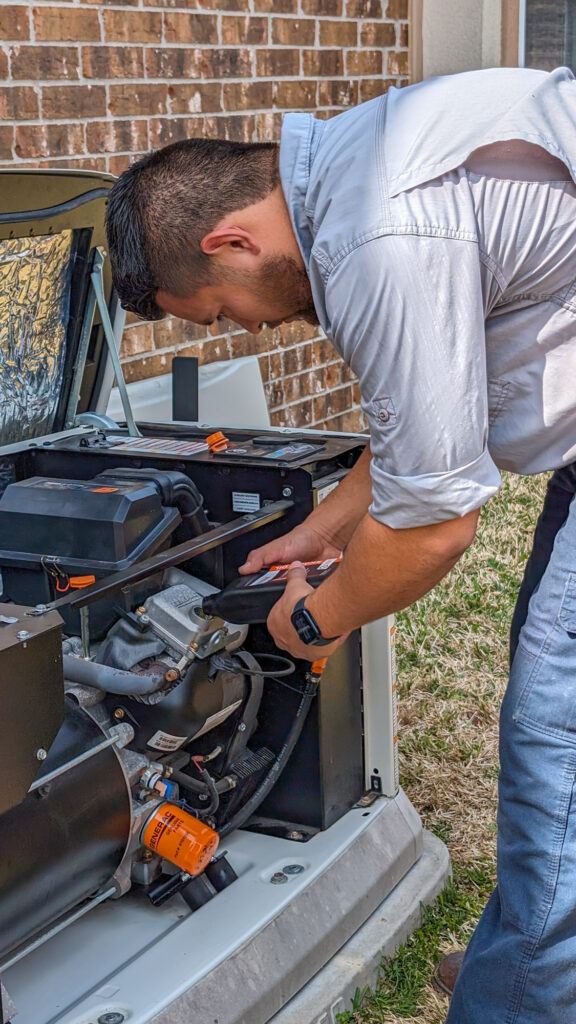
A generator that supports medical-related circuits should be kept ready. Battery issues, oil problems, warning lights, fuel concerns, or missed service can affect reliability during an outage.
Routine generator maintenance can help check key items before storm season or before the next outage.
Homeowners should also pay attention to warning signs, such as:
- Red or yellow status lights
- Slow cranking
- Failed exercise cycles
- Low battery alerts
- Oil warnings
- Unusual sounds
- Startup failure
- Shutdowns under load
If you see a warning light, this live guide on generator status lights can help explain common indicators.
Build a Medical Power Outage Plan
A generator should be part of a broader emergency plan, not the only plan.
Your plan may include:
- Device power requirements
- Backup battery instructions
- Generator service contact
- Utility company contact
- Medical equipment supplier contact
- Healthcare provider contact
- Local emergency contacts
- Medication storage plan
- Transportation plan if evacuation is needed
- Written instructions for caregivers
The FDA’s home use device resources include guidance for people who use medical devices at home, including power outage preparation.
Keep the plan somewhere easy to find, especially if caregivers, family members, or neighbors may need to help during an outage.
When to Call a Professional
Call a generator professional before relying on a standby generator for medical-related equipment. A professional can review your electrical panel, transfer switch, circuits, generator size, fuel supply, and outage priorities.
Professional help is especially important if:
- A medical device must run continuously
- You use oxygen equipment or powered medical equipment
- Medication must stay refrigerated
- You need automatic backup power
- You are unsure which circuits need backup
- Your generator has warning lights
- The generator has not been serviced recently
- You need help planning whole-home backup
For setup, inspection, or service, schedule standby generator service with Generator Supercenter of Broward.
Final Thoughts
A generator for medical devices can help support important equipment during an outage, but it should be planned carefully. Always confirm device requirements with the manufacturer or healthcare provider, include battery backup when needed, and make sure the generator is installed and maintained correctly.
For help planning a standby generator system for essential home circuits, contact Generator Supercenter of Broward for professional guidance.
FAQs
Can a generator power medical devices at home?
A generator may be able to power some medical devices, but you should confirm this with the device manufacturer or healthcare provider first. Some devices may require a battery backup or other approved power source.
Is a standby generator safe for medical equipment?
It depends on the device and installation. A standby generator should be installed by qualified professionals, and the medical device manufacturer should confirm whether generator power is acceptable.
Do I still need a battery backup if I have a generator?
Possibly. Some devices cannot lose power even briefly, so a battery backup may be needed while the generator starts or if the generator cannot run.
What medical devices should be included in a backup power plan?
Common examples include CPAP machines, oxygen equipment, refrigerated medication, mobility device chargers, powered beds, nebulizers, and monitoring devices.
Who should I ask before using a generator for medical equipment?
Ask the medical device manufacturer, healthcare provider, medical equipment supplier, and a qualified generator professional before relying on generator power.