
Generator maintenance after hurricane conditions should start with safety. If your generator was exposed to flooding, storm surge, standing water, heavy debris, or visible damage, do not restart it until it has been inspected by a qualified professional.
After a hurricane, your generator may need cleaning, inspection, oil checks, battery checks, airflow review, and service before the next outage. Even if the unit ran during the storm, post-storm maintenance can help catch problems early.
Start With Safety
Before checking the generator, make sure the area is safe. Do not approach the unit if there is standing water, downed power lines, a gas smell, damaged wiring, or storm debris blocking access.
Generac’s storm surge and hurricane safety guidance states that a home standby generator should not be started or operated if it has been submerged in water. In that case, the generator should be cleaned, dried, and inspected by an authorized service professional before use.
If you are unsure whether water reached the generator, it is safer to schedule service before attempting to run it.
Check for Flooding or Standing Water
Flooding is one of the biggest concerns after a hurricane. Water can affect electrical parts, fuel components, wiring, controls, and the generator enclosure.
Look for signs such as:
- Mud or water lines on the generator
- Standing water around the pad
- Wet electrical areas
- Debris inside the enclosure
- Rust or corrosion
- Tripped breakers or warning lights
- Unusual smells
Do not open panels or touch components if the unit is wet or unsafe. If flooding is a concern, this guide on a generator in flood zone explains why elevation, drainage, and placement matter.
Clear Debris Around the Unit
After a hurricane, leaves, branches, mulch, trash, and yard debris may collect around the generator. This can block airflow and make it harder for the unit to cool properly.
Clear the area around the generator carefully once conditions are safe. Keep vents and access panels open and unobstructed.
Do not place tarps, boards, outdoor furniture, or decorative covers over the generator while it is running. If you are unsure what is safe, this article on whether you can cover a generator with a tarp explains why airflow and exhaust clearance matter.
Look for Warning Lights or Error Codes
Many standby generators use indicator lights or controller messages to show system status. After a storm, check whether the unit is showing a warning, fault, or service alert.
Common signs to watch for include:
- Red warning light
- Yellow maintenance light
- Low battery alert
- Overcrank alert
- Charger warning
- Oil pressure warning
- Exercise cycle failure
Write down any code before clearing it. This can help a technician diagnose the issue faster.
If you need help understanding light colors, this guide on generator status lights explains common green, yellow, and red status indicators.
Check the Oil and Filters
If your generator ran for several hours or days during a hurricane outage, it may be due for an oil change or filter check. Long runtime can put extra demand on the engine.
Oil concerns may include:
- Low oil level
- Dirty oil
- Overdue oil change
- Oil leaks
- Filter buildup
- Service interval alerts
Do not assume the generator is fine just because it ran during the storm. This guide on a generator oil change explains why oil care matters for standby generator performance.
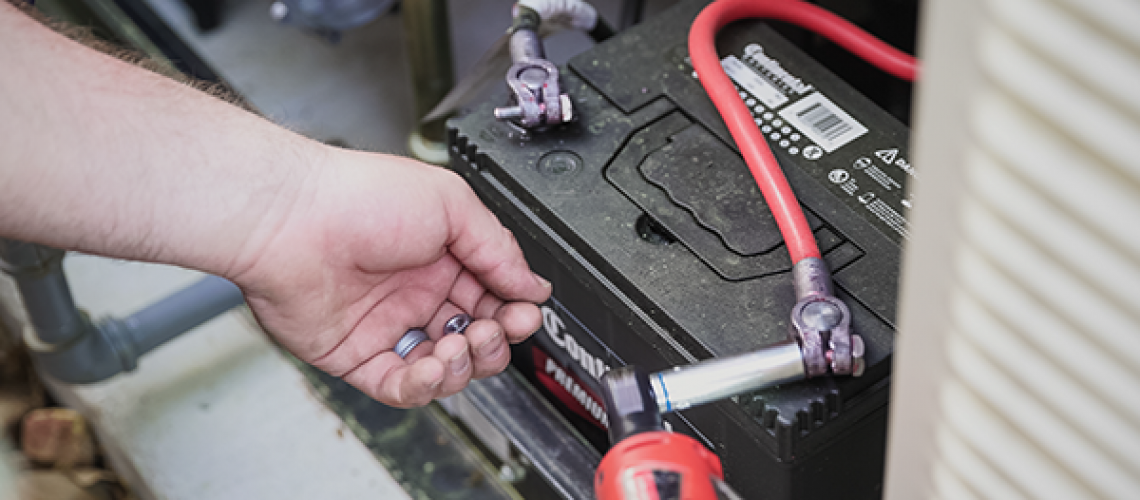
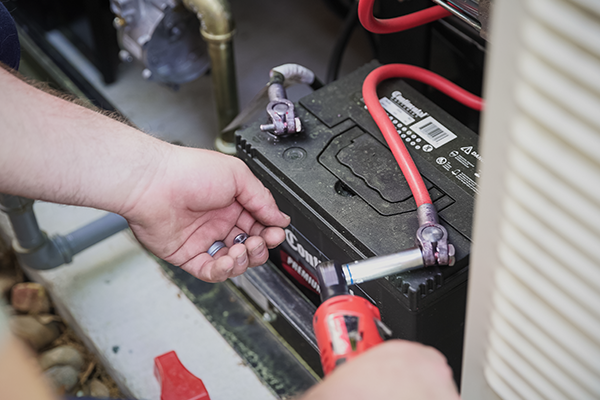
Inspect the Battery Area
The battery helps start the generator, so it should be checked after a major storm. Moisture, corrosion, loose cables, or charger problems can lead to startup failure later.
Look for visible signs such as:
- Corrosion on terminals
- Loose battery cables
- Swollen battery case
- Moisture in the battery area
- Battery warning lights
- Slow cranking after the storm
If the unit struggled to start during or after the hurricane, the battery may need testing. This article on generator battery problems explains common warning signs homeowners should not ignore.
Do Not Ignore Carbon Monoxide Safety
Carbon monoxide safety is important after any hurricane because many homes use generators during extended outages. The CDC warns that generators should only be used outside and kept at least 20 feet away from windows, doors, and vents to help prevent carbon monoxide poisoning.
Home standby generators are permanently installed outdoors, but homeowners should still keep the area clear and make sure exhaust is not blocked by storm debris, fencing, shrubs, or temporary coverings.
The CDC’s post-hurricane safety guidance also recommends using battery-operated or battery-backup carbon monoxide detectors when using fuel-burning equipment.
Test Only When It Is Safe
If the generator was not flooded, does not show visible damage, and the surrounding area is safe, you may be able to observe its next exercise cycle or request a professional test.
Do not force repeated starts if the generator cranks but does not start. Repeated attempts can drain the battery or create additional faults.
If the generator shuts off, fails to run smoothly, or shows alerts after the hurricane, schedule service before relying on it again.
Schedule Post-Storm Service
A professional post-storm service visit can help confirm whether the generator is ready for the next outage. This is especially helpful if the unit ran for a long time, was surrounded by debris, showed warning lights, or was exposed to heavy rain and wind.
A technician may check:
- Battery condition
- Oil and filter condition
- Air filter
- Spark plugs
- Controller alerts
- Fuel supply
- Transfer switch operation
- Wiring and connections
- Enclosure condition
- Overall system performance
Routine generator maintenance can help identify issues before they become larger problems.
When to Call a Professional
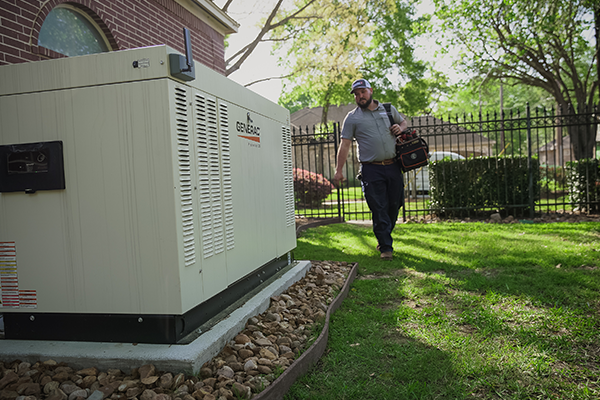
Call a generator professional if the generator was exposed to flooding, storm surge, standing water, visible damage, or repeated fault codes. You should also schedule service if the unit ran for an extended period during the hurricane.
Professional help is especially important if:
- The generator will not start after the storm
- The unit starts and then shuts off
- There is a red warning light
- The battery alert is on
- The oil looks dirty or low
- The generator smells unusual
- Debris entered the enclosure
- The unit was submerged or partly submerged
- You are unsure if it is safe to operate
For post-storm inspection or repair, schedule standby generator service with Generator Supercenter of Broward.
Final Thoughts
Generator maintenance after hurricane conditions helps protect your system, your home, and your peace of mind. Start with safety, check for flooding or damage, clear debris, review warning lights, and schedule service if anything looks unusual.
If your generator ran through the storm or may have been exposed to unsafe conditions, have it checked before the next outage. For professional generator maintenance and post-storm service, contact Generator Supercenter of Broward.
FAQs
Should I restart my generator after it was flooded?
No. If your generator was submerged or exposed to floodwater, do not restart it. Have it inspected and serviced by a qualified professional first.
What should I check first after a hurricane?
Start by checking for standing water, visible damage, debris, warning lights, and unsafe conditions around the unit. If anything looks unsafe, do not touch the generator.
Does a generator need service after running for a long outage?
Yes, it may need service after extended runtime. Oil, filters, battery condition, and system alerts should be checked after heavy use.
Can storm debris affect my generator?
Yes. Leaves, branches, mulch, and debris can block airflow or exhaust areas. Clear the area only when it is safe to do so.
When should I call for generator service after a hurricane?
Call for service if the generator was exposed to water, shows warning lights, will not start, shuts off unexpectedly, or ran for a long period during the outage.