
Generator for Home Office During Power Outages

A generator for home office use can help keep essential work equipment running during a power outage, including computers, internet equipment, lighting, and chargers. The right setup depends on your equipment, power needs, outage risks, and whether you want to power only your office or other areas of your home. For remote workers, even a […]
What Happens If a Generator Is Overloaded?
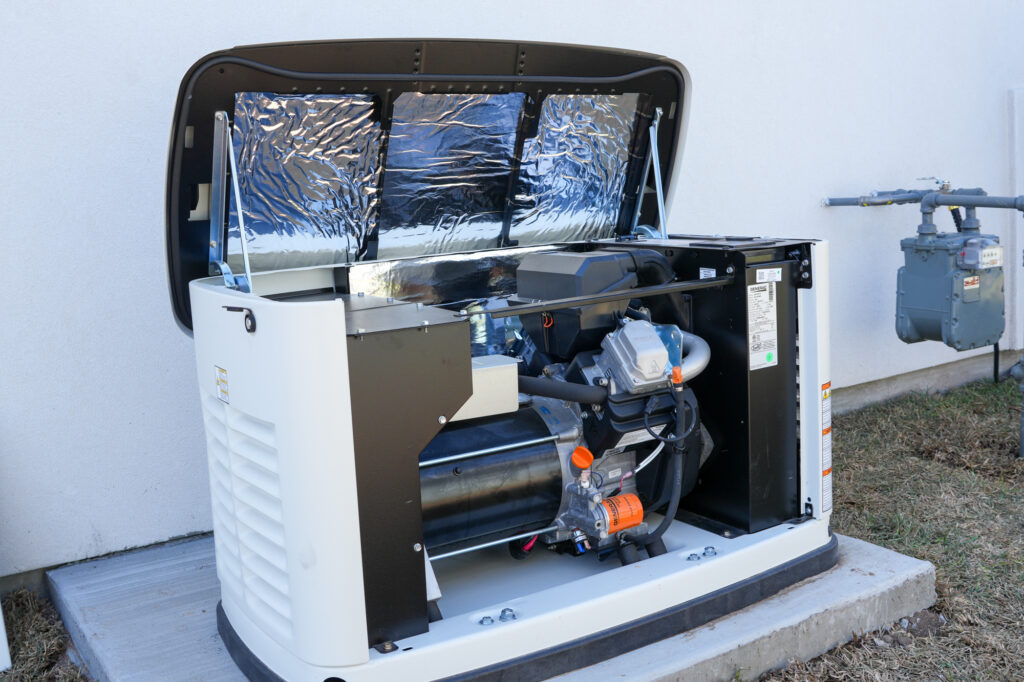
If a generator is overloaded, it may shut down, display an overload warning, trip a breaker, run roughly, or fail to support connected appliances. Overloading happens when the electrical demand placed on the generator is higher than what the system can safely provide. For a home standby generator, an overload should not be ignored. It […]
Generator Error Code During an Outage: What to Do
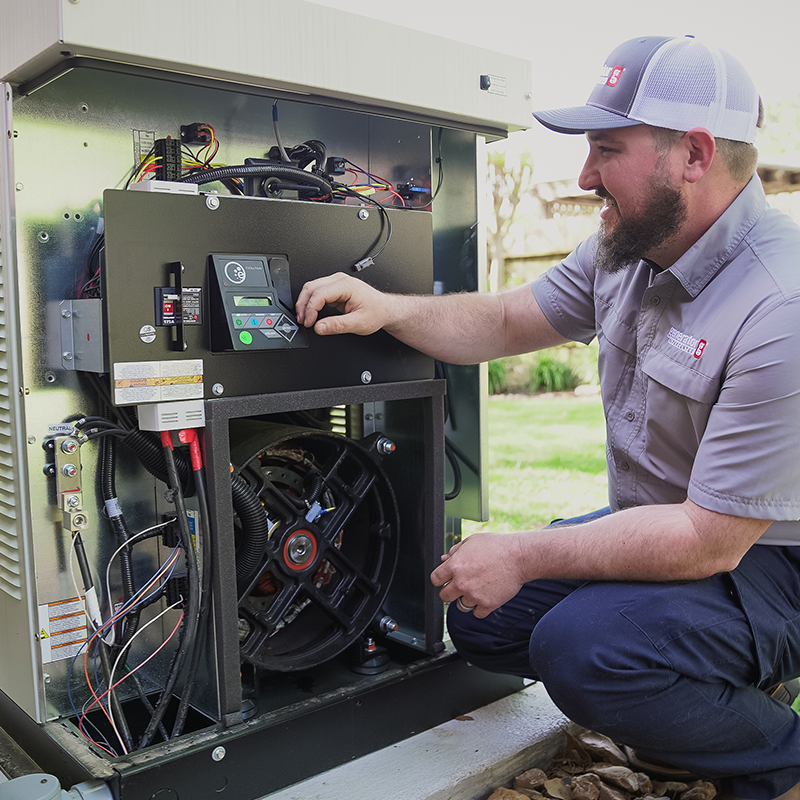
If your generator shows an error code during an outage, write down the code first, check for obvious safety concerns, and avoid repeatedly resetting the unit without knowing the cause. Some alerts may be simple, but others can point to fuel, oil, battery, overheating, sensor, or service-related issues. If the generator will not restart, the […]
Generator Auto Mode: What It Means

Generator Auto mode means your standby generator is set to respond automatically when utility power goes out. If the generator is not in Auto mode, it may not start during an outage, even if the system is otherwise working. For homeowners who rely on backup power, Auto mode is one of the most important settings […]
Natural Gas Line Requirements for Standby Generators
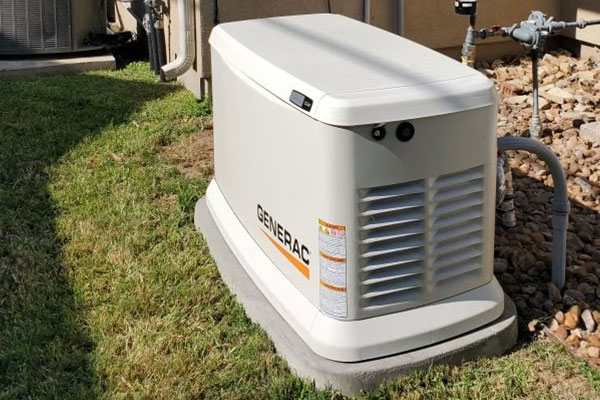
Natural gas line requirements for standby generators depend on the generator size, fuel demand, gas pressure, pipe length, pipe material, other gas appliances, and local code requirements. A standby generator should never be connected to a gas line by guesswork because undersized or improper fuel supply can affect performance and safety. Before installation, a qualified […]
Generac Load Shed Module: What Does It Do?
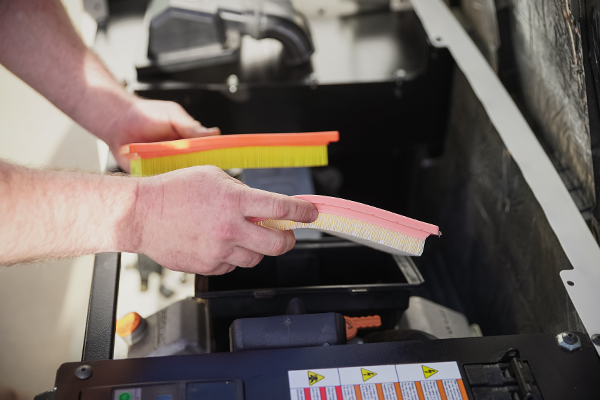
A Generac load shed module helps your standby generator manage large appliances during a power outage. This matters because a generator can only handle a certain amount of electrical demand at one time. If too many high-power appliances start together, the generator may overload, trip, or fail to provide power properly. A load shed module […]
Generator for AC Unit: Can a Standby Generator Run Your Air Conditioner?
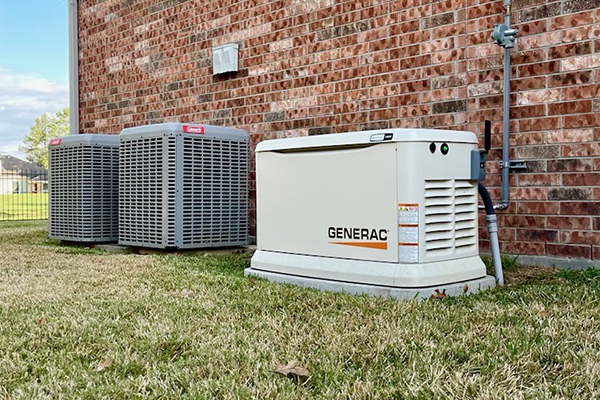
A generator for AC unit backup can help keep your home comfortable during a power outage. However, not every generator can run every air conditioner. Your AC unit uses significant electricity, especially when it first starts. That initial surge of power is one of the main reasons generator sizing matters. A properly sized standby generator […]
Generator for Large Home: What to Know Before Choosing One

A generator for a large home should be selected based on the home’s power needs, major appliances, fuel supply, electrical setup, and backup priorities. Larger homes often have more systems to support, so the right generator is not always based on square footage alone. Before choosing a standby generator, homeowners should think about what they […]
How to Help Extend Generator Battery Life
You can help extend generator battery life by keeping the battery clean, checking for corrosion, making sure the generator exercises properly, and scheduling routine service before the battery becomes weak. Most home standby generator batteries eventually need replacement, but good care can help reduce avoidable starting problems. A weak battery is one of the most […]
Generator Cranks But Won’t Start: What to Check
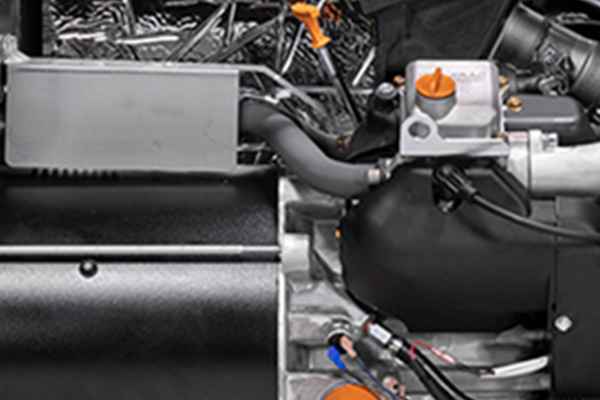
If your generator cranks but won’t start, the engine is trying to turn over but is missing something it needs to run. Common causes include fuel supply problems, low oil, battery or connection issues, a clogged air filter, spark plug issues, or a fault code that needs professional service. This issue can be frustrating, especially […]