
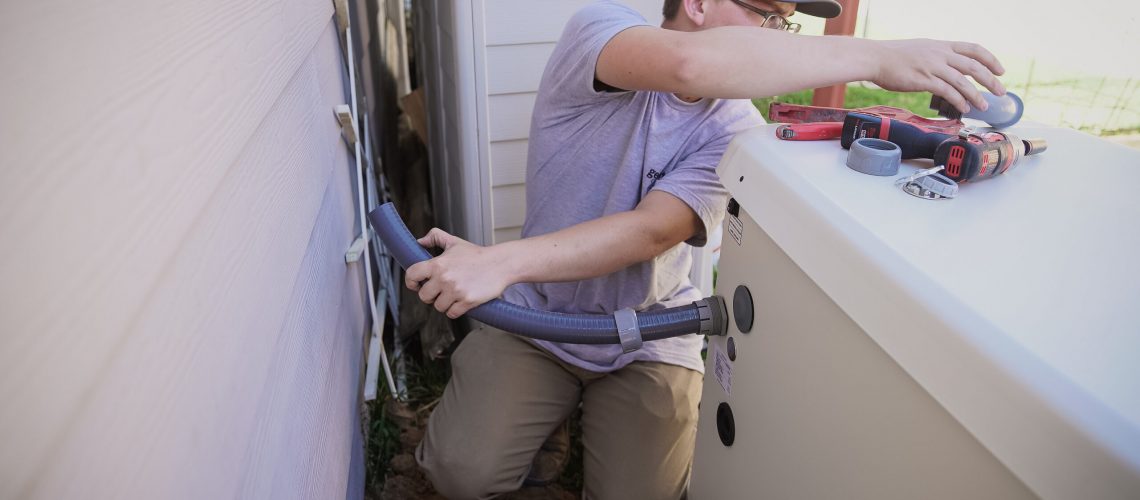
Yes, you can cover a generator with a tarp, but only when it is done the right way.
A tarp should never sit directly on a running generator. It should also never block the exhaust, air vents, engine area, or any part that needs airflow. Generators produce heat while running, and they also release carbon monoxide, a dangerous gas that cannot be seen or smelled. The CDC advises keeping generators outside and at least 20 feet away from doors, windows, and vents.
If you need to protect your generator from rain, the safer option is to create an open cover above it, similar to a small canopy. The Red Cross also recommends using a generator on a dry surface under an open canopy-like structure, such as a tarp held up on poles.
Why You Should Not Place a Tarp Directly Over a Running Generator
A tarp may seem like a quick fix during rain, but placing it directly over the generator can create serious problems.
It can trap heat, block airflow, or move too close to hot engine parts. This can damage the generator and may increase the risk of fire. It can also push exhaust fumes in the wrong direction, especially if the tarp hangs low around the unit.
Generator exhaust contains carbon monoxide. The CPSC warns that a generator should only be used outside, far away from windows, doors, and vents because carbon monoxide can be deadly.
The Safer Way to Cover a Generator With a Tarp
The safest way to use a tarp is to keep it above the generator, not wrapped around it.
Use poles, a frame, or a strong support structure to hold the tarp over the generator like a roof. Make sure all sides stay open so air can move freely. The tarp should protect the unit from falling rain, but it should not touch the generator.
Here are simple safety tips to follow:
- Keep the generator outside at least 20 feet away from the home.
- Point the exhaust away from doors, windows, vents, and nearby buildings.
- Keep the tarp high enough so heat can escape.
- Leave all sides open for airflow.
- Make sure the generator sits on a dry, stable surface.
- Do not touch the generator with wet hands.
- Turn the generator off and let it cool before refueling.
The CPSC also warns not to operate a generator on a porch or in a carport because it may still be too close to the home.
What Kind of Cover Should You Use?
A regular tarp can work as a temporary cover if it is raised properly and secured well. However, it is not always the best long-term solution.
For better protection, consider:
- A generator tent
- A generator canopy
- A weather-rated generator cover
- A manufacturer-approved running cover
- A permanent standby generator enclosure
If you use a portable generator often, a cover made for generator use is usually safer than a basic tarp. These covers are designed to protect the generator while still allowing airflow.
Can You Cover a Generator When It Is Not Running?
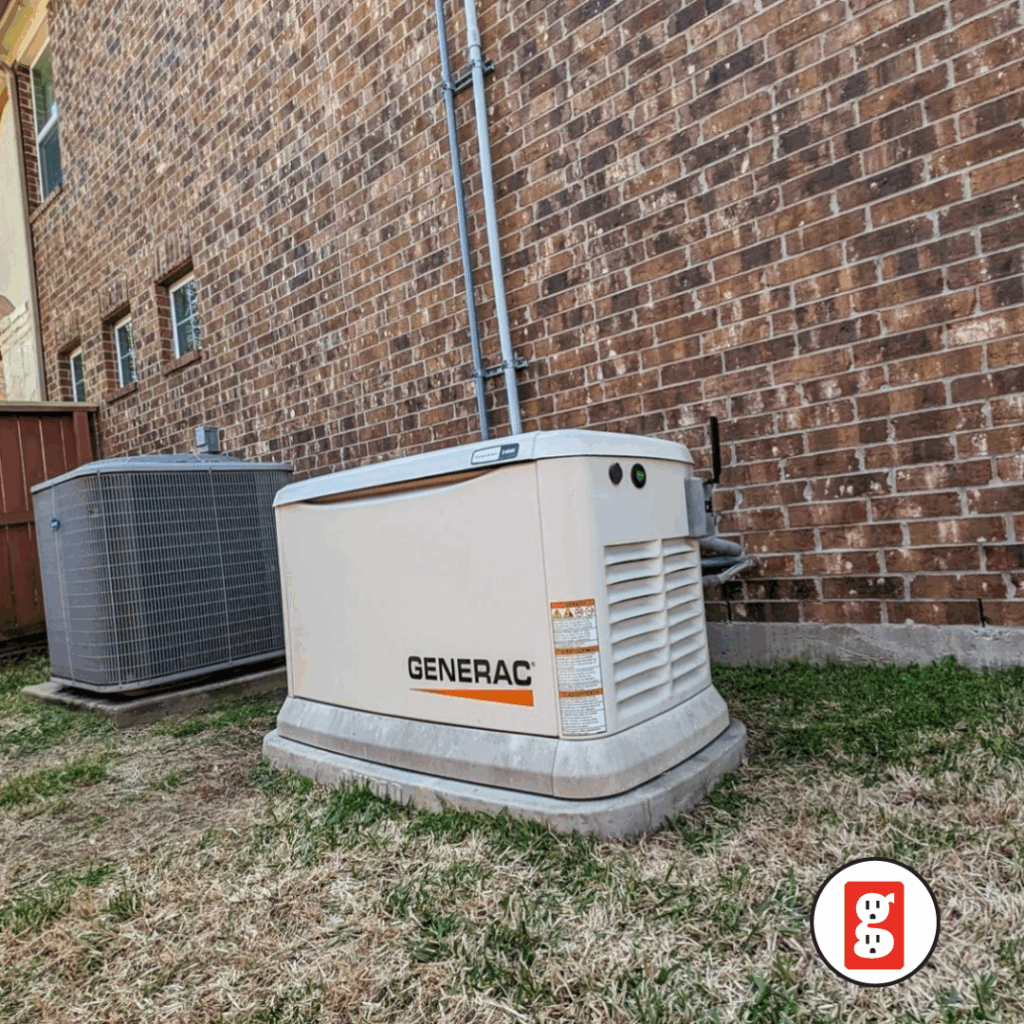
Yes. When the generator is turned off and fully cooled down, you can cover it with a fitted cover or tarp to protect it from dust, rain, and debris.
Just make sure the generator is dry before covering it for storage. Covering a wet generator can trap moisture, which may lead to rust or damage over time.
Best Option for Florida Homes
In South Florida, storms, heavy rain, and hurricane season can make generator use more common. While a tarp may help in an emergency, it is not the most reliable solution for long-term backup power.
A standby generator is often a better choice for homeowners who want a safer and more convenient setup. It is installed outside the home, connected properly, and built to handle outdoor conditions.
Final Thoughts
You can cover a generator with a tarp, but never wrap the tarp around a running generator or place it directly on top of it. The goal is to protect the generator from rain while keeping it open, cool, and properly ventilated.
A raised tarp or open canopy can help in a pinch, but a proper generator cover or standby generator setup is the better long-term choice.
Need a safer backup power solution for your home? Visit Generator Supercenter of Broward to learn more about home standby generator installation and storm-ready power options.