
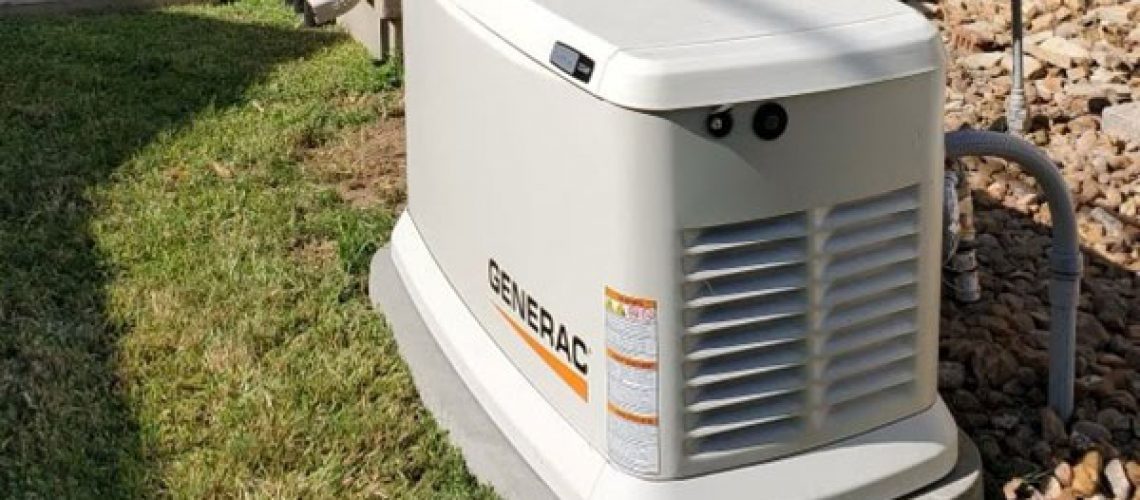
You can help extend generator battery life by keeping the battery clean, checking for corrosion, making sure the generator exercises properly, and scheduling routine service before the battery becomes weak. Most home standby generator batteries eventually need replacement, but good care can help reduce avoidable starting problems.
A weak battery is one of the most common reasons a standby generator may fail to start when backup power is needed. For homeowners who rely on a whole-home generator, battery care should be part of regular generator ownership.
Why the Battery Matters
The battery helps start the generator engine when utility power goes out. Even if the generator has fuel and is otherwise in good condition, a weak or failing battery may prevent the system from starting properly.
A generator battery can also affect automatic startup. If the battery cannot provide enough power, the unit may crank slowly, show a warning, or fail to start during an outage.
If your generator is already turning over but not starting, this guide on a generator that cranks but won’t start may help explain other possible causes.
Keep the Battery Clean
Dirt, moisture, and debris around the battery area can contribute to poor connections over time. The battery compartment should stay clean, dry, and free from buildup.
Homeowners can visually check for obvious issues, such as:
- Dirt around the battery
- Loose-looking cables
- White or green corrosion on terminals
- Moisture inside the generator enclosure
- Signs of pests or nesting material
Do not touch electrical components if the generator is wet, damaged, or unsafe to access. A qualified professional can confirm what applies to your system.
Check for Corrosion
Battery terminal corrosion can interfere with the connection between the battery and the generator. When the connection is poor, the generator may have trouble starting even if the battery still has some charge.
Generac’s battery inspection guidance explains that generator batteries should be inspected with proper safety steps, including turning the unit off before accessing the battery area.
If you notice corrosion, loose terminals, or damaged cables, it is best to schedule service instead of guessing. Battery work may vary by model, and improper handling can create safety issues.
Make Sure the Generator Exercises
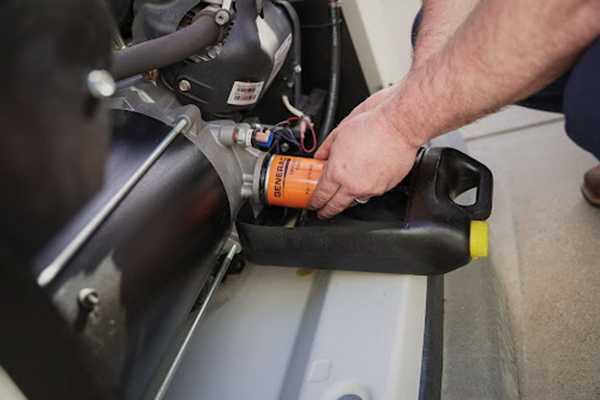
Many standby generators perform automatic exercise cycles. These scheduled test runs help the system stay ready and can reveal certain issues before a real outage happens.
Exercise cycles do not guarantee the battery is perfect, but they can help alert homeowners to problems such as slow cranking, unusual sounds, warning lights, or failed startup attempts.
If your generator has not been exercising as expected, check the controller settings or schedule professional service. Do not ignore missed exercise cycles, especially before storm season.
For related warning signs, this article on generator status lights can help homeowners understand what green, yellow, and red lights may indicate.
Watch for Battery Warning Signs
A generator battery may be getting weak before it fully fails. Some signs are easy to miss unless you check the unit regularly.
Common warning signs include:
- Slow cranking
- Clicking when trying to start
- Repeated startup faults
- Battery charger alerts
- Corrosion on terminals
- A swollen or damaged battery case
- The generator failing its exercise cycle
- The generator starting once but struggling later
If the generator displays an error code, write it down before clearing it. This can help a technician diagnose the issue more quickly.
Keep Up With Service
Routine service is one of the best ways to help extend generator battery life. During maintenance, a technician can inspect the battery, test charge strength, check terminals, review the charger, and look for early signs of failure.
Generac states that home standby generator batteries typically last about 3 to 5 years on average, though actual life can vary depending on conditions, usage, battery type, and maintenance. Their battery replacement guidance notes that replacement timing depends on inspection and diagnosis.
Regular generator maintenance can help reduce the risk of finding out the battery is weak only after the power goes out.
Protect the Generator From Moisture and Debris
Outdoor generators are built to handle outdoor conditions, but moisture, flooding, blocked airflow, and debris can still create problems.
Heavy rain, salt air, standing water, lawn clippings, leaves, and insects can affect the generator enclosure and battery area. Keep the area around the unit clear and make sure drainage does not cause water to collect near the generator.
If your generator is installed in a low-lying area, this guide on a generator in flood zone explains why placement, elevation, and drainage can matter.
Do Not Ignore Charger Issues
The battery charger helps maintain the battery while the generator is on standby. If the charger is not working properly, the battery may become weak even if it is not very old.
Possible charger-related signs include:
- Battery warning lights
- Low battery alerts
- Repeated dead battery problems
- Generator exercise failure
- The battery needing replacement too often
Do not attempt to modify internal wiring or charger components yourself. Charger issues should be inspected by a qualified generator professional.
Replace the Battery Before It Fails
Even with good care, generator batteries do not last forever. Waiting until the battery fails can leave your home without backup power during an outage.
Replacement timing may vary depending on the generator model, battery type, climate, usage, and service history. A technician can test the battery and recommend replacement when needed.
If you are not sure how old your battery is, ask during your next service appointment. Keeping a record of the battery installation date can help with future planning.
When to Call a Professional

Contact a generator professional if your generator has slow cranking, battery alerts, charger warnings, corrosion, failed exercise cycles, or repeated startup issues.
You should also schedule service if:
- The battery is more than a few years old
- The generator did not start during an outage
- The control panel shows a warning
- The battery terminals look corroded
- The generator has not been serviced recently
- The unit was exposed to flooding or standing water
- You are unsure whether the battery is safe to inspect
For battery checks, troubleshooting, or system concerns, schedule standby generator service with Generator Supercenter of Broward.
Final Thoughts
Helping extend generator battery life comes down to regular inspection, clean connections, proper exercise cycles, timely service, and replacement before failure. A healthy battery helps your standby generator start when your home needs backup power most.
For help maintaining your generator battery or checking your whole-home standby system, contact Generator Supercenter of Broward for professional service and support.
FAQs
How do I know if my generator battery is bad?
Signs may include slow cranking, clicking, startup failure, battery alerts, charger warnings, corrosion, or failed exercise cycles.
Should I replace my generator battery myself?
Some homeowners may be comfortable with basic battery replacement, but service requirements vary by model. If you are unsure, schedule professional service.
Does the generator exercise cycle charge the battery?
Exercise cycles help keep the generator ready, but the battery charger is usually responsible for maintaining battery charge. If the charger has a problem, the battery may still weaken.
Can weather affect generator battery life?
Yes. Heat, moisture, flooding, corrosion, and long periods of inactivity can affect battery performance and lifespan.
What should I do if my generator shows a battery warning?
Write down the warning or error code and schedule service. Do not keep resetting the alert without checking the cause.