
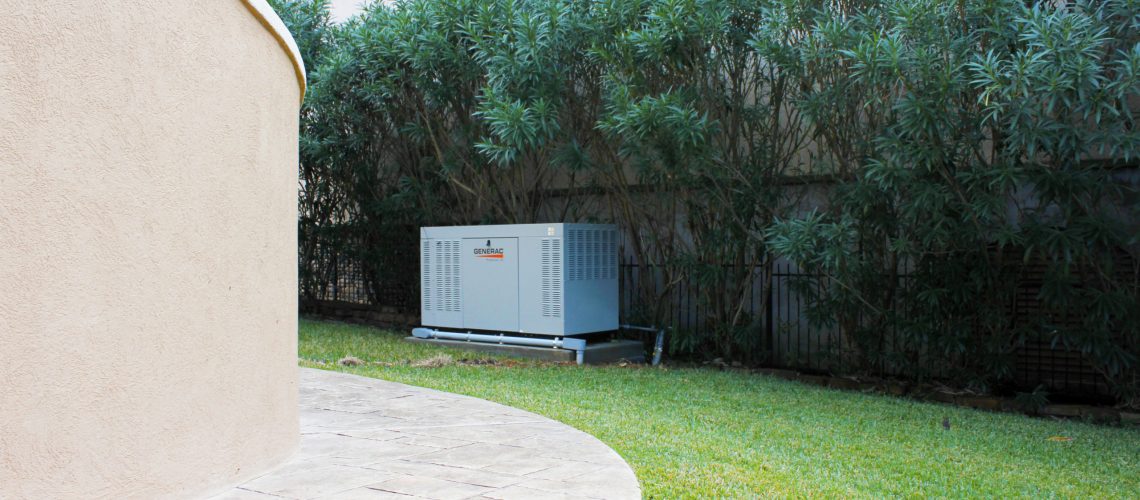
A generator can be installed in a flood zone, but it must be placed, elevated, anchored, and permitted correctly. For Broward County homeowners, the right setup depends on your flood zone, base flood elevation, local code requirements, generator model, fuel type, and property layout.
Because many Broward homes are exposed to heavy rain, storm surge risk, and low-lying drainage issues, generator placement should never be treated as a simple backyard decision. A qualified generator professional can help confirm what applies to your home before installation begins.
Why Flood Zones Matter
A standby generator is a permanent outdoor system. It connects to your home’s electrical system and usually runs on natural gas or propane. Because it is fixed in place, the installation must account for water exposure, airflow, access, electrical safety, and local permitting requirements.
If a generator is placed too low in a flood-prone area, floodwater can damage sensitive components, create electrical hazards, block safe operation, or shorten the life of the equipment.
For homeowners still comparing backup power options, this guide on types of home generators can help explain how standby systems differ from portable and inverter generators.
Check Your Flood Zone
Before installing a generator in a flood zone, homeowners should confirm whether the property is located in a FEMA-designated flood area.
Broward County provides a flood map tool that allows property owners to check current flood zone information by address. FEMA also defines Base Flood Elevation, or BFE, as the elevation floodwaters are expected to reach during a base flood event.
Your installer, contractor, or local permitting office may use this information when reviewing where the generator should be placed and whether elevation is required.
What Can Affect Placement
Several details may influence the final installation plan, including:
- Your property’s flood zone designation
- Base Flood Elevation
- Existing slab or pad elevation
- Distance from windows, doors, vents, and property lines
- Gas line routing
- Electrical connection location
- Drainage patterns around the home
- Local inspection requirements
Requirements may vary by municipality, so a homeowner in Fort Lauderdale may not have the exact same process as a homeowner in Hollywood, Pembroke Pines, Coral Springs, or another Broward County city.
Elevation Requirements
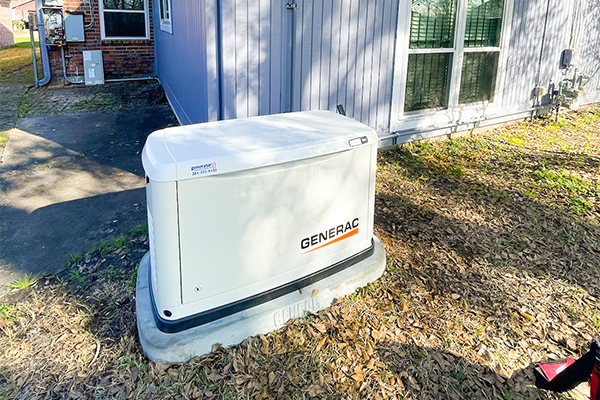
In many flood-prone areas, mechanical and electrical equipment may need to be elevated above a required flood elevation. Whether this applies to your generator depends on your flood zone, local code requirements, the installation setup, and the authority having jurisdiction.
For standby generators, elevation may involve installing the unit on an approved raised platform, elevated stand, or engineered pad. The exact method should be confirmed before installation because the generator must still be stable, accessible, properly ventilated, and compliant with manufacturer guidance.
An elevated generator pad is not only about height. It must also support the generator’s weight, resist movement, and allow safe access for service.
Pads and Anchoring
A generator in a flood zone needs more than a flat surface. The pad or platform should be designed to keep the equipment stable during normal operation and severe weather conditions.
Depending on the installation, anchoring may be required to help prevent shifting. This is especially important in areas that may experience high winds, heavy rain, saturated ground, or standing water.
The generator should also remain level. If the unit shifts over time, it may affect performance, drainage, vibration, or access to service panels.
For homeowners planning a new system, professional standby generator installation helps ensure placement, permitting, electrical work, and fuel connections are reviewed together instead of separately.
Clearance and Airflow
Flood elevation is important, but it is not the only placement rule. Standby generators also need proper clearance for airflow, exhaust, service access, and safe operation.
A generator should not be boxed in, crowded by landscaping, blocked by fencing, or placed where exhaust could enter the home through windows, doors, soffit vents, or other openings.
Clearance requirements may vary depending on the model and manufacturer instructions. A qualified professional can confirm the exact spacing needed for your generator and property.
Fuel and Electrical Lines
A standby generator depends on fuel and electrical connections. In a flood zone, those connections should be planned carefully.
Fuel lines, electrical conduits, transfer switch placement, and related components may need to meet local code and inspection requirements. The goal is to reduce exposure to water, avoid unsafe routing, and support reliable operation during an outage.
This is one reason generator installation should not be treated as a simple equipment purchase. The generator, fuel source, electrical panel, transfer switch, pad, and site conditions all need to work together.
Portable Generators and Flooding
Portable generators should never be operated in floodwater, enclosed spaces, garages, or near openings where carbon monoxide could enter the home. They also should not be used in wet conditions without proper protection and safe setup.
If your home is in a flood-prone area and you are considering a portable unit, it is important to understand its limitations. A permanently installed standby system may offer more convenience, but it still needs proper placement and permitting.
Homeowners comparing long-term options can review this article on standby vs portable generator before deciding what type of backup power fits their needs.
Ongoing Maintenance
Generators installed near low-lying or flood-prone areas may need extra attention over time. Moisture, salt air, standing water, debris, and poor drainage can all affect the condition of the unit.
Routine maintenance can help identify:
- Corrosion
- Blocked vents
- Battery issues
- Oil or filter concerns
- Rodent or insect activity
- Water pooling around the pad
- Warning lights or error codes
- Loose or shifting components
If your generator has been exposed to flooding or standing water, do not attempt to restart it without professional inspection. Electrical and fuel-related components should be checked before the system is used again.
Regular generator maintenance is especially important for homeowners who rely on backup power during storm season.
When to Call a Professional
You should contact a generator professional before installing or relocating a generator in a flood zone. A professional can evaluate the site, review clearance needs, consider flood-related concerns, and help determine whether elevation or special placement is needed.
Professional help is especially important if:
- Your property is in a FEMA flood zone
- Your yard collects standing water
- You are replacing an older generator
- You are moving an existing generator
- You are unsure about local permit requirements
- The generator pad is cracked, sinking, or too low
- The unit was exposed to floodwater
- You are planning a new whole-home standby system
If you already own a unit and notice warning lights, shutdowns, or performance issues after heavy rain, it may be time to request standby generator service.
Final Thoughts
Installing a generator in a flood zone is possible, but it requires careful planning. Broward County homeowners should consider flood maps, elevation, drainage, clearances, fuel connections, electrical safety, and local permitting before choosing a final location.
A properly placed standby generator can help protect your home’s comfort and essential systems during outages, but the installation must be designed for your property’s conditions.
For help choosing, placing, installing, or servicing a standby generator, contact Generator Supercenter of Broward for professional guidance.
FAQs
Can you install a standby generator in a flood zone?
Yes, a standby generator can often be installed in a flood zone, but the placement may need to meet elevation, anchoring, permitting, and local inspection requirements.
How do I know if my Broward County home is in a flood zone?
You can check Broward County’s official flood map tool or review FEMA flood map information for your property. A contractor or local permitting office may also help confirm your flood zone details.
Can floodwater damage a standby generator?
Yes. Floodwater can damage electrical parts, controls, wiring, fuel connections, and other components. If a generator has been exposed to flooding, it should be inspected before use.
Does every flood zone generator need a raised platform?
Not always. Requirements may vary by municipality, property elevation, flood zone type, and installation setup. A qualified professional can confirm what applies to your home.
Can I move my existing generator to a higher location?
Possibly, but moving a standby generator may require electrical, fuel line, pad, clearance, and permit review. It should not be moved without professional assistance.