
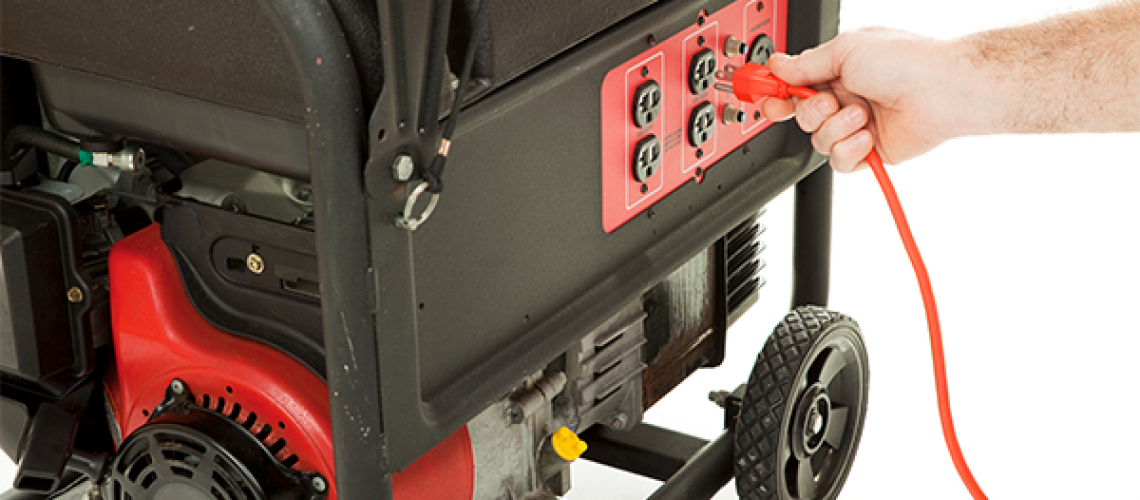
When comparing a standby generator vs. a portable generator, the right choice depends on how much backup power you need and how you plan to use it. Portable generators can be a practical option for short-term or limited power needs, while standby generators are better suited for homeowners who want automatic backup power and a more permanent solution.
Both types have their place. The better choice comes down to convenience, power needs, safety, and how prepared you want to be when the power goes out.
What Is the Difference Between a Portable and Standby Generator?
A portable generator is a movable unit that can be used in different locations. It is usually stored until needed, then taken out and set up during an outage. Portable generators are often used to run a few essentials, such as lights, a refrigerator, or small appliances.
A standby generator is permanently installed outside the home and connected to the electrical system. It is designed to restore power automatically when utility power fails.
When a Portable Generator May Make Sense
A portable generator can be a good fit if your backup power needs are simple.
It may work well for homeowners who:
- only want to power a few basic essentials
- need a lower upfront cost
- are comfortable setting up the generator manually
- want something they can move and store when not in use
Portable generators can be useful for temporary power needs, especially if you do not need to keep the whole home running. For some households, that may be enough.
Why Many Homeowners Still Choose Standby Generators
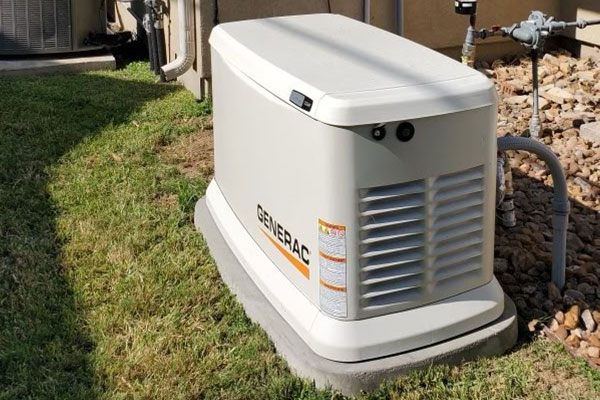
Portable generators are useful, but they also come with limits. In many homes, a standby generator is the better fit because it offers a more complete backup power solution.
1. Standby Generators Offer More Convenience
One of the biggest differences is convenience.
With a portable generator, you usually need to take it out of storage, place it in a safe outdoor area, start it, and connect what you want to power. That takes time and effort, especially during bad weather or nighttime outages.
A standby generator stays installed and is ready to respond when the power fails. That makes it a much easier option for homeowners who do not want to deal with setup during an outage.
2. Portable Generators Are Better for Smaller Needs
Portable generators can be useful when you only need to power a small number of items. If your goal is to keep a few basics running for a short time, a portable unit may be enough.
That said, many homeowners outgrow portable generators once they realize how much of the home they want to keep running during an outage. If you want broader coverage and less compromise, a standby generator is usually the better long-term choice.
3. Standby Generators Are Better for Whole-Home Backup
A portable generator is often best for limited use. A standby generator is better for homeowners who want more of the house to stay powered during an outage.
That can make a major difference if you want to keep key systems running without having to choose between appliances or constantly manage power use.
4. Portable Generators Require More Hands-On Use
A portable generator gives you flexibility, but it also requires more manual effort.
You need to:
- store it properly
- move it into position
- fuel it as needed
- set it up safely each time
- monitor its use during the outage
For some homeowners, that is manageable. For others, it becomes inconvenient very quickly, especially in storm conditions.
5. Standby Generators Stay Installed and Ready
A standby generator is already in place when you need it. There is no need to move it, connect it, or prepare it each time the power goes out.
That permanent setup can be a major advantage for homeowners who want a system that is always ready and professionally supported.
6. Standby Generators Can Feel More Reliable During Storms
When storms hit, convenience matters. A portable generator may still do the job, but it requires action at the exact moment conditions are worst.
A standby generator removes much of that stress. It is designed to respond automatically, which makes it a more attractive option for homeowners who want dependable backup power without the extra effort.
Which Generator Is Right for You?
A portable generator may be the right choice if:
- you only need to power a few essentials
- you want a lower upfront investment
- you do not mind manual setup and operation
A standby generator may be the better choice if:
- you want automatic backup power
- you want to support more of your home
- you prefer a permanent solution
- you want less hassle during an outage
The right choice depends on your home, your priorities, and how much convenience you want when the power goes out.
Need Help Choosing the Right Backup Power Option?
Both portable and standby generators can be useful, but they serve different needs. If you want help deciding what makes the most sense for your home, Generator Supercenter of Broward can help you choose the right backup power solution, with support for generator selection, installation, service, and long-term maintenance.
FAQ
Is a standby generator safer than a portable generator?
A standby generator is often easier to use safely because it stays installed outside your home. A portable generator needs to be set up correctly each time.
Can a portable generator power an entire house?
Usually not. Most portable generators can only power a few important items. A standby generator is better for whole-home backup.
Do standby generators turn on automatically?
Yes. A standby generator turns on automatically when the power goes out.
Are portable generators cheaper than standby generators?
Yes. Portable generators usually cost less upfront. Standby generators cost more but give you more convenience and coverage.