

 Showroom
 Your Home
 Install & Service
 Products
 Why Buy A Generator
 About Us
 Generator Maintenance
 Locations
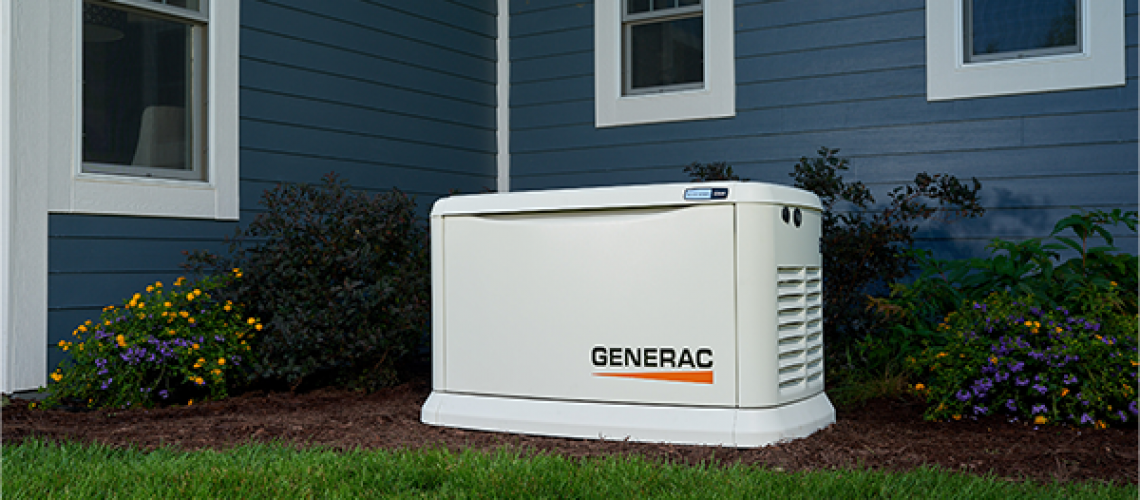
Power outages are no longer rare events. Storm season, grid strain, and unexpected equipment failures leave thousands of Florida homes without electricity every year.
If you are searching for the best home generator, this guide breaks down the different types, how they work, and which one fits your needs.
Whether you need emergency backup power for essentials or full whole-house coverage, understanding your options is the first step.
1. Standby (Whole House) Generators
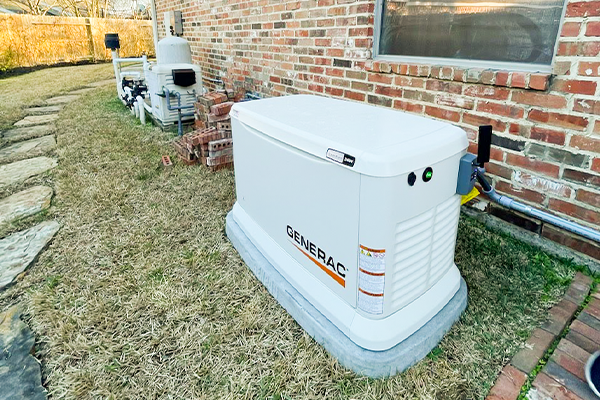
A standby generator, also called a whole house generator, is permanently installed outside your home. It connects directly to your electrical system and automatically turns on when utility power fails.
These units usually use natural gas or propane and can power just a few things or your whole house. Installing a whole house generator lets you run everything, including heating and cooling, appliances, and lights.
Why Homeowners Choose Standby Units
- Turn on automatically
- Provide high-wattage output.
- Support central air conditioning.
- Increase home value
- Offer long-term reliability
Limitations
- Higher upfront cost compared to portable generators
- Requires professional generator installation
- Ongoing maintenance is necessary.
- Permit and inspection requirements may apply.
- Takes up fixed outdoor space
A standby generator offers the highest level of backup power protection, but it requires a larger investment and professional setup. For homeowners who want uninterrupted power during extended outages, it remains the most reliable solution.
2. Portable Generators
A portable generator is a unit you can move that runs on gasoline or propane. You have to start it and hook it up yourself when the power goes out. People often use these for short-term power.
Best Use Cases
- Short-term power outages
- Running a refrigerator and lights
- Charging devices
- Outdoor job sites
Limitations
- Manual setup
- Refueling required
- Limited wattage output
- Must always run outdoors for safety
3. Inverter Generators
An inverter generator produces cleaner, more stable electricity. That makes it safer for sensitive electronics like laptops, TVs, and medical devices.
Unlike traditional portable generators, inverter units adjust engine speed in response to demand. This improves fuel efficiency and reduces noise.
Ideal For:
- Small home backup needs
- RV use
- Charging phones and computers
- Quiet neighborhoods
Drawbacks:
- Lower power capacity
- Not suitable for central AC or large appliances
4. Solar Generators
A solar generator stores electricity in batteries and recharges using solar panels. Some systems can also charge through wall outlets.
Best Use Cases:
- Small loads
- Short outages
- Eco-conscious homeowners
Limitations
- Limited capacity
- Weather dependent
- May not power heavy appliances like HVAC systems
For full-home backup in Florida, solar alone is usually not enough unless paired with battery storage systems.
How to Choose the Right Generator for Your Home
1. Calculate Your Power Requirements
Start with a wattage calculation:
- Refrigerator: 600–800 watts
- Central AC: 2,000–5,000+ watts
- Lights and outlets: 300–1,000 watts
For whole-home coverage, you may need 18–26kW or more.
2. Consider Installation Costs
Portable generators cost less upfront. Standby generator installation requires professional setup, permits, and the installation of a transfer switch.
3. Think About Long-Term Maintenance
Routine generator maintenance service keeps your system reliable. Oil changes, battery checks, and load testing prevent unexpected failures.
Why Professional Installation Matters
If a generator is not set up properly, it can be dangerous and cost you money. Problems can include carbon monoxide poisoning, electrical hazards, breaking local rules, failing inspections, and even damage to your home’s electrical system.
Hiring a licensed team makes sure your generator is set up safely, follows the rules, uses the right switch, and works when you need it.
Final Thoughts
There are several types of home generators: portable, inverter, standby, and solar backup systems. The right choice depends on your power needs, budget, and how often outages occur in your area.
For Florida homeowners, especially in hurricane-prone regions, a professionally installed standby generator offers the highest level of protection and peace of mind. Prepare your home before the next outage hits.
If you are consideringgenerator installation, generator repair, or upgrading to a whole house generator, contact Generator Supercenter of Broward today. Our team provides expert installation services, dependable repair, and high-quality generator products built for Florida weather.