

 Showroom
 Your Home
 Install & Service
 Products
 Why Buy A Generator
 About Us
 Generator Maintenance
 Locations
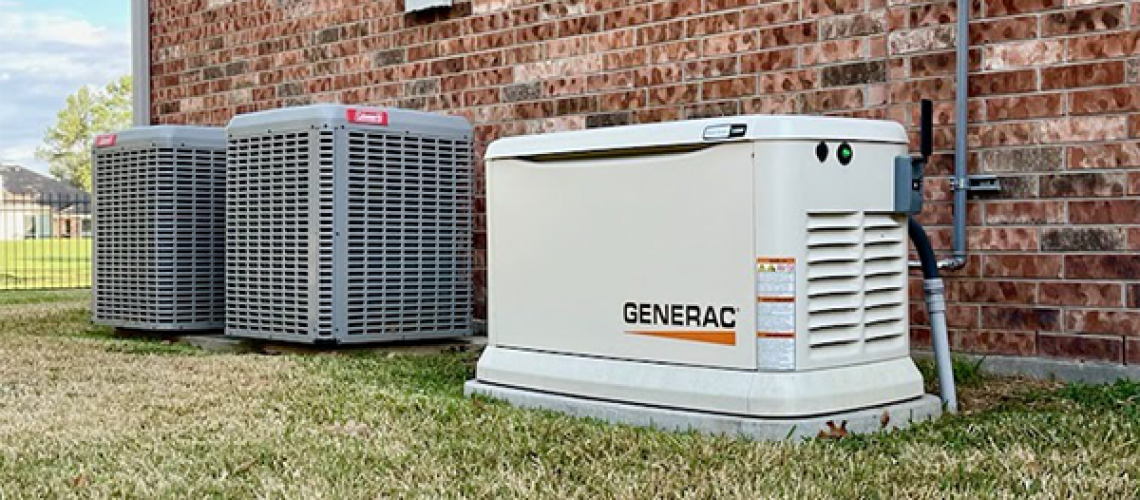
A standby generator is a permanent backup power system that keeps your home running when the grid goes dark. This guide is for homeowners who want clear answers before they install a standby generator.
By the end, you’ll know exactly what to expect and how to choose the right home standby generator installer.
What Is a Standby Generator and How Does It Work?

A standby generator sits outside your home, usually on a concrete pad. It ties straight into your electrical panel and runs on a dedicated fuel supply, typically natural gas or propane.
When the power goes out, the system reacts fast. An automatic transfer switch detects the outage. The generator starts within seconds. Your home switches to backup power without you having to lift a finger.
When utility power returns, the system reverses itself. The generator shuts off. Everything resets quietly.
Step-by-Step Standby Generator Installation Process
Home Assessment and Load Calculation
Standby generator installation always starts with a home assessment. The installer reviews your electrical usage to calculate how much power your home actually needs during an outage.
This step decides the generator size. A proper load calculation keeps the system efficient and avoids regret later.
Permits and Local Code Requirements
Before any equipment arrives, permits and approvals are secured. Electrical and gas codes exist for a reason, and skipping them can stop an installation in its tracks.
A licensed home standby generator installer handles this process, works with inspectors, and ensures everything meets local requirements so you do not inherit legal or safety issues.
Generator Placement
The generator is installed outside the home with strict spacing rules. Clearance from doors, windows, and vents is important for airflow and safety.
Placement also affects noise levels and future maintenance access. This is not about convenience. It is about function and compliance.
Electrical and Fuel Line Connection
Electricians connect the generator to your panel using an automatic transfer switch, while gas professionals handle the fuel line. Every connection must be exact.
Loose wiring or improper gas pressure can shut the system down when you need it most. Both steps must be precise.
System Testing and Final Inspection
Once everything is connected, the system is tested under real conditions. The generator runs, power transfers, and inspectors verify the work.
Only after it passes inspection is the standby generator installation considered complete. If this step is rushed, problems surface during the first outage.
Standby Generator Installation Cost
Standby generator installation varies based on the size of your home, its electrical load, and the complexity of the installation. Homes with lower power demands typically require smaller systems, while larger homes needing full-house coverage call for more robust setups.
If you’re wondering what’s involved in installing a standby generator, the real determining factors are your home’s electrical requirements and the specific installation conditions.
What Affects the Cost of Installing a Standby Generator?
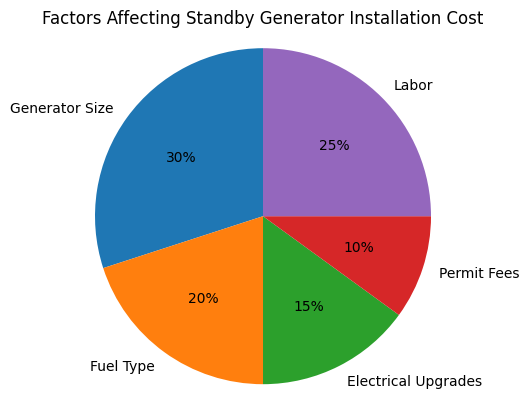
Several factors influence how much you’ll pay.
1. Generator size
Generator size is based on how much power your home needs during an outage. Larger homes with more appliances require higher-capacity units, which increases the total installation cost.
2. Fuel type
Homes with existing natural gas lines often see lower installation costs. Propane systems can cost more due to tank installation and additional setup.
3. Electrical upgrades
Older electrical panels may not be able to safely support a standby generator. Panel upgrades add labor and materials to the overall project.
4. Permit fees and inspections
Permit and inspection costs vary depending on local regulations. Some areas require multiple approvals, which can raise the final price.
5. Installation complexity
Longer wiring distances, concrete pads, or gas trenching increase labor time. More complex installations require more coordination between trades.
Common Mistakes to Avoid During Standby Generator Installation
- Skipping professional installation and attempting a DIY setup
- Choosing a generator that is too small to handle essential home loads
- Oversizing the generator and paying for unused power capacity
- Ignoring local electrical, gas, and zoning codes
- Installing the generator too close to windows, doors, or vents
- Hiring unlicensed or uninsured contractors
- Failing to include an automatic transfer switch
- Overlooking fuel supply limitations or gas pressure requirements
- Not upgrading an outdated electrical panel when needed.
- Choosing price over installer experience and reputation
- Skipping proper system testing after installation
- Forgetting about long-term maintenance access and service clearance
These mistakes often don’t show up immediately. They surface during the first real outage, when reliability matters most.
Generac Standby Generator Installation
Generac standby generator installation in Broward remains a top choice for homeowners because the systems are reliable, automatic, and built for long-term use. The installation process focuses on correct sizing, clean electrical work, and strict code compliance.
No rushed jobs. No unnecessary upgrades. Homeowners choose us because the system works when it matters, without drama or guesswork. If you’re ready to install a standby generator and want it done right from day one, this is where it begins.
Final Thoughts
A standby generator is one of those upgrades you only truly appreciate when the power goes out, and your home keeps humming as if nothing happened. The right system, installed properly, removes stress, protects your appliances, and keeps daily life moving without interruption.
If you want a solution that’s done once and done right, Generator Supercenter of Broward is a trusted choice. Handle various standby generator installations from start to finish, provide ongoing maintenance, and supply reliable Generac generators, all under one roof. When the lights go out, it pays to know who you can count on.