

 Showroom
 Your Home
 Install & Service
 Products
 Why Buy A Generator
 About Us
 Generator Maintenance
 Locations
Power outages are disruptive. Food spoils. Work stops.
Comfort disappears fast. A generator paired with the right transfer switch changes that experience. It brings order, safety, and control when the grid goes dark.
Benefits of a Transfer Switch for Home Backup Power
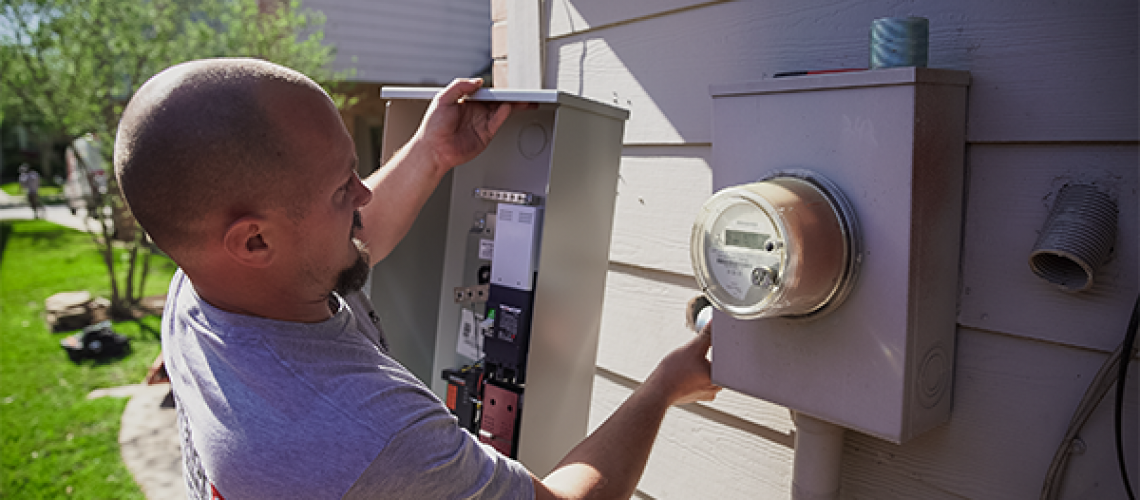
A transfer switch protects your home and everyone inside it by controlling how backup power flows during an outage. It prevents dangerous backfeeding that can damage appliances and put utility workers at risk, while delivering stable power to the circuits that matter most.
Lights remain available where they are needed, refrigerators stay cold, and medical equipment continues to run without interruption. It also removes uncertainty by eliminating extension cords, reducing overload risks, and keeping power distribution under one controlled, dependable system.
Types of Transfer Switches
Manual transfer switches
Manual transfer switches rely on homeowner action during an outage. When utility power fails, you physically move the switch to redirect electricity from the generator to selected circuits.
This setup is straightforward and budget-friendly, with fewer components that can fail. It fits well with portable generators and smaller homes where only essential circuits need power.
The trade-off is response time. Power restoration depends entirely on someone being present and able to operate the switch safely.
Automatic transfer switches (ATS)
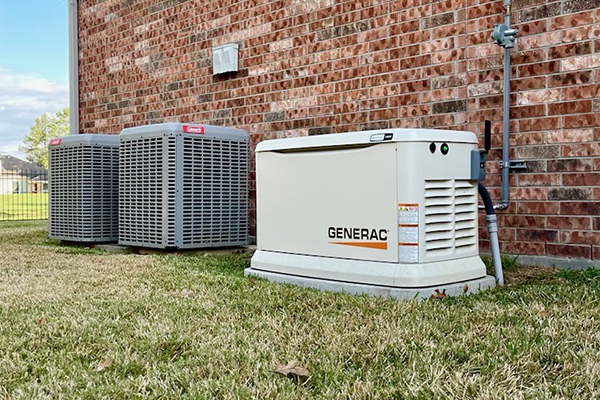
Automatic transfer switches (ATS) operate without human input. The moment utility power drops, the switch signals the generator to start and transfers the electrical load within seconds.
This seamless response makes ATS systems common in standby generator setups and in homes where continuous power matters. They cost more and involve more complex installation, but they eliminate delay, manual effort, and the risk of improper switching.
For homeowners who want uninterrupted power with zero intervention, this option delivers that reliability.
How to Install a Generator Transfer Switch
Step 1: Perform a load calculation
The installer identifies which circuits will receive backup power. This step prevents overload and determines the correct switch size. It also defines whether the system will support essential circuits or the entire home.
Step 2: Select the correct transfer switch
The switch is matched to the generator type, amperage rating, and home electrical panel. Manual and automatic systems require different hardware and wiring layouts.
Step 3: Secure permits and confirm code requirements
Local electrical codes dictate placement, wiring methods, and inspection rules. Permits are pulled before any work begins to ensure compliance and safety.
Step 4: Mount the transfer switch near the main panel
The switch is installed adjacent to or integrated with the electrical panel. Placement allows clean wiring paths and easy access during operation or servicing.
Step 5: Install the generator inlet and power connections
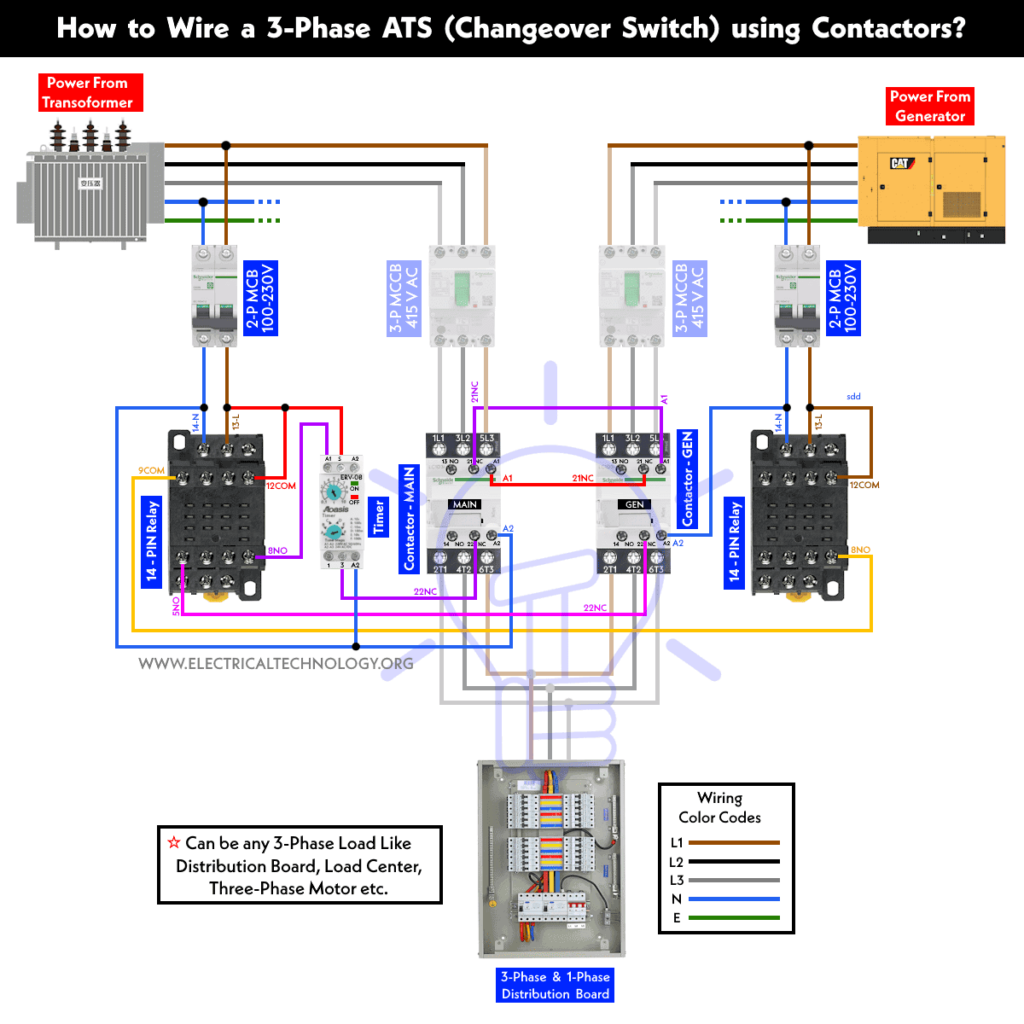
Wiring is run between the transfer switch, the main panel, and the generator inlet. This creates a controlled path for power flow and blocks utility backfeed.
Step 6: Add control wiring for automatic systems
For automatic transfer switches, communication cables connect the generator to the switch. This allows the system to detect outages and respond instantly.
Step 7: Test the system under real conditions
Utility power is shut off to simulate an outage. The switch is observed as it transfers load, starts the generator, and restores power to selected circuits.
Step 8: Complete inspection and final approval
A local inspector verifies the installation meets code standards. Once approved, the system is cleared for regular use.
A transfer switch installation demands precision. Every step affects safety, performance, and reliability. This work belongs in the hands of a licensed electrician who understands both the generator and the home it protects.
How to Choose a Transfer Switch
Choosing the right transfer switch starts with your generator type, since portable and standby systems require different switch designs. Amperage ratings matter just as much because an undersized or mismatched switch can cause shutdowns or system failure during an outage.
You also need to decide how much of your home you want powered, whether that means only essential circuits or full-house coverage. Response time plays a role as well: manual switches give you direct control, while automatic switches restore power instantly.
A qualified installer helps balance these choices, because the wrong switch will shape how your home functions every time the power goes out.
Maintenance Tips for Generator Transfer Switches
- Keep the area around the transfer switch clear at all times.
- Debris and moisture increase the risk of corrosion and electrical faults.
- Inspect the system after storms or electrical surges.
- These events place added stress on internal components and connections.
- Use the same technician for both generator and transfer switch servicing.
- Familiarity with the system improves accuracy and long-term reliability.
- Test the transfer switch under load on a regular schedule.
- This confirms smooth power transfer during real outage conditions.
- Record every inspection, test, and service visit.
- Service history speeds up and improves troubleshooting.
- Watch for warning lights, delays, or unusual sounds.
- Early signs often indicate issues before failure.
- Treat the transfer switch as a critical system component.
- If it fails, the generator cannot deliver power.
- Choose the right switch, install it correctly, and maintain it consistently.
- Backup power only works when every part performs as intended.
Bottom Line
A generator is only as dependable as the transfer switch that controls it. When both are properly matched, installed, and maintained, power outages become manageable instead of disruptive.
The right setup protects your home, your appliances, and the people inside, while removing uncertainty during emergencies. For homeowners in South Florida who want backup power done correctly, Generator Supercenter of Broward provides generator installation, maintenance, and repair services backed by local expertise.
Their team ensures every system is built for reliability, safety, and real-world outages, so your home stays powered when it matters most. Contact us today!