
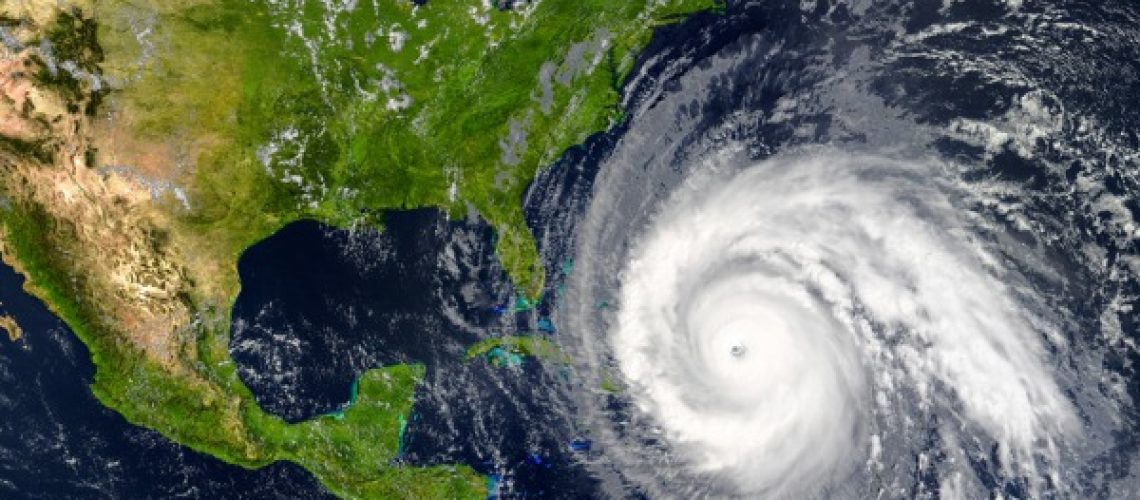
When a hurricane cuts the power, a generator can keep your home running. It can also create serious safety risks if it is used the wrong way. Carbon monoxide, electrical shock, fire, and unsafe wiring mistakes are some of the biggest concerns. That is why generator safety during a hurricane matters just as much as having backup power.
For Broward homeowners, storm preparation should include more than stocking supplies. It should also include knowing how to use a generator safely, where it should be placed, and what mistakes to avoid before the next outage happens.
Why generator safety matters during a hurricane
Hurricane conditions make generator use more dangerous. Homes are often sealed up, outdoor areas may be wet or flooded, and people are usually trying to restore power fast. That pressure can lead to rushed decisions, and rushed decisions around generators can be dangerous.
The safest approach is to prepare before the storm arrives. That means knowing where the generator should go, how it should be connected, and how to keep your household protected while it runs. If you are preparing for storm season, it also helps to review hurricane preparation tips before severe weather is already on the way.
Keep the generator outside and away from the house
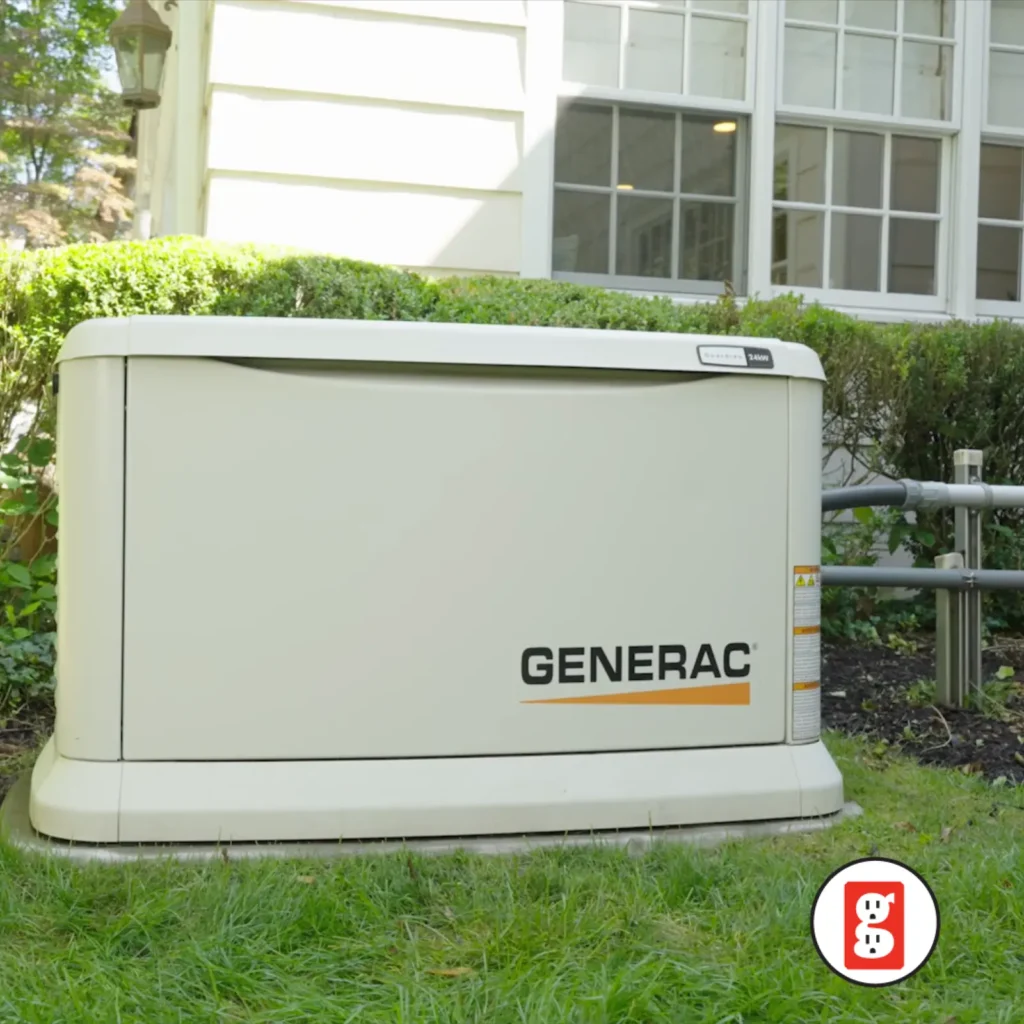
A generator should never run inside the home, garage, carport, porch, shed, or any enclosed or partially enclosed space. It should stay outside and at least 20 feet away from doors, windows, and vents.
This matters because generator exhaust can still enter the home if the unit is too close to an opening. Even if the generator is technically outdoors, poor placement can still create a carbon monoxide risk.
This is one reason proper planning matters. If you are considering a permanent setup, it helps to read about where to place a generator before storm season starts. Placement affects safety, performance, and code compliance. A poorly placed unit can create problems that are easy to miss until the next outage hits.
Protect your home from carbon monoxide
Carbon monoxide is one of the most serious generator-related risks because you cannot see it or smell it. A generator may be outdoors, but fumes can still drift into the home if the unit is too close or poorly positioned.
Every home using a generator should have working carbon monoxide alarms. If the alarm goes off, everyone should get out right away and move to fresh air. Do not stay inside to investigate first.
This is where a professionally installed standby unit can make a difference. A planned setup is safer than a last-minute emergency solution placed wherever there is space.
Never run a generator in wet or flooded conditions
Hurricanes bring wind and rain, but water and electricity never mix well. A generator should not be used in standing water or in an area where the ground is soaked and unsafe.
If you want a more reliable storm-season setup, generator installation is worth considering. A permanent standby system is designed around the property layout, the electrical system, and the conditions the equipment may face during severe weather. That gives homeowners a stronger backup plan than trying to manage a temporary setup in the middle of a storm.
Never connect a generator directly to home wiring

One of the most dangerous mistakes a homeowner can make is plugging a generator into a wall outlet or using improvised wiring to power the home. This is called backfeeding, and it can create serious electrical hazards for your home, nearby properties, and utility workers restoring power.
A safer long-term option is a standby system with a proper transfer switch. A transfer switch helps move power from the generator to the home’s electrical system without unsafe shortcuts. It also makes the system easier to use during a hurricane, especially when power goes out suddenly.
Choose the right generator size for your home
Not every generator is built for the same load. A unit that is too small may struggle to support the home during an outage, especially if large appliances or cooling systems need power.
Generator Supercenter of Broward offers a range of residential Generac standby models, including 18kW, 22kW, 24kW, 26kW, 32kW, 40kW, 48kW, and 60kW systems. If you want to compare options, take a look at their home standby generator models.
Choosing the right size helps protect the system from overload and gives you a better chance of keeping the most important parts of the home running when the grid goes down.
Know which generator type fits hurricane season best
If you are still comparing options, the guide on types of home generators is a helpful place to start.
Portable models may work for light, temporary needs, but they often require more manual setup and more careful handling during bad weather. Standby generators are usually the better fit for homeowners who want automatic backup power, more coverage, and less stress during a storm.
Keep up with maintenance before storm season
A generator only helps if it starts when you need it. That is why maintenance should happen before hurricane warnings begin.
Maintenance, inspections, and system checks can catch issues early and reduce the risk of being left without backup power when the weather turns. If you are building a full storm plan, a power outage checklist for hurricane season can also help you prepare the essentials before the lights go out.
Storm preparation should not begin when the outage starts. It should begin while the weather is still calm.
Conclusion
Generator safety during a hurricane comes down to a few simple rules that should never be ignored. Keep the generator outside and at least 20 feet away from doors, windows, and vents. Protect your home from carbon monoxide. Avoid wet operating conditions. Never plug a generator into a wall outlet or use unsafe wiring shortcuts. And make sure the system is ready before storm season starts.
For homeowners who want a safer and more dependable backup power solution, a professionally installed standby system is often the smarter answer. Explore a whole house generator, compare home standby generator models, and learn more about generator installation from Generator Supercenter of Broward.