
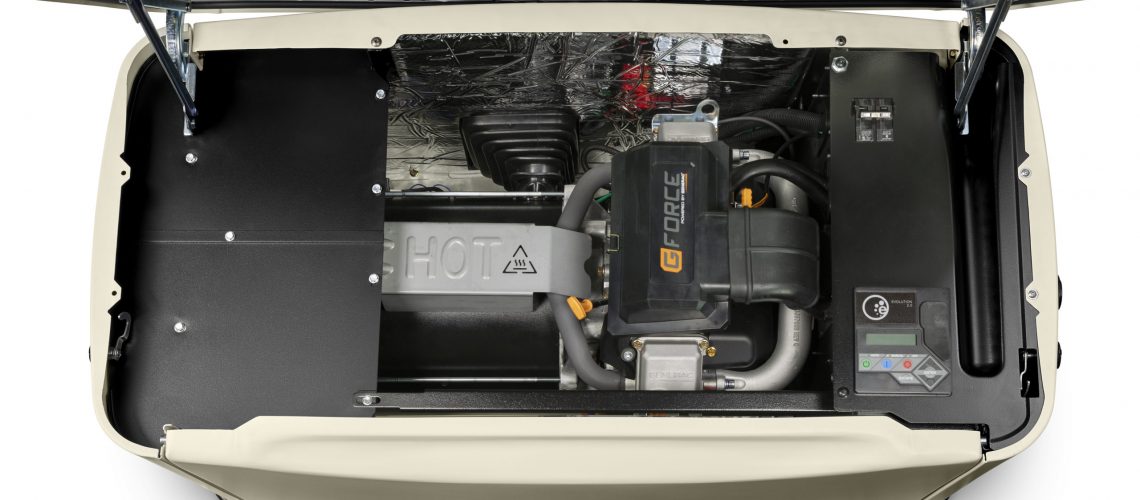
Generator corrosion prevention starts with keeping the unit clean, dry, and protected from moisture. Regular care, including proper cleaning, inspections, and using approved protective products when needed, can help reduce the risk of rust and corrosion.
Humidity, rain, salt in the air, dirt, and damaged paint can all increase the risk of corrosion over time. This is especially important for outdoor generators in South Florida, where high humidity, heavy rain, and coastal air can expose equipment to moisture and salt.
Regular inspections and maintenance can help identify corrosion early and protect your standby generator from damage.
What Causes Generator Corrosion?
Corrosion occurs when metal is exposed to moisture and environmental conditions that cause it to deteriorate. Outdoor standby generators face these conditions throughout the year.
Common causes include:
- High humidity
- Rain and standing water
- Salt-laden air
- Dirt and debris
- Scratched or damaged paint
- Poor drainage
- Condensation
- Long-term exposure to harsh weather
Coastal areas can be especially challenging because salt in the air can speed up corrosion on exposed metal surfaces. Corrosion can also affect electrical connections, fasteners, and other components if it is allowed to continue.
Check Your Generator for Corrosion
Regular visual inspections are one of the simplest ways to catch corrosion early.
Look for:
- Rust spots
- Bubbling or peeling paint
- Discoloration
- Flaking metal
- Corroded fasteners
- Rust around hinges or seams
- Corrosion around electrical connections
- Water or moisture inside the enclosure
Pay particular attention to scratches or areas where the enclosure’s protective coating has been damaged. Generac recommends inspecting the enclosure and addressing damage to help protect the generator from corrosion. You can also review Generac’s corrosion inspection and protection guidance for manufacturer recommendations.
Keep the Generator Clean
Dirt, leaves, salt, and other debris can collect on an outdoor generator. Cleaning the exterior can help remove contaminants before they contribute to corrosion.
Keep the area around the generator clear and check the enclosure regularly. Do not use harsh chemicals or cleaning products unless they are approved for your generator’s materials.
If your generator is exposed to harsh weather conditions, consider additional protection recommended for your specific model. Avoid covering the generator in a way that blocks airflow, ventilation, or access to important components.
If the generator has been exposed to saltwater, flooding, or heavy storm debris, do not attempt to operate it until it has been checked by a qualified professional.
Protect Scratches and Damaged Paint
The enclosure helps protect the generator’s internal components from outdoor conditions. If the coating becomes scratched or damaged, exposed metal can become more vulnerable to corrosion.
Small surface damage should be addressed according to the manufacturer’s recommendations. Some Generac standby generator documentation recommends using approved touch-up paint on damaged enclosure areas to help protect against further corrosion.
Do not apply random paints, coatings, or chemicals to the generator. The correct product can vary by model and enclosure material.
Keep Water Away From the Generator
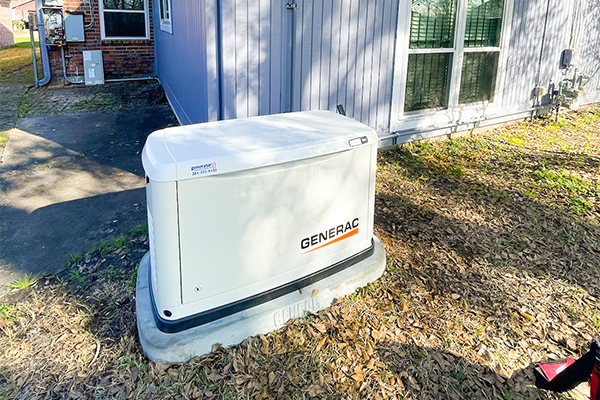
Good drainage is important for any outdoor standby generator.
The generator should not sit in standing water, and water should not collect around the base. Landscaping, mulch, soil, or other materials should not block drainage or airflow around the unit.
Proper placement can also help protect the generator from moisture and other environmental problems. See our guide on where to place a generator for more information about placement and clearance.
Check the Generator After Severe Weather
Heavy rain and storms can expose a generator to more moisture and debris than normal.
After severe weather, check the area around the unit for:
- Standing water
- Mud or debris
- Damaged landscaping
- Scratches
- Loose panels
- Signs of water entry
- New rust or discoloration
If the generator was submerged or exposed to flooding, do not restart it yourself. Have it inspected by a qualified professional first.
For more information, see our guide on generator maintenance after a hurricane.
Does Corrosion Affect Generator Performance?
Corrosion can eventually affect more than the generator’s appearance.
Depending on where corrosion occurs, it can contribute to:
- Poor electrical connections
- Increased resistance
- Damaged fasteners
- Enclosure deterioration
- Component damage
- Starting or operating problems
Corrosion on electrical connections deserves particular attention because damaged or degraded connections can affect system performance.
This is one reason routine inspections should look beyond the outside of the enclosure.
How Often Should You Check for Corrosion?
There is no single inspection schedule for every generator. However, homeowners should inspect their unit regularly, especially after heavy rain, storms, flooding, or periods of high humidity.
Generators in coastal areas may require closer attention because salt exposure can increase corrosion risk.
Regular generator maintenance gives a professional an opportunity to inspect the system and identify problems before they become more serious.
Can a Generator Coating Prevent Corrosion?
Protective coatings can create a barrier between metal surfaces and the environment. However, the coating must be suitable for the generator and applied correctly.
Some protective products are designed to help reduce moisture exposure on metal surfaces. However, homeowners should only use products approved for their generator model and follow manufacturer recommendations.
For a residential standby generator, avoid applying industrial corrosion products or coatings without professional guidance.
When to Call a Generator Professional
Call a generator professional if you notice:
- Significant rust
- Damaged enclosure panels
- Corrosion around electrical components
- Water inside the unit
- Signs that corrosion has affected generator operation
Professional inspection is also recommended after flooding or major storm exposure.
A technician can determine whether affected parts can be cleaned or repaired or whether replacement is needed. They can also check electrical connections and other components that may not be safe for homeowners to inspect.
Final Thoughts
Generator corrosion prevention comes down to regular inspection, proper cleaning, protecting damaged surfaces, and keeping water and debris away from the unit.
Using approved protective measures, maintaining proper drainage, and addressing corrosion early can help keep your standby generator in better condition.
If you notice rust or corrosion on your generator or want to make sure your system is ready for the next outage, Generator Supercenter of Broward can help you maintain your backup power system.
FAQs
What causes corrosion on a standby generator?
Moisture, humidity, salt in the air, rain, dirt, damaged paint, and poor drainage can all contribute to corrosion on an outdoor generator.
How can I prevent my generator from rusting?
Inspect the enclosure regularly, keep the generator clean, address damaged coatings, keep water from collecting around the unit, and follow the manufacturer’s maintenance recommendations.
Is generator rust a serious problem?
Surface rust may be minor, but corrosion that affects electrical connections, structural parts, or internal components can become a more serious issue. Have significant corrosion inspected by a professional.
Can I paint over rust on my generator?
Do not simply paint over rust. Follow the manufacturer’s recommendations for cleaning and repairing damaged enclosure coatings, or ask a qualified professional for help.
Does coastal air cause generator corrosion?
Yes. Salt-laden coastal air can increase the risk of corrosion, especially when combined with humidity and moisture.