

A generator for AC unit backup can help keep your home comfortable during a power outage. However, not every generator can run every air conditioner.
Your AC unit uses significant electricity, especially when it first starts. That initial surge of power is one of the main reasons generator sizing matters.
A properly sized standby generator may be able to run central AC, selected appliances, or more of your home. The right setup depends on your AC unit, electrical load, transfer switch, fuel type, and load management needs.
Can a Generator Run an AC Unit?
Yes, a generator can run an AC unit if it is sized and installed correctly.
A smaller generator may be enough for a window AC or portable AC unit. A larger standby generator may be able to support central air conditioning and other household essentials.
The main question is not only whether a generator can run your AC. It is whether the generator can run your AC while also supporting other systems you want during an outage, such as:
- Refrigerator
- Lights
- Wi-Fi equipment
- Security systems
- Pool equipment
- Medical devices
The answer depends on your home’s electrical demand and backup power goals.
Why AC Units Need So Much Power
Air conditioners often require more power when starting than when they are already running.
This is called startup load or starting watts. When the compressor turns on, it may require a larger burst of electricity before settling into normal operation.
This is why a generator may appear large enough based on running watts but still struggle when the AC starts.
Central AC systems usually require more power than smaller cooling systems. They may also start while other appliances are already running, increasing the total electrical demand.
Generac explains that choosing the right standby generator requires considering the home’s electrical needs, including major appliances and startup demands. You can read more about generator selection factors in Generac’s home standby generator guide.
What Size Generator Do You Need for an AC Unit?
There is no single generator size that works for every AC system.
The correct generator size depends on:
- AC unit size and tonnage
- Starting watts and running watts
- Home electrical load
- Appliances you want powered
- Fuel type
- Transfer switch setup
- Load management needs
AC tonnage is an important factor, but it does not tell the complete story. A 2-ton AC unit may require less power than a 5-ton system, but efficiency rating, compressor type, age, and electrical setup can also affect demand.
This is why a professional load review is recommended before selecting a generator. A qualified technician can evaluate your AC system and home requirements.
For more information, this generator sizing guide explains how professionals determine the right generator capacity.
Can a Whole House Generator Run Central AC?
Yes, a whole-home generator may be able to run central AC. However, it depends on the generator size and how the system is configured.
Some standby generators are designed to support selected circuits, while others can power more of the home. If central AC is a priority, it should be included during the initial generator planning process.
For example, one homeowner may only need backup power for:
- Refrigerator
- Lights
- Internet
- Essential outlets
Another homeowner may want to power:
- Central AC
- Pool equipment
- Freezer
- Kitchen appliances
- Multiple rooms
These homes may require very different generator solutions.
If you are comparing backup options, this guide on what is a home standby generator explains how standby systems work.
Why Load Management May Be Needed
Load management helps control which appliances operate during an outage.
Large appliances can create high demand when they start. If multiple systems turn on at the same time, the generator may become overloaded or temporarily reduce available power.
Load management systems can help prioritize important appliances and prevent multiple high-demand devices from starting together.
Generac explains that Smart Management Modules help manage electrical loads by controlling when certain appliances receive power.
Load management does not increase the generator’s capacity. Instead, it helps the system use available power more efficiently.
Can a Portable Generator Run an AC Unit?
A portable generator may run a smaller AC unit depending on the generator capacity and the AC’s power requirements.
However, portable generators are usually not the preferred option for central air conditioning or whole-home comfort because they require:
- Manual setup
- Fuel handling
- Outdoor operation
- Safe electrical connections
A standby generator is permanently installed and can automatically provide backup power when properly installed.
This guide on types of home generators explains the differences between standby, portable, and inverter generators.
Signs Your Generator May Not Be Sized for Your AC
If you already have a generator, certain issues may indicate a sizing or load management problem.
Common signs include:
- AC will not start during an outage
- Generator shuts down when AC starts
- Lights flicker heavily
- Generator shows error codes
- Generator sounds strained
- Only part of the home receives power
These issues do not always mean the generator is damaged. The system may need service, improved load management, or a sizing review.
Transfer Switch Setup Matters
A standby generator that supports AC must be installed with the correct electrical setup.
The transfer switch manages the connection between utility power and generator power. It helps ensure the system switches safely during an outage.
Generac explains that automatic transfer switches are a key part of standby generator systems because they automatically move the home between utility and generator power sources.
Learn more about this component in our guide on generators and transfer switches.
Generator Installation and Maintenance Matter
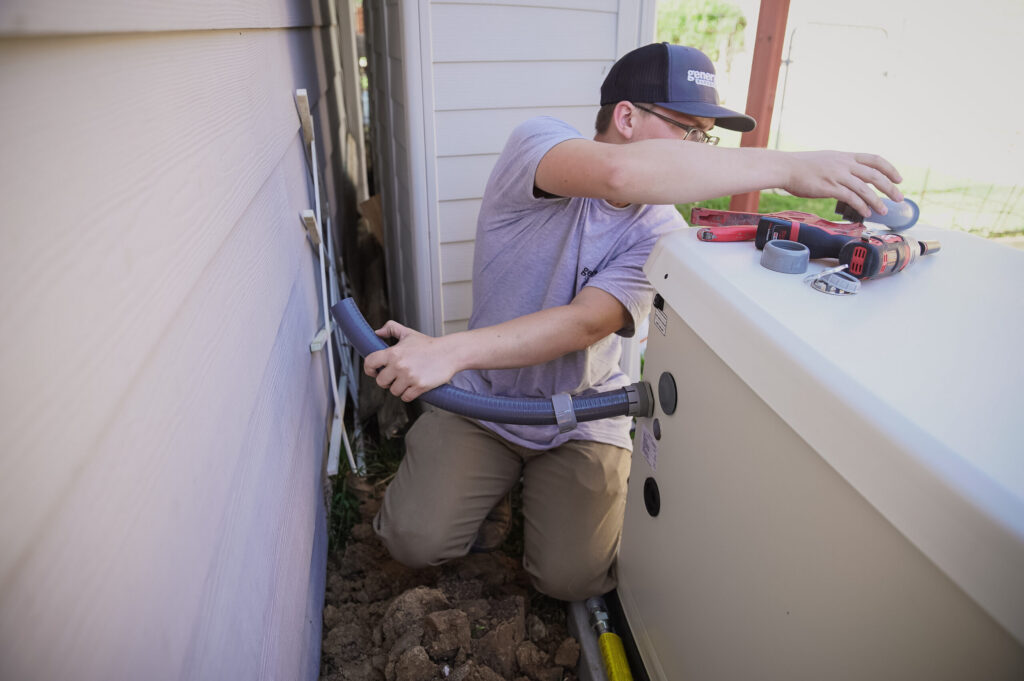
A standby generator that supports AC must be installed correctly. Installation may involve:
- Generator placement
- Transfer switch installation
- Electrical panel connection
- Fuel supply setup
- Load management equipment
- Local code requirements
Homeowners should not attempt DIY standby generator installation. These systems connect to major electrical and fuel components and require professional handling.
Maintenance is also important. Even a properly sized generator may struggle if the battery is weak, oil is low, filters are dirty, or warning alerts are ignored.
Regular generator maintenance helps confirm the system is ready before an outage.
Need a Generator That Can Support Your AC Unit?
If you are choosing a generator for AC unit backup, Generator Supercenter of Broward can help you understand your options.
A qualified generator professional can review:
- AC power requirements
- Home electrical demand
- Transfer switch setup
- Fuel source
- Backup priorities
Do not choose a generator based only on home size. Your AC system and other major appliances can significantly affect your actual power needs.
When to Call a Professional
A generator professional should review your system before installing a generator for AC backup.
Professional help is especially important if:
- You want central AC backup
- You have a large home
- You have multiple high-power appliances
- You use pool equipment
- You need whole-home backup
- Your current generator struggles with AC startup
- You are unsure about generator sizing
For installation, troubleshooting, or system review, contact Generator Supercenter of Broward for professional guidance.
Final Thoughts
A generator for AC unit backup can help keep your home comfortable during a power outage, but the system must be properly sized and installed.
Your generator needs to handle the AC’s startup demand, running power, and the other household loads you want to support.
Load management, transfer switch setup, fuel type, installation, and maintenance all affect how well your backup system performs.
For help choosing a standby generator that can support your air conditioning and other home systems, contact Generator Supercenter of Broward for professional guidance.
FAQs
Can a generator run an AC unit?
Yes, a generator can run an AC unit if it is properly sized for the system’s starting and running power requirements.
What size generator do I need to run central AC?
The required size depends on your AC unit, startup demand, running watts, and what other appliances you want powered during an outage.
Can a portable generator run central AC?
Some larger portable generators may support certain AC systems, but central AC requires careful sizing and safe installation.
Why does my generator trip when my AC turns on?
The AC may require more startup power than the generator can provide. It may also indicate overload, wiring, breaker, or load management issues.
Do I need load management for my AC unit?
You may need load management if your AC has high startup demand or if you want to run multiple major appliances during an outage.