
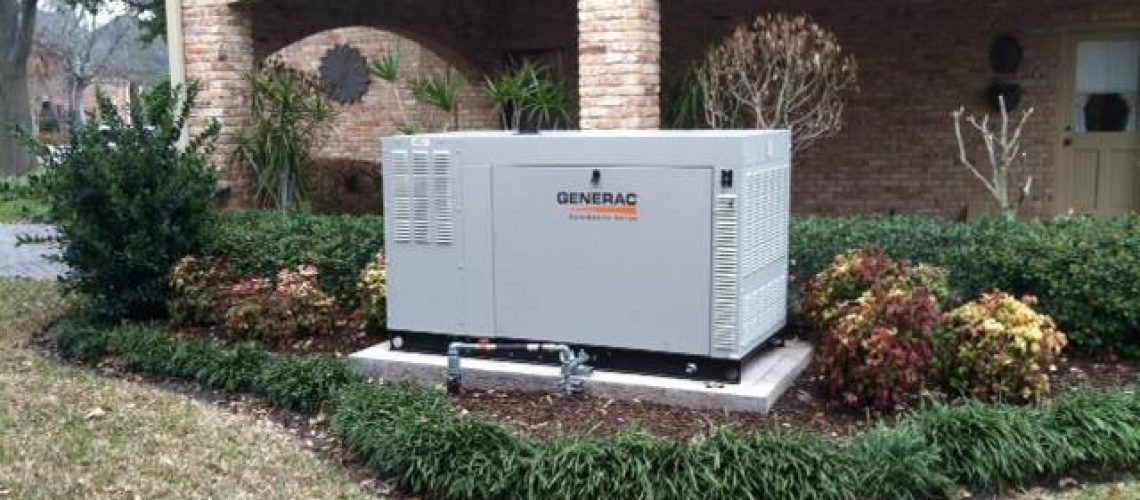
A generator running but not powering the house can feel confusing.
You hear the generator start. The engine sounds like it is working. But inside the home, the lights stay off, the AC does not start, and your outlets still have no power.
This usually means the generator started, but power is not reaching your home’s electrical panel. The issue may involve the transfer switch, breaker, load management system, wiring, control panel, or generator output.
Some basic checks are safe for homeowners, but anything involving the transfer switch, electrical panel, or generator wiring should be handled by a qualified generator technician or licensed electrician.
What It Means When a Generator Runs but the House Has No Power
A standby generator does not just turn on and instantly power the home by itself.
Several things need to happen first.
The generator must start. Then it must produce power. After that, the transfer switch must detect the outage and move selected circuits or the home’s electrical load from utility power to generator power.
If one part of that process fails, the generator may run without powering the house.
In simple terms, the engine may be working, but the power is not being delivered where it needs to go.
Common Reasons Your Generator Runs but Does Not Power the House
If your generator is running but your home still has no power, the issue is usually somewhere between the generator, transfer switch, electrical panel, or load management system.
Here are the most common causes.
The Generator Breaker Is Off or Tripped
A standby generator has a breaker that helps send power from the generator to the transfer switch. If this breaker is off or tripped, the generator may run, but the house may not receive power.
This can happen after an overload, fault, or recent service work. If the breaker trips again, call a generator technician instead of forcing it back on.
The Transfer Switch Did Not Transfer Power
The transfer switch moves your home from utility power to generator power during an outage.
If it fails, the generator may start normally but never send power to the home. This can be caused by a wiring issue, failed component, sensing problem, or lack of maintenance.
Because the transfer switch connects to your home’s electrical system, it should only be inspected by a qualified professional.
The Generator Is Not Producing Power
Sometimes the engine runs, but the generator is not producing usable electricity.
This may involve the alternator, voltage regulator, control board, breaker, or internal wiring. A technician can test the generator output safely and confirm whether the unit is producing the correct voltage.
The Generator Is Overloaded
A generator can only handle a certain electrical load.
If too many large appliances start at once, such as the AC, pool pump, refrigerator, or electric water heater, the system may trip, shed loads, or fail to power certain parts of the home.
This may mean the generator needs service, better load management, or a sizing review.
The Control Panel Shows an Error Code
Modern standby generators often display alerts or fault codes.
These codes can point to issues with voltage, overload, battery, oil pressure, transfer switch communication, or maintenance needs. If you see a warning code, do not ignore it. Share it with a generator technician so they can diagnose the problem faster.
Wiring or Connection Issues Are Blocking Power
Loose, damaged, or corroded connections can stop power from reaching the home.
Outdoor generators are exposed to heat, rain, humidity, insects, and debris. Over time, these conditions can affect wiring and electrical connections.
If you notice flickering power, repeated breaker trips, buzzing, burning smells, or transfer issues, schedule professional service.
Safe Things Homeowners Can Check First
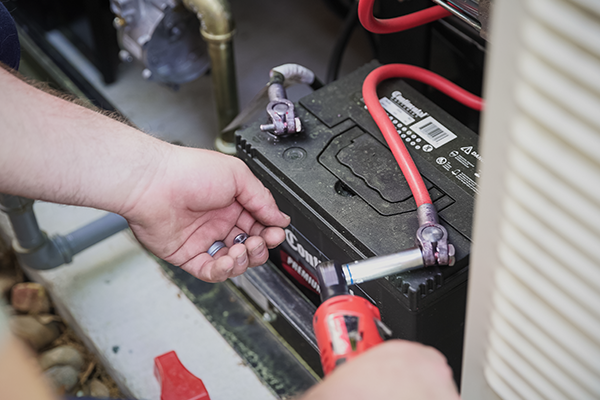
Before calling for service, homeowners can do a few basic visual checks.
Only check what feels safe and familiar. You can look at:
- Whether the generator is running normally
- Whether the home has partial power or no power
- Whether the control panel shows an alert
- Whether the generator made its usual transfer sound
- Whether only one appliance or area is affected
- Whether neighbors also lost power
- Whether the generator recently had maintenance
- Whether your monitoring system sent an alert
Do not touch electrical parts, open panels, force breakers, or manually operate the transfer switch unless you are trained and the manufacturer’s instructions clearly allow it.
You should also avoid bypassing the system, plugging the generator into a wall outlet, removing electrical covers, or repeatedly resetting breakers that continue to trip.
A standby generator is part of your home’s electrical system. Unsafe troubleshooting can create shock hazards, fire risks, equipment damage, or dangerous backfeeding.
If the generator is running but the home still has no power, it is usually time to stop troubleshooting and call a qualified generator technician.
How Professional Generator Service Diagnoses the Problem
A technician will not rely on guesswork.
A service visit may include:
- Checking the generator control panel
- Reviewing active and stored error codes
- Inspecting the generator breaker
- Testing voltage output
- Checking the transfer switch
- Inspecting wiring and connections
- Reviewing load management devices
- Testing battery and charging system
- Checking oil and fuel-related issues
- Running the generator under safe test conditions
This helps confirm whether the issue is with the generator itself, the transfer switch, the home’s electrical connection, or the load being placed on the system.
How Maintenance Helps Prevent Power Transfer Problems
Routine standby generator maintenance can help catch problems before an outage.
A maintenance visit may reveal weak batteries, loose wiring, control panel alerts, transfer switch issues, low oil, worn parts, blocked airflow, pests, corrosion, or failed exercise cycles.
It also allows the technician to test whether the generator starts and transfers power properly.
This is important because a generator may start during its weekly exercise cycle but still fail to power the home during a real outage if the transfer process is not working correctly.
Maintenance gives homeowners more confidence that the full system is ready, not just the engine.
When This Problem May Point to Generator Sizing Issues

If your generator powers some parts of the home but struggles when larger appliances start, the problem may be related to sizing or load management.
For example, your generator may handle lights and refrigeration but struggle when the AC, pool pump, or other large loads turn on.
That does not always mean the generator is broken. It may mean the system needs better load management or that the generator was not sized for the way the home is being used.
A qualified generator professional can review your home’s electrical load and explain your options.
Final Thoughts
A generator running but not powering the house usually means the engine started, but the power did not reach your home properly.
The cause may be a tripped generator breaker, transfer switch failure, generator output problem, control panel alert, wiring issue, overload, or load management problem.
Some basic visual checks are fine, but homeowners should not attempt unsafe electrical troubleshooting. If your standby generator starts but your house still has no power, contact a qualified generator professional.
Generator Supercenter of Broward can help diagnose generator service issues, inspect transfer switch concerns, and support standby generator maintenance so your backup power system is ready when it matters.
FAQs
Why is my generator running but not powering the house?
Your generator may be running without powering the house because of a transfer switch issue, tripped generator breaker, output problem, overload, wiring issue, or control panel fault.
Can a transfer switch stop my generator from powering my home?
Yes. If the transfer switch does not move power from the utility source to the generator source, the generator may run while the house remains without power.
Should I reset the generator breaker myself?
Only reset breakers if you know the system, it is safe, and the manufacturer’s instructions allow it. If the breaker trips again or you are unsure, call a generator technician.
Why does my generator power only part of the house?
This may be normal if your generator is designed to power selected circuits. It may also be caused by load management settings, breaker issues, or a problem with specific circuits.
When should I call for generator service?
Call for generator service if the generator runs but the house has no power, warning codes appear, breakers keep tripping, the transfer switch does not respond, or the issue happens repeatedly.