
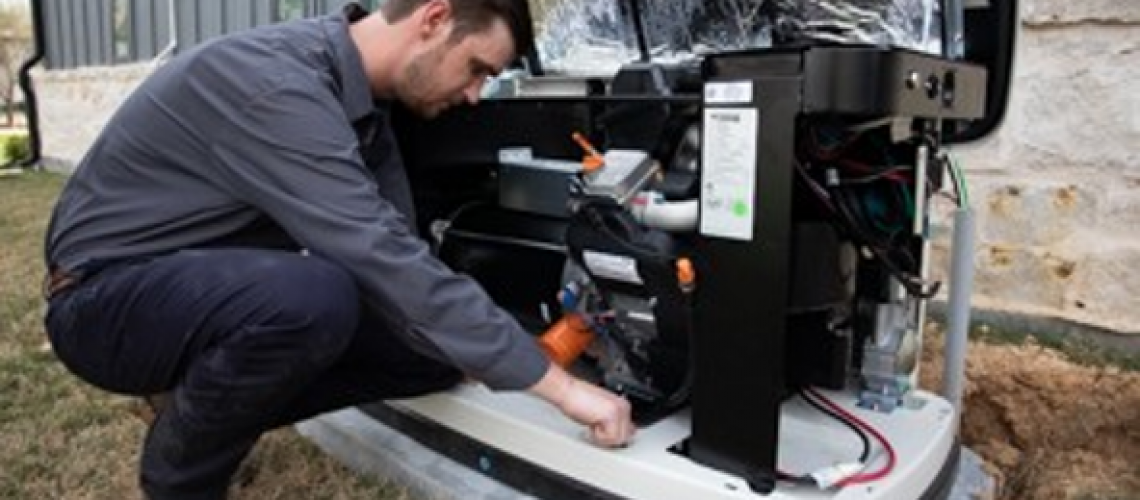
A Generac generator runs on specific fuel sources, depending on the model and its installation. Fuel choice affects runtime, reliability, operating cost, and maintenance.
Understanding these options helps homeowners and businesses choose the right setup before installation.
Types of Fuel for Generac Generators
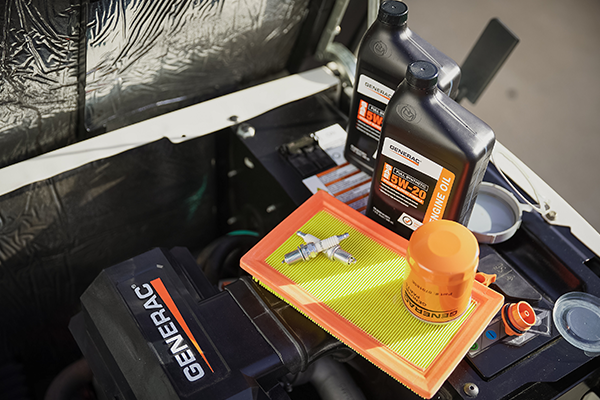
Natural Gas
Natural gas is the most common fuel for standby Generac generators. The generator connects directly to a utility gas line, which allows continuous operation during extended outages.
There is no need for refuelling, making it a strong option for homes with existing gas service.
Pros
- Continuous fuel supply from the utility line
- No refuelling required during long outages
- Lower fuel costs in many regions
- Cleaner burning than gasoline or diesel
Cons
- Requires access to a natural gas line
- Gas service can be interrupted during major disasters.
- Installation may cost more if gas lines need upgrades.
Propane (Liquid Propane or LP)
Propane is often used when natural gas is unavailable. It is stored in an on-site tank and provides clean, stable performance.
Runtime depends on tank size and load usage. Propane is widely used in rural or off-grid locations.
Pros
- Reliable fuel source when natural gas is unavailable
- Long shelf life with no fuel degradation
- Cleaner combustion than gasoline or diesel
- Works well in rural and off-grid areas
Cons
- Limited runtime based on tank size
- Requires tank refills during extended outages
- Fuel costs are often higher than natural gas costs.
Diesel
Diesel-powered Generac generators are typically used for commercial or industrial applications. Diesel offers high energy density and strong performance under heavy loads.
These units are less common for residential use due to fuel storage needs and noise levels.
Pros
- High energy output for heavy electrical loads
- Strong performance for commercial use
- Fuel-efficient under continuous operation
- Durable engines built for long run times
Cons
- Requires on-site fuel storage
- Louder operation compared to gas options
- Higher emissions
- Less common for residential applications
Gasoline
Some portable Generac generators run on gasoline. These models are designed for short-term use, job sites, or emergency backup for select appliances.
Gasoline requires frequent refuelling and is not ideal for long outages.
Pros
- Widely available fuel
- Lower upfront cost for portable generators
- Easy to transport for short-term use
Cons
- Short fuel shelf life
- Requires frequent refuelling
- Unsafe to store in large quantities
- Not suitable for long outages or whole-home power
Advantages of a Generac Generator
- Multiple fuel options based on location and power needs
- Automatic startup during power outages for standby models
- Consistent power output for essential systems and appliances
- Wide range of residential and commercial generator sizes
- Strong service and parts availability nationwide.
Popular Generac Generator Lines
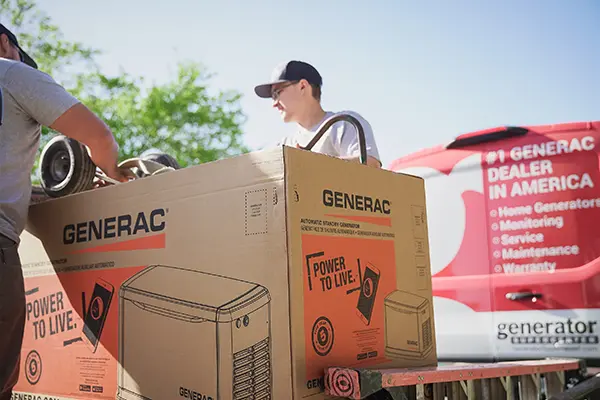
Guardian Series
The Guardian Series is built for residential standby power and is installed permanently outside the home. These generators typically run on natural gas or propane and activate automatically when utility power fails.
They are sized to power an entire home or selected essential circuits. Homeowners choose this series for hands-free operation and consistent performance during extended outages.
Protector Series
The Protector Series is designed for light commercial and industrial use where higher power demand is required. These generators support businesses, facilities, and critical operations that cannot afford downtime.
They handle larger electrical loads than residential models and are built for frequent or extended use. This series is often used by offices, retail locations, and small industrial sites.
Portable Generator Series
The Portable Generator Series is intended for temporary and mobile power needs. These models usually run on gasoline and require manual setup and startup.
They are commonly used for job sites, outdoor activities, or short-term emergency power. Unlike standby units, portable generators are not connected to a home’s electrical system and must be refuelled regularly.
Generally
Fuel choice directly affects generator performance, reliability, and long-term cost. Selecting the rightGenerac model starts with understanding the available fuel sources at your property.
Professional installation and ongoing service ensure safe operation and dependable backup power. For homeowners and businesses planning a Generac generator setup, working with experienced installation and repair specialists helps protect the investment and avoid downtime.Learn more with Generator Supercenter of Broward, contact us now!