
Power should support your day, not interrupt it. If you work from home or simply value a calm environment, generator noise quickly becomes more than a minor annoyance.
This guide breaks down which generators are the quietest, what those noise numbers really mean, and how to choose a model that keeps your space productive, comfortable, and neighbor-friendly.
What Is Considered a Quiet Generator?
A generator is considered quiet if it runs at 48-60 decibels. That’s about as loud as normal conversation. You can talk, think, and work without raising your voice.
At 70 decibels, the sound becomes noticeable and distracting. At 80 decibels, it’s hard to ignore. That’s when concentration drops, and neighbors start paying attention.
Decibels (dB) are a unit of measurement for how loud a sound is.
Think of decibels like a volume scale.
- 30 dB is a whisper
- 50–60 dB is normal conversation
- 70 dB sounds like a vacuum cleaner
- 80+ dB feels loud and tiring over time
The higher the number, the louder the sound.
Which Type of Generator Is the Quietest?
Inverter Generators (Quietest Option)
Inverter generators are the calm ones in the group. They adjust their engine speed based on how much power you’re using.
Less power needed means the engine slows down. A slower engine equals less noise.
Standby Generators (Quiet but Noticeable)
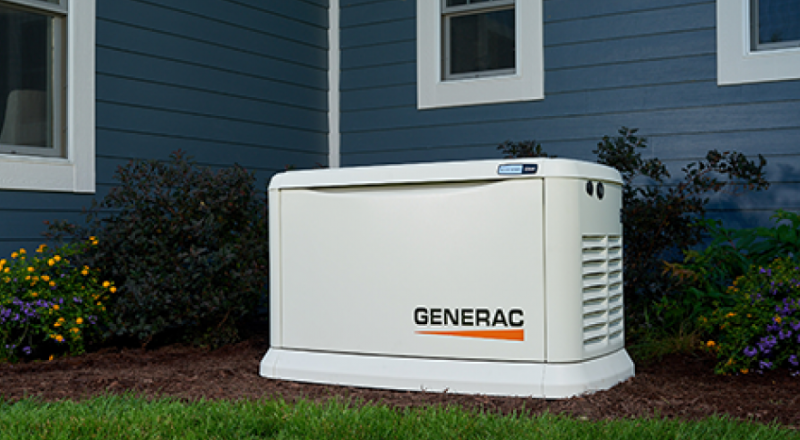
Standby generators are built for homes and kick on automatically during outages. They don’t adjust speed as smoothly as inverter generators, but they’re enclosed in sound-reducing cabinets that soften the noise.
You’ll hear them running, especially outside. But the sound is steady and controlled, not sharp or aggressive.
Conventional Portable Generators (Loudest)
These generators don’t know how to slow down. They run at full speed all the time, even when you’re barely using power.
That constant engine output creates more vibration and more noise. The sound is harsh and mechanical, like a lawnmower that never takes a break.
Quietest Standby Generators for Homes
If you want reliable backup power without turning your yard into a construction zone, these standby generators are known for controlled, residential-friendly sound levels.
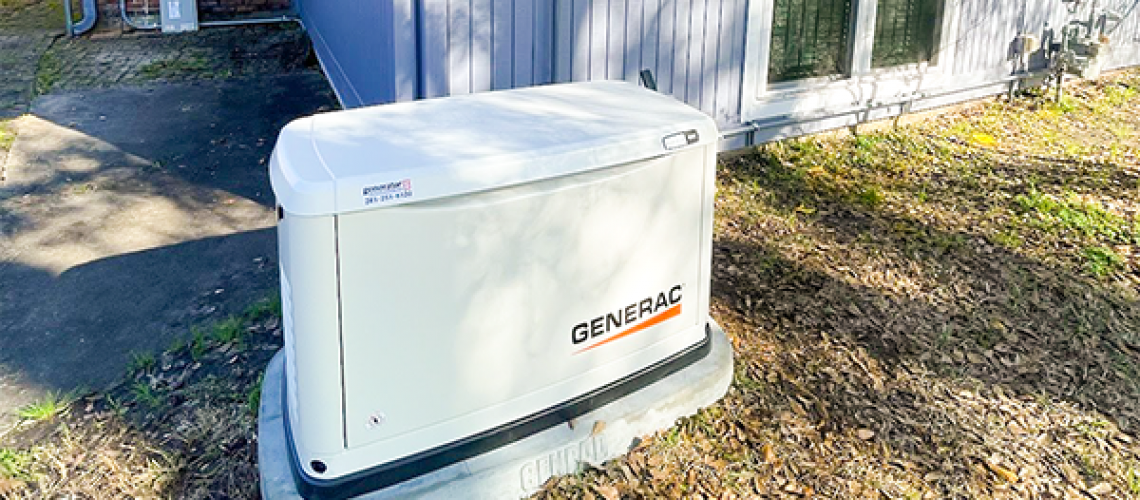
- Generac Generators
This is the benchmark for quiet standby power. Generac generators design these units with sound-reducing enclosures and smooth engine operation, keeping noise levels within most residential limits. You’ll notice it’s running, but it won’t overpower conversations or indoor work. - Kohler Standby Generators
Kohler units produce a deeper, lower-frequency sound. That matters because low tones feel less sharp and less irritating over long periods, even when the generator runs for hours. - Cummins Quiet Connect Series
Built with acoustic insulation and vibration control, these generators focus on steady, predictable noise output. The sound stays consistent, which makes it easier to tune out.
Most quiet standby generators range from 58 to 67 decibels. That’s loud enough to know they’re working, yet quiet enough to keep daily life moving without disruption.
How to Make a Generator Even Quieter
- Place it farther from the walls.
- Use sound-absorbing barriers
- Avoid hard reflective surfaces.
- Keep it properly maintained.
- Don’t overload it
Noise often spikes when a generator struggles.
Final Thoughts
Quiet generators change the entire backup power experience. Whether it’s an inverter model for low-demand needs or a standby system for full-home coverage, the right choice comes down to sound control and reliability, not just wattage.
If you want quiet power done right, Generator Supercenter of Broward delivers end-to-end support. They offer professional installation, dependable repair, and ongoing maintenance, along with access to trusted generator products built for residential use.
From selection to long-term care, they ensure your generator runs smoothly and stays as unobtrusive as possible when you need it most. Contact us today!