

 Showroom
 Your Home
 Install & Service
 Products
 Why Buy A Generator
 About Us
 Generator Maintenance
 Locations
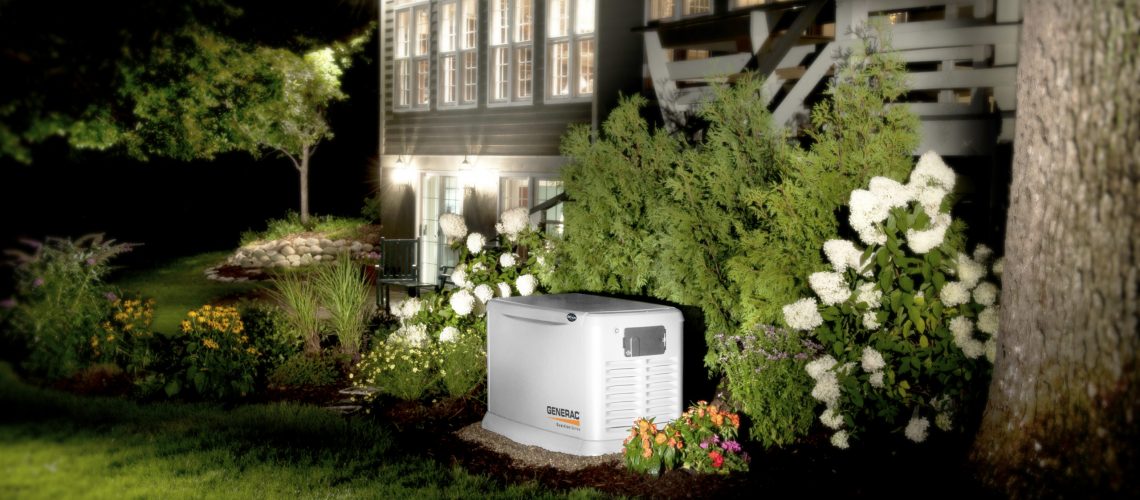
Generator placement affects safety, code compliance, and long-term performance. A poor location can lead to carbon monoxide exposure, overheating, or failed inspections.
Portable generators must run outdoors, at least 20 feet from your home, in a dry, well-ventilated area. Never use them in garages, basements, or near windows and vents. Standby generators are typically installed 18 to 60 inches from exterior walls and kept clear of vegetation and combustible materials.
Here’s where a generator should and should not be placed.
Why Proper Generator Placement Matters
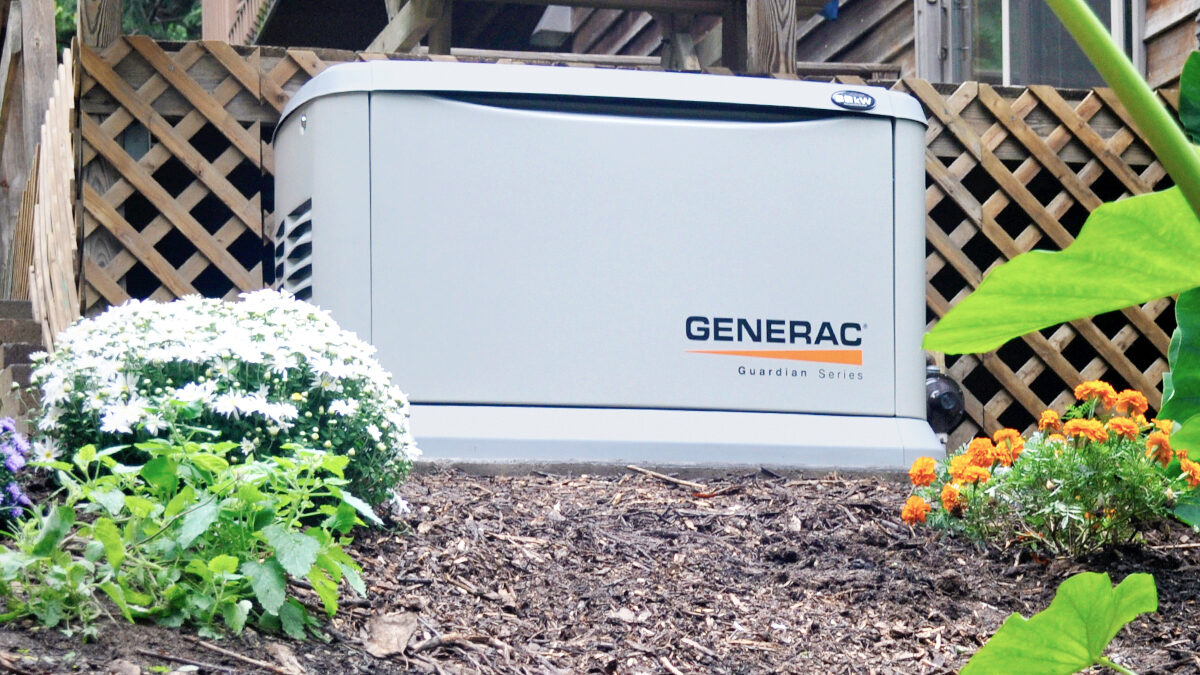
Improper positioning can allow carbon monoxide to enter living spaces, create fire hazards from trapped heat, trigger failed inspections, void manufacturer warranties, and even cause ongoing noise complaints from neighbors. When installed in the correct location with proper clearance and ventilation, a generator runs cooler, operates more efficiently, and delivers dependable power during extended outages.
Where to Place a Standby Generator
1. Distance From the Home
For standby generators, most manufacturers require:
- At least 5 feet from exterior walls
- At least 5 feet from doors, windows, and vents
2. Clearance From Combustible Materials
Keep generators away from:
- Wood fencing
- Mulch beds
- Shrubs or landscaping
- Vinyl siding
- Stored materials
Most units require several feet of side and rear clearance. Always confirm manufacturer specifications before installation.
3. Surface Requirements
Generators must sit on:
- A level surface
- A non-combustible base (typically a concrete pad or manufacturer-approved composite pad)
- A location with proper drainage to prevent standing water
Never install directly on soil or grass. Settlement can shift alignment and strain fuel and electrical connections.
Where You Should NOT Place a Generator
1. Inside a Garage
Even with the door open, garages trap carbon monoxide. This can become fatal within minutes. Portable generators should never operate inside garages.
Standby units are also not designed for enclosed installation.
2. Under Decks or Covered Patios
Installing a generator under a deck or covered patio restricts airflow, which can lead to excessive heat buildup and reduced overall efficiency. Exhaust gases may accumulate in confined areas, increasing safety risks and potential carbon monoxide exposure.
Most manufacturers prohibit installation in these semi-enclosed spaces because proper ventilation cannot be guaranteed.
3. Too Close to Property Lines
Placing a generator too close to property lines can create problems beyond safety. Many cities enforce noise ordinances, and homeowner’s associations often require specific setback distances.
Installing the unit too close to a neighbor’s home may lead to complaints, violations, or a requirement to relocate. Always verify local regulations before finalizing placement.
Standby Generator Placement (Permanent Installation)
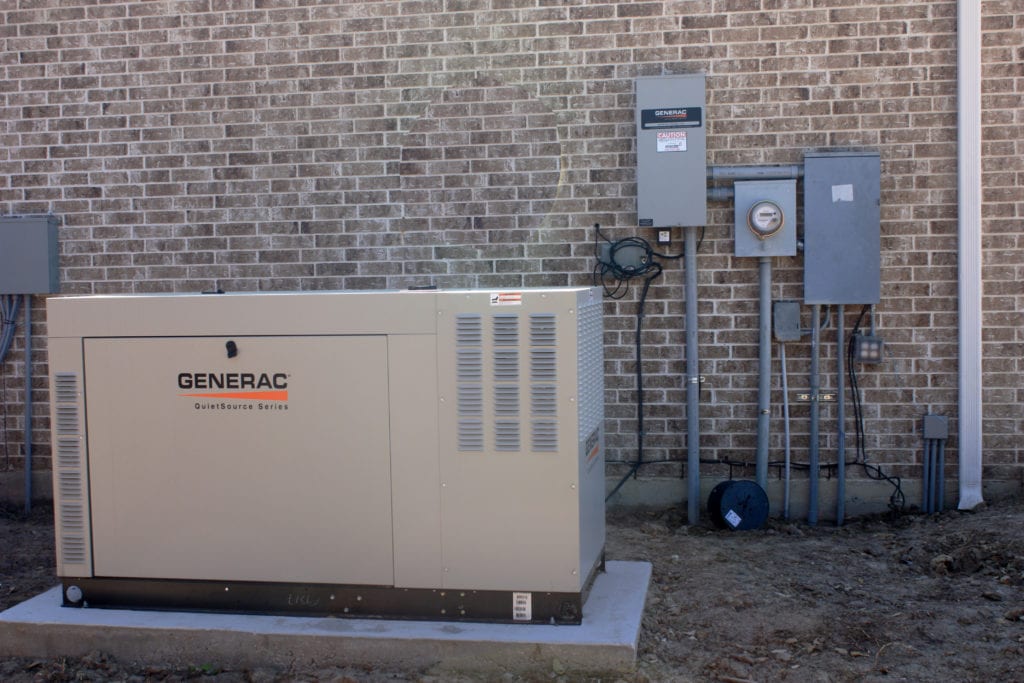
Standby generators are typically installed in one of three areas.
1. Side of the House
This is the most common location.
Benefits:
- Easy access to the electrical panel
- Shorter gas line runs.
- Simple generator maintenance access
It also keeps the unit out of the direct backyard living space.
2. Backyard Installation
Backyard placement can reduce street visibility and noise impact.
However:
- Utility lines may require longer trenching.
- Flood-prone areas may need elevation adjustments.
Always evaluate drainage before choosing this option.
3. Near Gas and Electrical Lines
The closer the unit is to gas and electrical connections, the lower the installation cost.
Shorter conduit and fuel runs:
- Improve efficiency
- Reduce material cost
- Minimize voltage drop
Professional installers often optimize the location based on proximity to utilities.
Can You Use a Generator Cover?
Yes, but only ventilated, open-sided generator tents designed specifically for operation.
Never wrap or enclose a running generator. Heat and exhaust must escape freely.
Local Codes and Manufacturer Requirements
Every city has its own rules. You may need:
- A building permit
- Electrical permit
- Gas permit
- Inspection approval
Noise Considerations
Most residential standby generators operate at 60-70 decibels during normal operation.
To reduce noise impact:
- Install away from bedroom windows.
- Avoid placing near shared property lines.
- Use natural sound buffers like fencing (while maintaining clearance)
Placement affects how noise travels across your property.
Storm and Flood Zone Placement Tips
In hurricane-prone or flood-prone areas:
- Elevate generators above the base flood elevation if required.
- Avoid low points where water collects.
- Ensure pad stability in high winds.
Improper elevation can damage the system during severe weather when you need it most.
How to Choose the Best Location for Your Home

The right generator placement should consider:
- Your overall property layout and available space
- Proximity to the electrical panel
- Distance to the gas meter or fuel source
- Natural drainage patterns to prevent water pooling
- Local building codes and setback requirements
- Easy access for routine maintenance and servicing
The ideal location balances safety, efficiency, installation cost, and long-term accessibility.
Final Thoughts
Choosing the right location for your generator is a decision that affects safety, compliance, performance, and long-term reliability. Proper clearance, ventilation, elevation, and code adherence are not optional.
They protect your household from carbon monoxide exposure, prevent fire risks, reduce noise impact, and ensure your system passes inspection without delays. Whether you’re installing a portable unit for temporary outages or a permanent standby system, placement should be carefully evaluated based on your property layout, utility access, and local regulations.
If you’re located in South Florida and want expert guidance, Generator Supercenter of Broward provides professional site assessments and code-compliant installations to ensure your generator is positioned correctly from day one. Contact us now!