
Home standby generator clearance requirements help keep the generator safe, accessible, and able to run properly. In general, placement must account for exhaust, airflow, windows, doors, vents, walls, landscaping, service access, and local code requirements.
Exact clearance rules can vary by generator model, manufacturer instructions, fuel type, and municipality. A qualified generator professional can confirm what applies to your home before installation.
Why Clearance Matters
A home standby generator is installed outside and runs automatically when utility power goes out. Because it produces exhaust and heat, it needs enough open space around it.
Proper clearance helps with:
- Safe exhaust direction
- Cooling and airflow
- Service access
- Fire safety
- Noise control
- Code compliance
- Long-term generator performance
Poor placement can lead to blocked airflow, overheating, exhaust concerns, inspection issues, or difficult maintenance access.
Clearance From Windows, Doors, and Vents
Generators should not be installed too close to openings where exhaust could enter the home. This includes windows, doors, vents, crawl space openings, window wells, and other wall openings.
Generac’s home standby generator clearance requirements note that many installations require 5 feet of clearance from wall openings such as operable windows, doors, and vents.
This is one of the most important placement rules because generator exhaust contains carbon monoxide. Carbon monoxide is dangerous and should never be allowed to collect near living spaces.
Clearance From Walls
A standby generator also needs proper distance from the home or other walls. Clearance from walls can depend on whether the wall is combustible or non-combustible, the generator model, and manufacturer testing.
Generac also explains that some tested units may allow 18 inches of clearance from the back of the generator to a stationary wall or building, depending on the model and installation conditions.
This does not mean every generator can be placed 18 inches from every wall. The installer must follow the product manual, local code, and inspection requirements.
Clearance Above the Generator
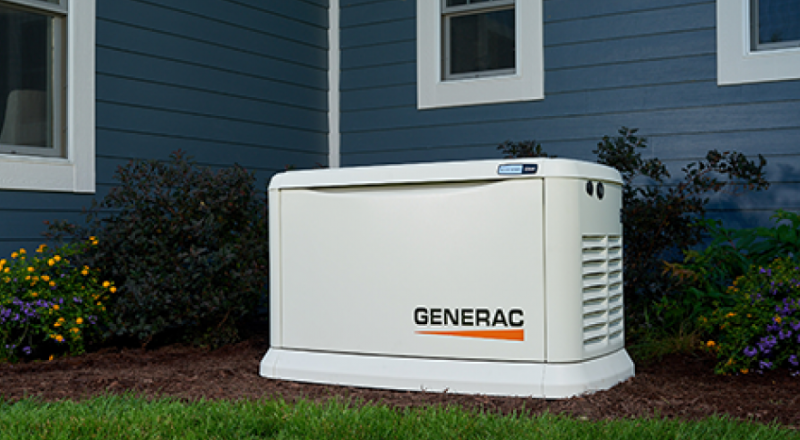
A standby generator needs open space above the unit for heat, airflow, and exhaust movement. It should not be placed under low decks, enclosed patios, awnings, or structures that trap heat and fumes.
Generac’s guidance also notes that many installations require 5 feet of clearance above the generator.
If the unit is placed in a tight side yard or near a covered area, a professional should confirm whether the location is safe and compliant.
Clearance Around the Sides and Front
The sides and front of the generator need space for airflow and service access. Technicians must be able to open panels, inspect components, change oil, replace parts, and work safely around the unit.
Keep the area around the generator clear of:
- Shrubs
- Fences
- Storage bins
- Patio furniture
- Leaves
- Mulch buildup
- Lawn equipment
- Decorative screens
Landscaping should not block vents or reduce access to the unit. Even if the generator looks better hidden, it still needs room to breathe and be serviced.
Clearance From Property Lines
Property line requirements may vary by municipality, HOA rules, easements, and local code. Some cities may have specific setback requirements for permanent outdoor equipment.
Before choosing a final location, the property layout should be reviewed carefully. A generator professional can help determine whether the planned location may create spacing or inspection concerns.
If you are still choosing a location, this guide on where to place a generator can help explain common placement factors.
Clearance From Gas Meters and Fuel Sources
Home standby generators often run on natural gas or propane. The unit’s location must allow safe fuel line routing and proper spacing from gas meters, regulators, propane tanks, and other fuel-related equipment.
Fuel-related clearance requirements can vary depending on the fuel type, equipment layout, local utility rules, and code requirements.
For homeowners comparing fuel options, this article on what a Generac generator runs on explains common generator fuel types.
Clearance for Transfer Switches and Electrical Equipment
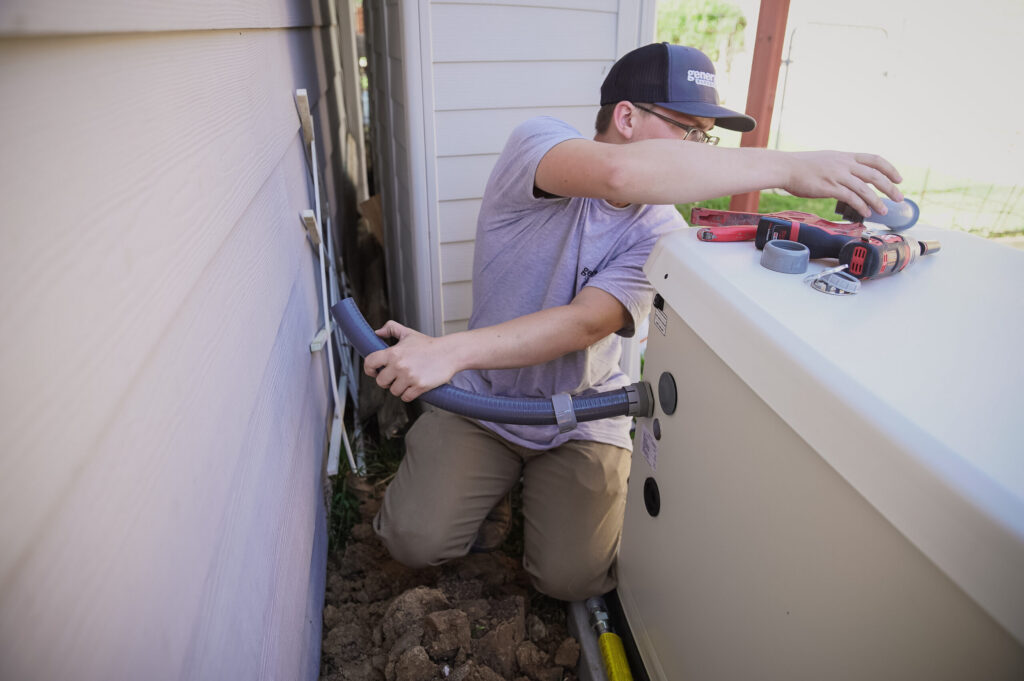
The generator is only one part of the system. The transfer switch, electrical panel, wiring route, grounding, and fuel connection also affect the installation plan.
A transfer switch safely manages power between utility service and generator power. This guide on generators and transfer switches explains why this component matters in a standby generator setup.
The generator location should make sense for both the fuel connection and electrical connection. A spot that looks convenient outside may not be ideal once wiring, gas lines, and service access are reviewed.
Clearance and Noise
Clearance can also affect how noticeable the generator sounds when it runs. A unit placed near bedroom windows, patios, neighbors, or narrow side yards may seem louder than expected.
Sound levels can vary by model, load, placement, surrounding walls, and distance from the home. If noise is a concern, this guide on which generators are the quietest may help homeowners understand what affects generator sound.
Clearance Mistakes to Avoid
Common generator clearance mistakes include:
- Placing the generator too close to a window
- Installing it under a low roof or deck
- Blocking the unit with shrubs or fencing
- Placing it where water collects
- Ignoring access for maintenance
- Choosing a spot before reviewing gas and electrical routes
- Assuming all generator models have the same clearance rules
These mistakes can delay installation, cause failed inspections, or create safety concerns.
When to Call a Professional
You should call a generator professional before choosing the final location for a home standby generator. Clearance requirements are too important to guess.
Professional help is especially important if:
- The side yard is narrow
- The home has many windows or vents
- The generator may sit near a fence or wall
- The property has HOA restrictions
- The unit may be near gas meters or propane equipment
- The area has drainage or flooding concerns
- You are replacing an older generator
- You are unsure about local inspection requirements
A professional standby generator installation review can help confirm the right location before equipment is placed.
Final Thoughts
Home standby generator clearance requirements are meant to protect your home, support safe operation, and keep the unit accessible for service. The right location should consider exhaust, airflow, windows, doors, vents, walls, fuel connections, electrical routing, and local code requirements.
Because clearance rules can vary by model and municipality, it is best to have the installation reviewed by a qualified professional. For help planning a safe standby generator installation, contact Generator Supercenter of Broward.
FAQs
How far should a standby generator be from a window?
Many home standby generator installations require at least 5 feet of clearance from operable windows, doors, vents, and other wall openings. The exact requirement should be confirmed using the generator manual and local code.
Can a standby generator be installed next to a wall?
Some generators may be installed near a wall if the model has been tested and approved for that clearance. However, the allowed distance depends on the generator model, wall type, manufacturer instructions, and local requirements.
Can plants or fences be near a generator?
Plants, fences, and screens should not block airflow, exhaust, or service access. The area around the generator should stay clear enough for safe operation and maintenance.
Can a generator be installed under a deck?
Usually, a standby generator should not be installed under a deck or enclosed structure where heat and exhaust can collect. A professional should confirm whether any covered location is allowed.
Who confirms generator clearance requirements?
A qualified generator installer, electrician, local inspector, or permitting office can help confirm clearance requirements. The final placement should follow the manufacturer’s instructions and local code.