

A generator site assessment helps determine where a standby generator can be safely installed and what your home needs before installation begins. It usually reviews placement, clearance, fuel supply, electrical setup, drainage, access, permits, and the systems you want powered during an outage.
This step matters because every home is different. A qualified generator professional can confirm what applies to your property, generator model, fuel type, and local requirements.
What Is a Generator Site Assessment?
A generator site assessment is a pre-installation review of your home and property. The goal is to decide whether a standby generator can be installed safely, where it should go, and what work may be needed.
During the assessment, a professional may look at your electrical panel, gas meter or propane setup, outdoor space, windows, doors, vents, property lines, landscaping, drainage, and access for service.
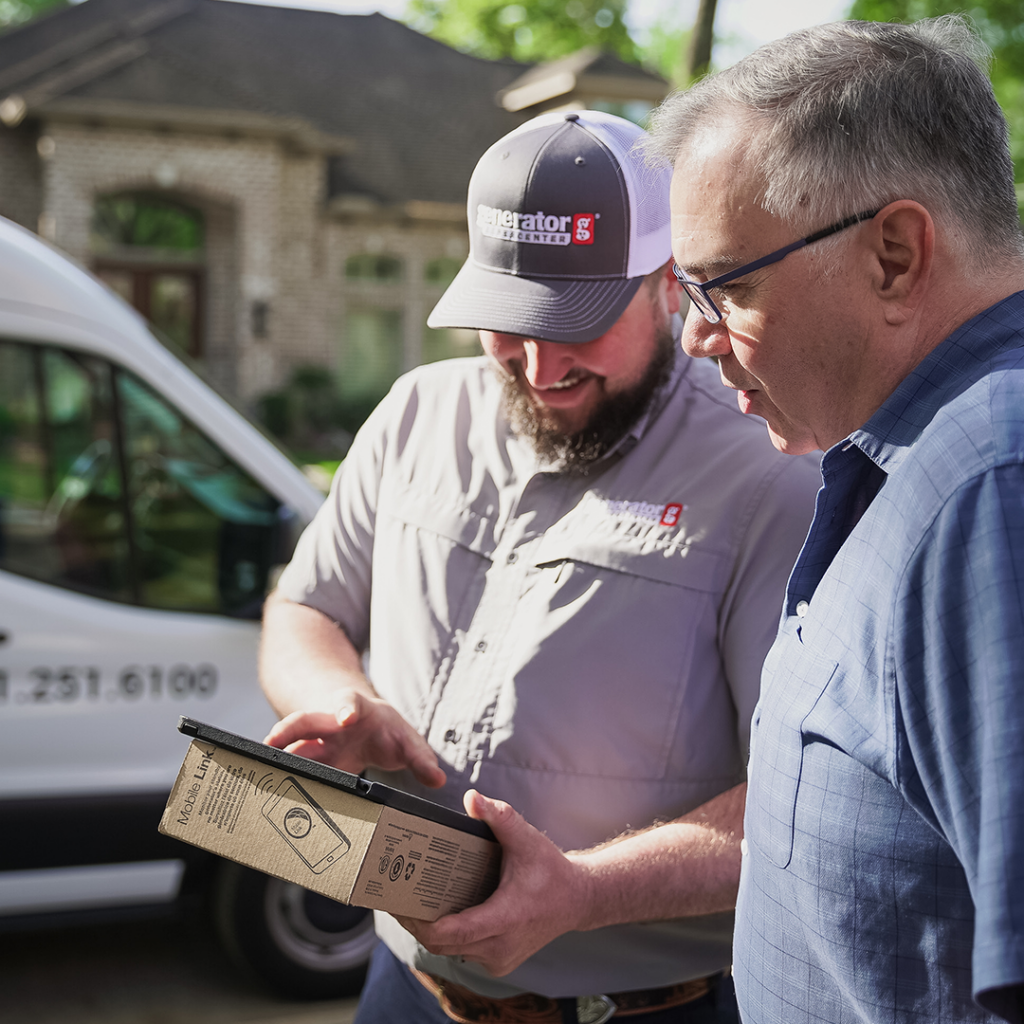
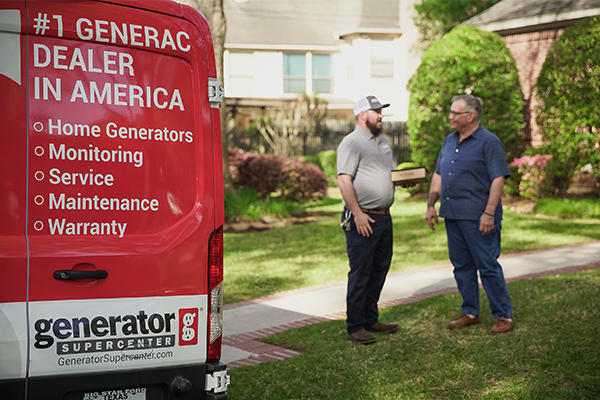
Generac explains that during an in-home consultation, a dealer can help choose the best location for installing a standby generator. Its backup generator installation guide also notes that location is part of the planning process before installation.
Why the Assessment Matters
A standby generator is not a plug-in appliance. It is a permanent system that connects to your home’s electrical system and fuel source.
A site assessment helps avoid problems such as:
- Poor generator placement
- Blocked airflow
- Exhaust too close to openings
- Insufficient service access
- Undersized fuel supply
- Difficult electrical routing
- Drainage concerns
- Permit or inspection delays
If you are still learning how these systems work, this guide on what is a home standby generator explains the basics of standby backup power.
Reviewing Generator Placement
One of the most important parts of a generator site assessment is choosing the right location. The generator needs enough space for airflow, exhaust, maintenance, and safe operation.
Placement may depend on:
- Distance from windows and doors
- Distance from vents and soffits
- Distance from walls or fences
- Property line setbacks
- Access for technicians
- Distance from the electrical panel
- Distance from the fuel source
- Drainage and flood risk
- Noise concerns
If you are deciding where the unit might go, this guide on where to place a generator explains the common placement factors homeowners should consider.
Checking Clearance Requirements
Clearance requirements help keep the generator safe and accessible. Exact requirements can vary by generator model, manufacturer instructions, wall type, and local code.
Generac’s home standby generator clearance guidance notes that many installations require clearance from openings such as windows, doors, and vents, along with space around and above the generator.
This is why a site assessment should happen before choosing the final location. A spot that looks convenient may not meet clearance, exhaust, airflow, or service access needs.
Reviewing Fuel Supply
A generator site assessment also reviews the fuel source. Many standby generators run on natural gas or propane, depending on the home and generator model.
For natural gas, the assessment may include the gas meter location, pipe distance, pipe sizing, fuel pressure, and other gas appliances. For propane, it may involve tank location, tank size, line routing, and local requirements.
If you are comparing options, this article on gas vs propane generators explains key differences between the two fuel types.
Reviewing Electrical Needs
The generator must connect safely to your home’s electrical system. During a site assessment, a professional may review the electrical panel, transfer switch location, service capacity, and the circuits or systems you want backed up.
A transfer switch is essential because it manages the shift between utility power and generator power. This guide on generators and transfer switches explains why this component matters.
Electrical requirements may vary depending on the home’s layout, generator size, panel condition, and installation scope.
Deciding What You Want Powered
A site assessment is also the time to discuss what you want the generator to support during an outage. Some homeowners want essential systems only, while others want broader whole-home backup.
Common backup priorities include:
- Air conditioning
- Refrigerator and freezer
- Lights
- Internet and Wi-Fi
- Security system
- Garage door opener
- Medical equipment
- Kitchen appliances
- Water heater
- Pool equipment
- Home office equipment
The more systems you want powered, the more carefully the generator size and load management setup need to be reviewed.
Reviewing Drainage and Flood Risk
The generator should not be placed where water collects. Drainage, grading, roof runoff, sprinklers, and low-lying areas can all affect the best location.
If a home is in a flood-prone area, the assessment may need to consider elevation, pad height, and local requirements. This guide on a generator in flood zone explains why placement and drainage can matter.
A qualified professional can confirm whether special placement or elevation considerations apply to your home.
Considering Noise and Neighboring Areas
Generator sound can vary by model, load, placement, and nearby structures. During the assessment, the installer may consider bedroom windows, patios, neighboring homes, fences, and narrow side yards.
If noise is a concern, this guide on which generators are the quietest explains what affects standby generator sound.
The goal is to choose a location that supports safe operation while also being practical for daily living.
Reviewing Permits and Local Requirements
A generator site assessment may also help identify permit and inspection needs. Standby generator installation can involve electrical work, fuel connections, concrete or pad placement, transfer switch installation, and local code review.
Requirements may vary by municipality, project scope, and property conditions. A professional installer can help confirm what applies before work begins.
What Happens After the Assessment?
After the generator site assessment, the installer may recommend a generator size, installation location, fuel setup, transfer switch plan, and next steps for permitting or scheduling.
You may also receive guidance on:
- Whether the selected location works
- Whether gas line upgrades may be needed
- Whether load management is recommended
- Whether the electrical panel needs review
- Whether drainage or clearance issues exist
- What installation steps are likely involved
For a broader look at the full process, this standby generator installation complete guide can help explain what happens before and during installation.
When to Call a Professional
You should call a generator professional before purchasing or placing a standby generator. A site assessment helps prevent mistakes that may be difficult or expensive to fix later.
Professional help is especially important if:
- You want whole-home backup
- You have limited outdoor space
- The generator may be near windows or vents
- The gas meter is far from the ideal generator location
- You have propane instead of natural gas
- Your electrical panel is older
- Your yard has drainage issues
- Your property may have flood-zone concerns
- You are unsure what size generator you need
A qualified professional can review the full setup and help determine the safest and most practical installation plan.
Final Thoughts
A generator site assessment helps confirm where a standby generator should go and what your home needs before installation. It reviews placement, clearance, fuel supply, electrical connections, drainage, load priorities, permits, and service access.
Because every home is different, the best generator plan should be based on your actual property conditions. For help scheduling a generator site assessment, contact Generator Supercenter of Broward for professional guidance.
FAQs
Do I need a site assessment before installing a generator?
Yes, a site assessment is strongly recommended before installing a standby generator. It helps confirm safe placement, fuel needs, electrical requirements, and possible permit concerns.
What does a generator installer check during a site assessment?
An installer may check the electrical panel, fuel source, generator location, clearance, drainage, service access, property layout, and what you want powered during an outage.
Can I choose the generator location myself?
You can suggest a preferred location, but the final location should be reviewed by a professional. Clearance, exhaust, fuel routing, electrical access, and local requirements may affect where the generator can go.
How long does a generator site assessment take?
The time can vary depending on the property, electrical setup, fuel source, and project scope. Larger or more complex homes may require a more detailed review.