

 Showroom
 Your Home
 Install & Service
 Products
 Why Buy A Generator
 About Us
 Generator Maintenance
 Locations
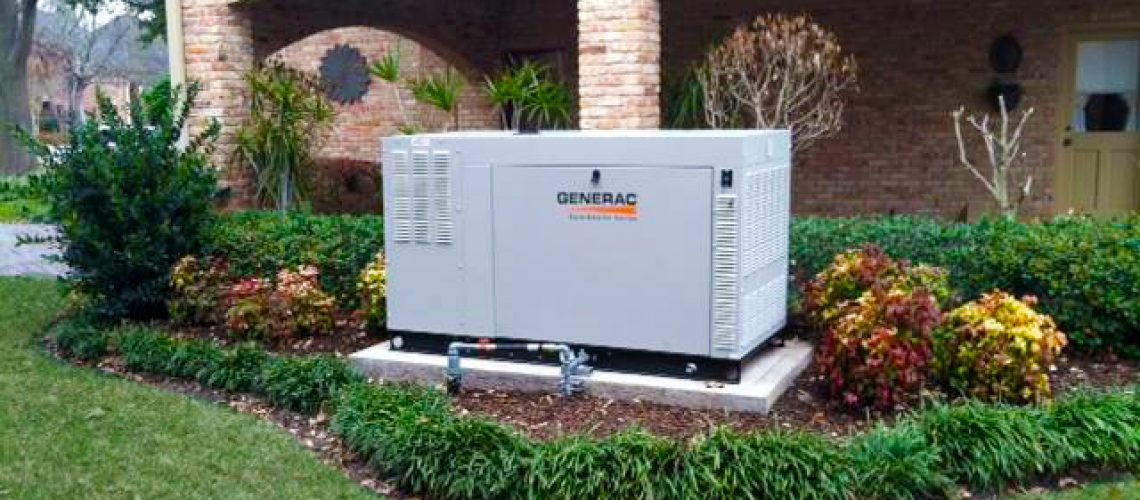
A generator that keeps shutting off is usually responding to a mechanical or safety issue rather than failing at random. In many cases, the cause is low oil levels, restricted fuel flow, or an overloaded circuit triggering automatic shutdown protections.
Immediate checks should include verifying oil levels, confirming the fuel valve is fully open, cleaning or replacing dirty air filters, and disconnecting high-draw appliances to reduce the load. If the generator starts, runs briefly, then shuts off again, the problem often points to a clogged carburetor or fuel line that prevents consistent fuel delivery.
Addressing these basics early can prevent repeated shutdowns and help restore stable operation quickly.
Common Reasons a Generator Shuts Off

Low Fuel Supply or Fuel Delivery Issues
Fuel-related problems are among the most common reasons a generator shuts off unexpectedly. An empty or partially filled fuel tank can cause inconsistent combustion, while interruptions in natural gas supply may prevent steady operation.
In other cases, clogged fuel lines, blocked filters, or faulty regulators restrict fuel flow, causing the engine to stall shortly after startup. Even minor obstructions can lead to repeated shutdowns if fuel delivery is not smooth and continuous.
Overloading the Generator
Generators are engineered to operate within a specific power range, and exceeding that limit often results in automatic shutdown. Running too many appliances at once or starting high-demand equipment simultaneously can overwhelm the system.
Sudden load spikes during startup are especially problematic for undersized generators, forcing protective circuits to cut power. Improper generator sizing causes this issue to recur, as the unit is consistently pushed beyond its designed capacity.
Low Oil Level or Oil Pressure Problems
Low oil levels trigger immediate shutdowns in most modern generators to protect the engine frominternal damage. Built-in oil sensors continuously monitor pressure, and even slight drops can trigger safety protocols.
Oil leaks, skipped maintenance, or degraded oil quality can all interfere with proper lubrication. Without adequate oil flow, internal components generate excessive friction, making shutdown unavoidable until the issue is corrected.
Overheating
Overheating occurs when the generator cannot properly regulate engine temperature. This may be caused by blocked airflow, debris buildup inside the enclosure, or malfunctioning cooling fans or radiators.
High ambient temperatures and poor ventilation can worsen the problem, especially during extended run times. To prevent permanent damage, generators automatically shut down once temperature thresholds are exceeded.
Battery or Electrical System Failure
A weak or failing battery can prevent the generator from maintaining stable operation. Corroded terminals, loose wiring, or poor electrical connections disrupt voltage consistency, leading to unexpected shutdowns.
Charging system failures may also cause the battery to drain faster than it can be replenished. Without a reliable electrical foundation, even a mechanically sound generator can shut off repeatedly.
Faulty Sensors or Control Board Errors
Generators rely on sensors and control boards to monitor pressure, temperature, and voltage in real time. When these components malfunction, they may send incorrect signals that trigger shutdowns even when conditions appear normal.
Error codes or warning lights on the control panel often indicate sensor misreads, calibration issues, or software faults. These problems typically require diagnostic testing and, in some cases, professional servicing to resolve.
How to Troubleshoot a Generator That Keeps Shutting Off
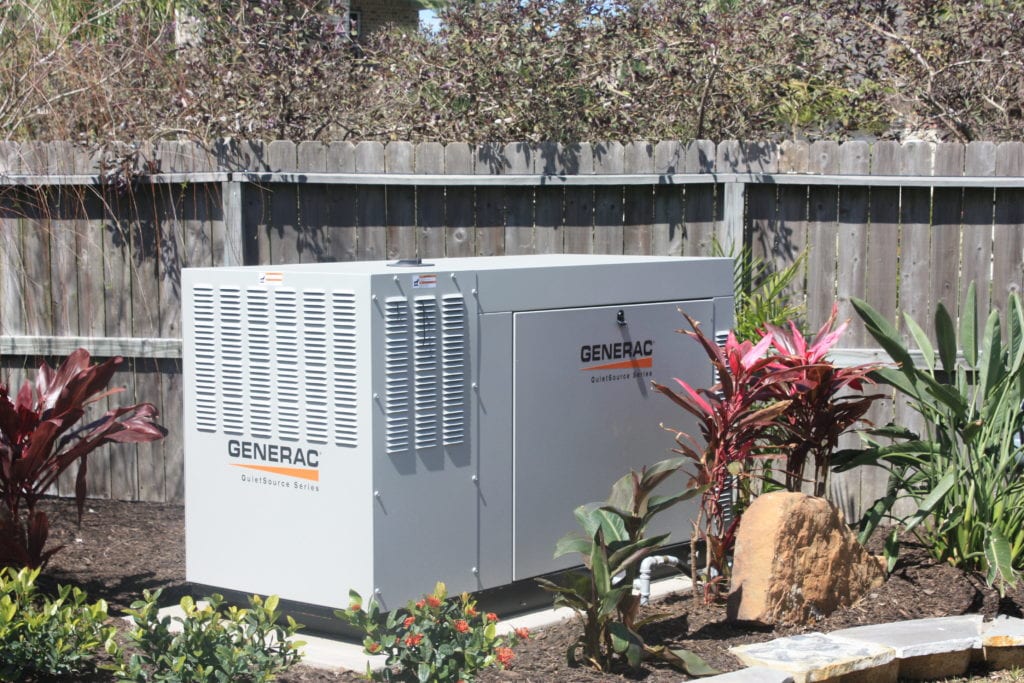
Step 1: Check the Control Panel – Identify active error codes or warning indicators
Step 2: Inspect Fuel and Oil Levels – Confirm proper supply and pressure
Step 3: Reduce Electrical Load – Test the generator under lighter demand
Step 4: Inspect for Overheating or Airflow Issues – Clear debris and confirm ventilation
Step 5: Reset and Test – Safe reset procedures and monitoring during restart
When to Call a Professional to Prevent Future Generator Shutdowns
While basic checks can resolve minor generator issues, repeated or unexplained shutdowns are a clear sign that professional support is needed. If the generator continues to shut off after verifying oil levels, fuel supply, airflow, and electrical load, the problem is likely internal, such as failing sensors, control board errors, fuel system restrictions, or deeper engine faults.
These issues require diagnostic tools, technical calibration, and manufacturer-specific expertise that go beyond routine homeowner maintenance.Calling a certified technician early helps prevent small problems from escalating into costly failures or extended power loss.
Working with a trained technician and repair services ensures the system is inspected, repaired, and tested in accordance with manufacturer standards. Professional servicing not only restores reliable operation but also extends the generator’s lifespan, protects warranty coverage, and reduces the risk of shutdowns during critical outages.
Final Thoughts
A generator that keeps shutting off is often protecting itself and your home. Understanding the cause is the first step toward restoring reliable, uninterrupted power.
With proper diagnosis, maintenance, and support, shutdowns can be resolved before the next outage arrives. Learn more generator tips at Generator Supercenter of Broward.