
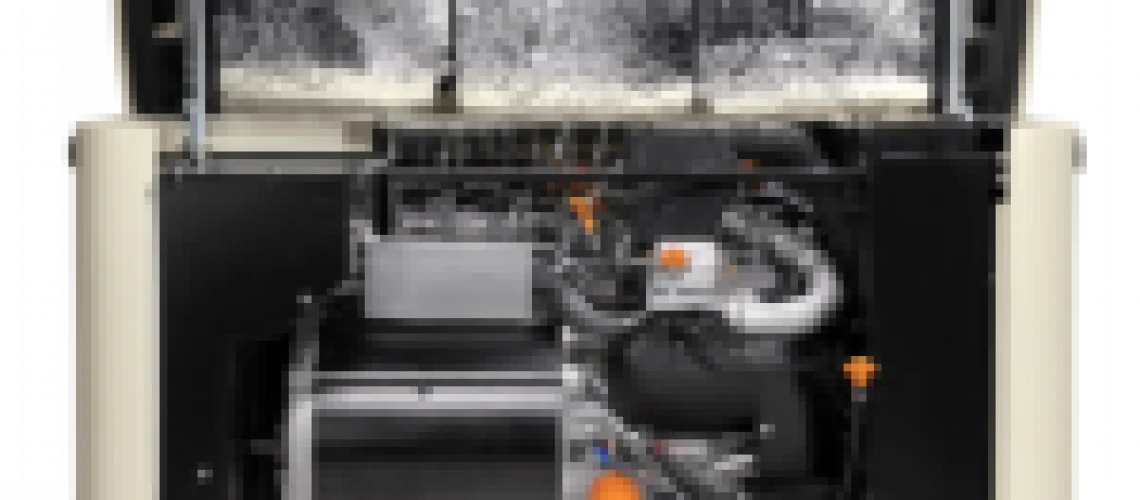
Like many mechanical devices, generators require a “breaking in” period – sometimes called mechanical run-in.
Breaking in typically occurs within a few hours of use. In an engine, it involves adjusting the contact between the piston rings and the engine’s cylinder wall. After manufacturing, the cylinder wall is not perfectly smooth – there is still some residual roughness to facilitate oil adhesion. During first-time startup, the piston rings (between the piston and the cylinder) begin to seal against the small ridges in the cylinder wall. Breaking in involves smoothing these out in a process of “self-machining,” allowing the engine to run optimally.
Fortunately, most generator engine manufacturers perform mechanical run-ins as part of their production process. Therefore, consumers do not usually have to concern themselves with optimal piston functioning.
However, there are certain actions that you will need to perform to ensure that your generator performs optimally from the get-go. In this post, we offer some tips to help you.
(Please note that the following advice is necessarily generic. You will need to consult your generator’s specific instruction manual first. If you are struggling, you can get advice from Generator Supercenter about generator setup and maintenance at any time).
What Does It Mean to Break In a Generator?
The break-in period is the early stage of operation when a generator begins settling into normal use. During this period, proper lubrication, regular checks, and timely maintenance matter most.
For homeowners, the important takeaway is simple: do not guess. Use the correct oil, follow the startup and maintenance guidance in the manual, and keep track of the unit’s early runtime so the first service is not missed.
1. Use the Correct Oil and Verify the Oil Level
A generator needs the proper oil to lubricate internal engine parts and support normal operation. Before startup, make sure the oil type matches the manufacturer’s recommendation and that the oil level is correct.
Starting a generator with the wrong oil or with low oil can affect performance and increase wear. This is one of the easiest things to get right, and one of the most important.
2. Follow the Owner’s Manual From the Start
Not all generators have the same break-in requirements. Oil type, service intervals, and startup recommendations can vary by model.
That is why the owner’s manual should be your first reference point. If the manual gives specific instructions for first-time startup, oil changes, or inspections, follow those steps instead of relying on general advice meant for other types of generators.
3. Keep Track of Early Runtime
A new generator should not be treated like a set-it-and-forget-it system right away. The first stretch of runtime is important because it determines when the first maintenance service is due.
Keep track of operating hours, especially after installation, exercise cycles, or any early outage use. Missing that first service window can put unnecessary stress on the system.
4. Do the First Oil and Filter Change on Time
One of the most important parts of breaking in a generator is completing the first oil and filter change at the correct interval.
Early oil changes help remove contaminants that can build up during the initial operating period. This is a key part of protecting long-term reliability and keeping the generator ready for the next outage.
If you are not sure when that first service is due, check the manual or have a qualified technician confirm it for you.
5. Check for Dirt, Debris, and Visible Issues
A new generator should also be inspected for anything that could affect performance after delivery, installation, or early use.
Look for:
- dirt or debris around the unit
- visible fluid leaks
- warning lights or fault messages
- anything blocking airflow around the enclosure
Keeping the generator clean and clear helps support safe operation and makes it easier to spot small issues before they become larger ones.
6. Use the Recommended Fuel and Stay Consistent
Fuel quality matters. Use the fuel type recommended for your generator and avoid making assumptions based on other engines or equipment around the house.
Using the correct fuel and keeping the system properly maintained helps support smoother operation, especially during the early life of the unit.
7. Stay on Top of Ongoing Maintenance
Breaking in a generator is only the beginning. Long-term reliability depends on regular service after the initial maintenance period is complete.
That includes:
- routine oil and filter service
- battery checks
- inspections for leaks or wear
- monitoring runtime and alerts
- addressing issues before they lead to a breakdown
A generator that is maintained consistently is far more likely to perform when the power goes out.
How a Generator Maintenance Program Can Help
A generator maintenance program helps take the guesswork out of ownership.
At Generator Supercenter of Broward, we offer generator monitoring and maintenance support to help homeowners stay ahead of problems. With GenMonitor, your generator can be tracked remotely so service needs and alerts can be addressed earlier.
That helps by:
- identifying issues before they become serious
- supporting faster service response
- reducing the chances of unexpected downtime
- giving you more confidence that your generator is ready when needed
Protect Your Generator From Day One
Breaking in a new generator the right way helps support stronger performance, fewer early issues, and better long-term reliability.
The most important steps are simple: follow the manual, use the correct oil, keep track of runtime, and do the first maintenance service on time. If you want extra peace of mind, a generator maintenance and monitoring plan can help keep everything on schedule.
If you need help with generator setup, service, or long-term maintenance, Generator Supercenter of Broward is here to help.
Frequently Asked Questions
Do all generators need a break-in period?
Most generators have an early operating period where proper oil, inspections, and first maintenance matter. The exact requirements depend on the model.
When should the first oil change happen on a new generator?
The timing depends on the manufacturer and the model. Always check the owner’s manual for the correct interval.
Can regular maintenance help a generator last longer?
Yes. Routine maintenance helps catch issues early, supports better performance, and reduces the chance of preventable breakdowns.