
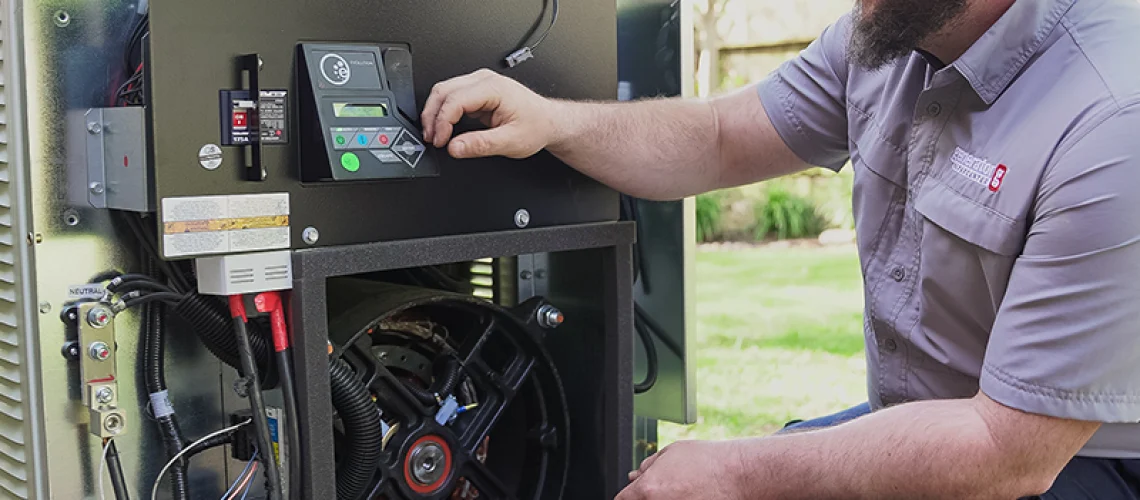
Oil changes are one of the most important parts of generator maintenance. Clean oil keeps the engine lubricated, reduces friction, and helps control heat. When oil becomes dirty or breaks down, internal components wear faster. That can lead to overheating, reduced performance, or complete engine failure during a power outage.
If you rely on backup power during hurricane season, staying on schedule with oil service is critical.
Why Generator Oil Changes Matter
Generators operate under heavy load, especially during extended outages. Over time, oil collects dirt, metal particles, and combustion residue. As oil degrades, it loses its ability to protect engine components.
Old oil increases friction. Increased friction creates heat. Excess heat shortens engine life and raises the risk of sudden breakdown. A simple oil change protects your generator from expensive repair and premature replacement.
How Often Should You Change Oil in a Standby Generator?

A standby generator requires its first oil change after approximately 20 to 30 hours of operation, known as the break-in period. After that, most manufacturers advise replacing the oil every 100 to 200 hours of use or at least once annually, whichever occurs first.
Even if your whole house generator rarely runs during the year, annual maintenance is still necessary. Standby generators perform weekly or biweekly self-tests, and internal components still age over time. Oil can degrade due to heat cycles, humidity, and environmental exposure, especially in Florida’s climate.
If your generator operates for extended periods during hurricane season, check oil levels daily while it is running. Long outages place a continuous load on the engine, which can accelerate oil breakdown. In those cases, an additional oil change may be required before the next scheduled service interval.
Following the correct oil change schedule protects the engine, improves performance, and reduces the risk of unexpected generator repair. For homeowners who rely on automatic backup power, routine standby generator maintenance ensures the system is ready the moment utility power fails.
What Factors Can Increase Oil Change Frequency?
Extended Power Outages
When a standby generator runs for several consecutive days, the engine operates under continuous load. Prolonged runtime can cause oil to break down faster, potentially requiring an earlier oil change than the standard service interval.
High Outdoor Temperatures
Hot climates increase engine heat and accelerate oil degradation. In areas like Florida, extreme heat during hurricane season can shorten the lifespan of engine oil and demand more frequent maintenance.
Heavy Electrical Loads
Powering large appliances such as central air conditioning systems places additional strain on the engine. Higher load levels generate more heat, which reduces oil effectiveness over time.
Dust, Humidity, and Environmental Conditions
Dusty air and high humidity can affect engine performance and oil condition. Contaminants and moisture exposure may cause oil to lose its protective properties sooner than expected.
Aging Generator Components
Older standby generators may consume or degrade oil more quickly due to internal wear. As engines age, tighter maintenance schedules help prevent breakdowns and unexpected generator repair.
Signs Your Generator Oil Needs Attention
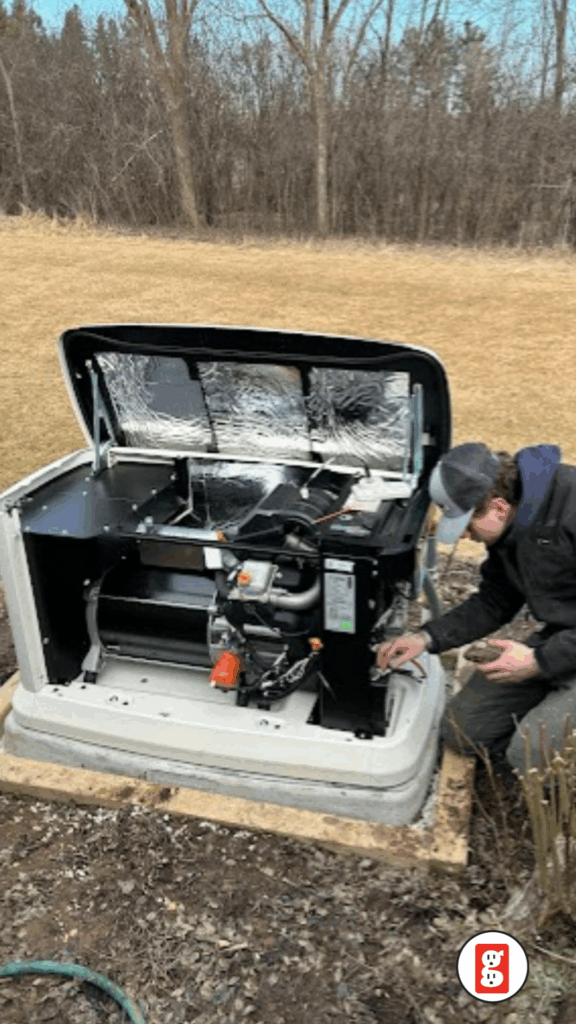
Watch for these warning signs that indicate your generator oil may need to be changed:
- Oil appears dark, thick, or gritty instead of clear amber.
- The low oil level warning light activates.
- The engine runs hotter than normal.
- Unusual knocking or louder engine noise
- Burnt oil smell during operation
- The generator shuts down unexpectedly.
Ignoring these signs can lead to internal engine damage and costly generator repair. Regularly checking the oil condition helps keep your standby generator ready for the next outage.
Can You Change Generator Oil Yourself?
Changing oil in a standby generator is more involved than servicing a portable unit. Because the system is permanently installed and connected to your home’s electrical panel and fuel line, safety precautions must be followed carefully. The generator must be completely shut down, allowed to cool, and properly isolated before any service begins.
While experienced homeowners may be able to perform a basic oil change, professional maintenance for a standby generator is strongly recommended. A qualified technician will not only replace the oil and filter but also inspect the battery, test the automatic transfer switch, check fuel connections, and perform load testing. This ensures the entire system is ready to operate reliably during the next power outage.
The Risk of Skipping Oil Changes
Skipping routine oil changes can lead to serious mechanical problems and unexpected generator failure. Over time, degraded oil loses its ability to lubricate and protect engine components, increasing internal wear.
Ignoring oil maintenance can result in:
- Sludge buildup inside the engine
- Increased friction and overheating
- Premature engine wear
- Reduced power output
- Sudden generator shutdown during an outage
- Expensive generator repair or full engine replacement
- Voided the manufacturer’s warranty
Routine oil service is a small investment compared to the cost of major standby generator repair or replacement.
Generally
Changing the oil in your standby generator on schedule is one of the simplest ways to protect your investment. Most units require service every 100 to 200 hours of runtime or at least once per year, with additional checks after extended outages. Clean oil keeps the engine cool, reduces internal wear, and ensures dependable startup when the power goes out.
If you rely on automatic backup power during hurricane season, do not wait for warning signs. Schedule professional maintenance before problems start. For expert generator maintenance, generator repair, and high-quality standby generator products, contact Generator Supercenter of Broward today. Their team provides reliable installation and service to keep your home powered and protected year-round.